Hiring today isn’t just about filling open roles – it’s about building a workforce that drives long-term growth. But with talent shortages, shifting candidate expectations, and rising hiring costs, even experienced HR professionals are struggling to keep up. This guide reveals 10 science-backed recruitment strategies to help you attract top talent in 2025 – smarter, faster, and with confidence.
Why Most Recruitment Strategies Fail Before the Interview Starts
Many companies treat hiring as a reaction, not a strategy. A role opens up, urgency kicks in, and HR scrambles to find someone—anyone—fast. But this reactive approach leads to rushed decisions, mismatched candidates, and long-term costs that quietly compound over time.
Instead, the most effective HR departments treat recruitment like any other business process: intentional, data-informed, and aligned with broader organizational goals. Implementing effective recruitment strategies is key to achieving these goals. That means setting clear recruitment goals, forecasting talent needs, and mapping out a hiring process that supports long-term growth—especially as your team scales beyond 50 employees.
Just like you wouldn’t launch a product without a go-to-market strategy, you shouldn’t post a job without a strategic hiring framework. That starts with mapping out and optimizing your recruiting process well before a single resume hits your inbox.
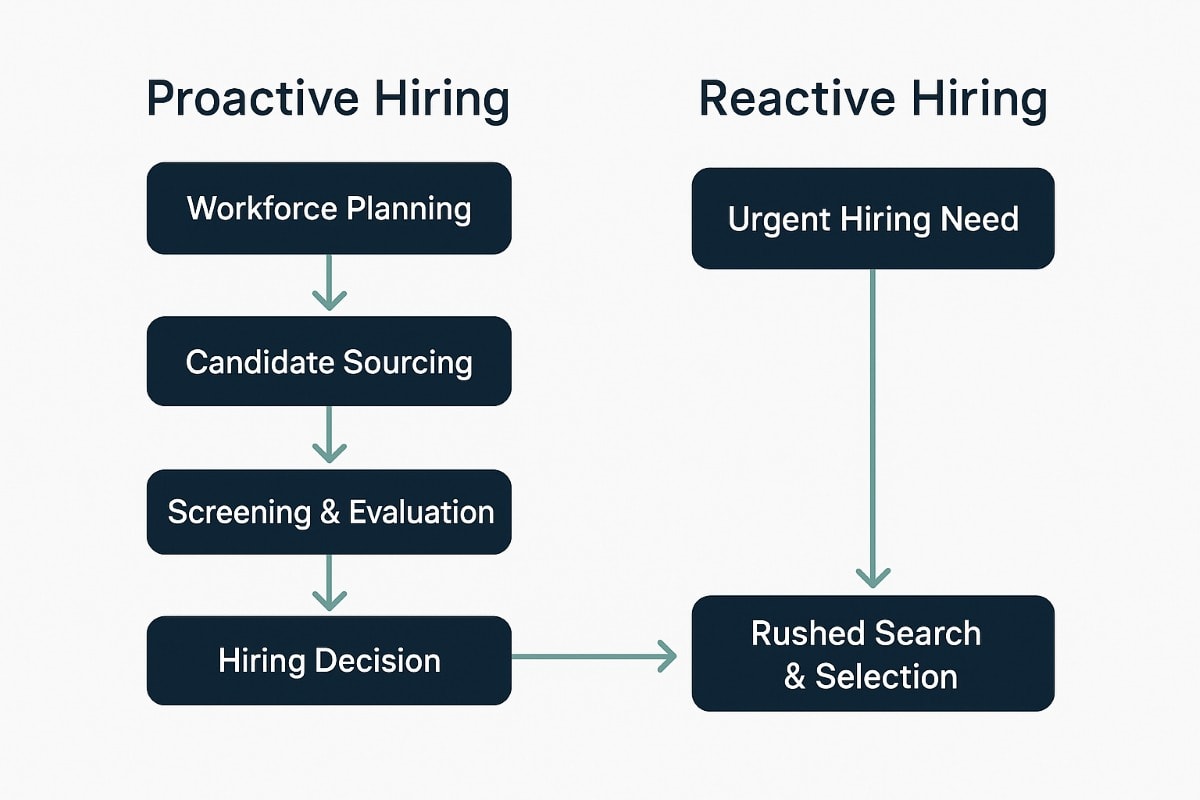
Adopting a talent acquisition mindset means taking a proactive, long-term approach to building your team, rather than simply filling open roles as they arise.
Talent Pool Building: The Foundation of Strategic Recruiting
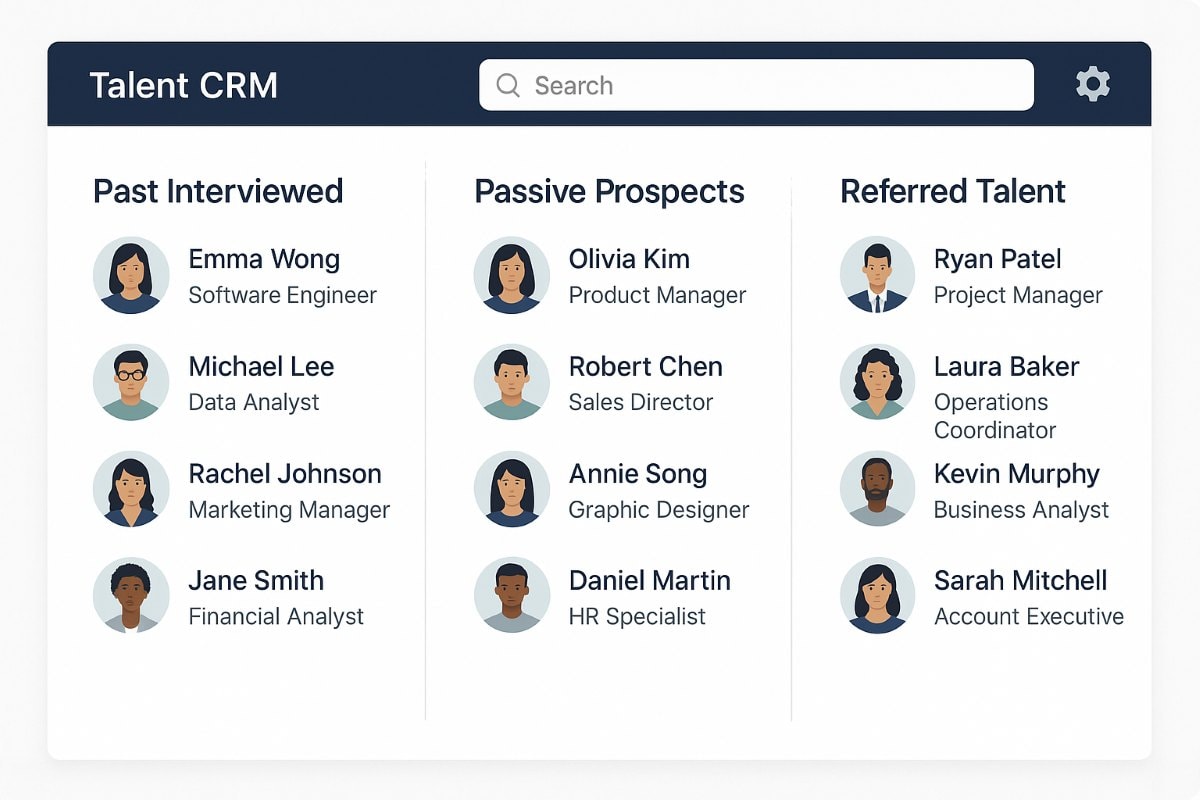
If you’re only looking for candidates when a job opens, you’re already behind. A strong recruitment strategy begins with building and nurturing a talent pool—a bench of qualified candidates who are already familiar with your brand and aligned with your values.
This includes past candidates, passive candidates, and even potential hires who aren’t actively job hunting but could be a perfect fit when the timing is right. Engage them early through content, outreach, and occasional check-ins. That way, when an opening arises, you’re not starting from scratch—you’re pulling from a warm pipeline. This proactive approach is known as building a talent pipeline, which is essential for strategic recruiting because it ensures you have engaged candidates ready for future job openings and helps reduce time-to-hire.
Modern applicant tracking systems (ATS) and talent CRM platforms make it easier to tag, sort, and stay in touch with your talent network. And the payoff? Faster hires, better fits, and a smoother experience for everyone involved.
How to Write Job Descriptions That Attract—and Align
A job description isn’t just a list of responsibilities—it’s a strategic tool. In many cases, it’s the first impression a potential candidate will have of your company. And in a market where top performers have options, generic listings won’t cut it.
Effective job descriptions go beyond qualifications. They offer clarity about day-to-day responsibilities, tie the role to your organization’s mission, and reflect the tone of your company culture. This gives candidates the context they need to see where they fit—and why the role matters.
Use clear, direct language and incorporate terms that candidates are actually searching for—especially the exact job title, must-have skills, and unique selling points of the position. And don’t forget the “why”: What impact does this role have? How will the person in it move the business forward?
Close with a compelling, action-oriented prompt—whether it’s “Apply Today” or “Be Part of Something Bigger.” A well-written job description doesn’t just attract more applicants—it attracts the right ones.
How to Turn Your Careers Page into a Magnet for Top Talent
A well-designed careers page isn’t just a branding exercise—it’s a core part of your recruitment strategy. For many job seekers, it’s their first deep dive into your culture, values, and mission. Done right, it can turn passive browsers into serious applicants who already feel aligned with your company before they hit “Apply.”
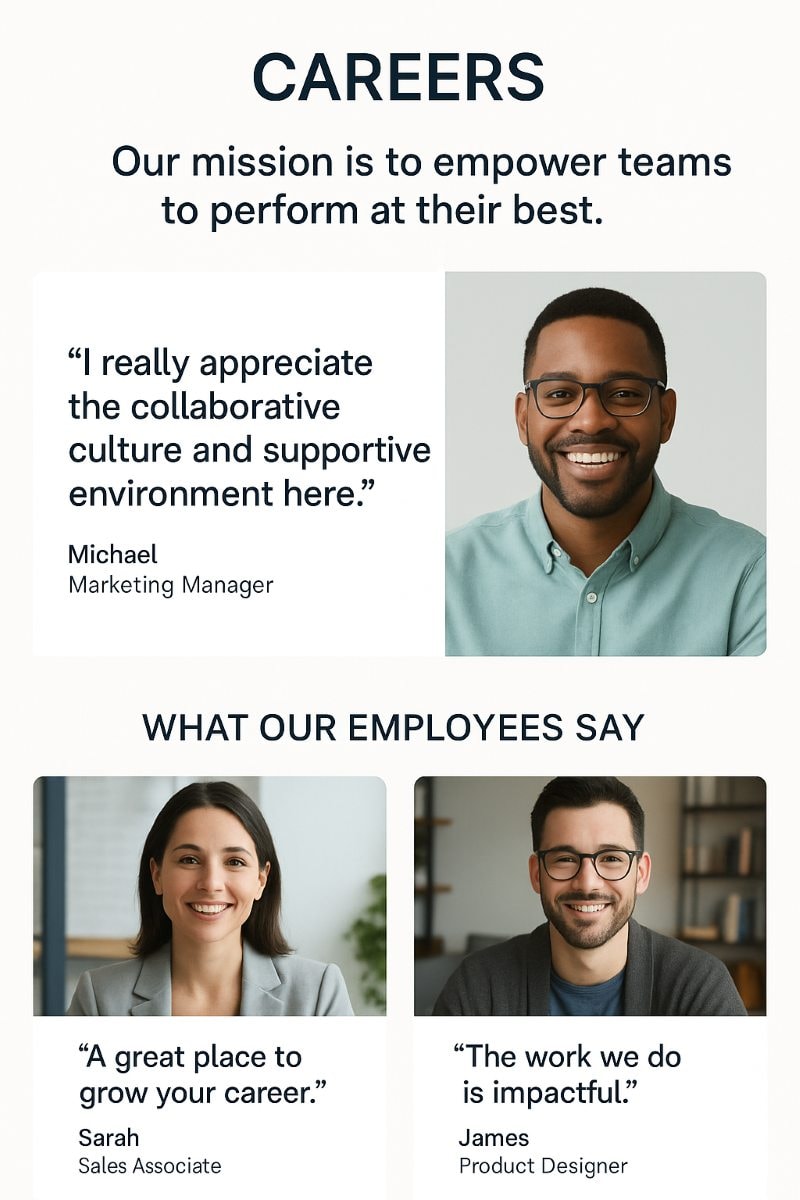
To make that happen, your careers page needs to be more than a list of job openings. Use high-quality visuals, team photos, and authentic employee testimonials to bring your work environment to life. Share what drives your company—and why that matters to the people who work there.
From a technical standpoint, ensure the site is intuitive and mobile-friendly, with clear navigation and job filters. A seamless application flow paired with concise, informative role descriptions reduces friction and helps candidates move forward confidently.
And don’t forget visibility. Optimize your page for search by including key terms like “career opportunities” and “open roles” so it ranks for the right searches and reaches more of your target talent.
When done well, your careers page becomes more than a destination—it becomes a conversion engine that draws in the kind of candidates who belong on your team.
How a Smart Employee Referral Program Can Boost Morale and Fill Roles Faster
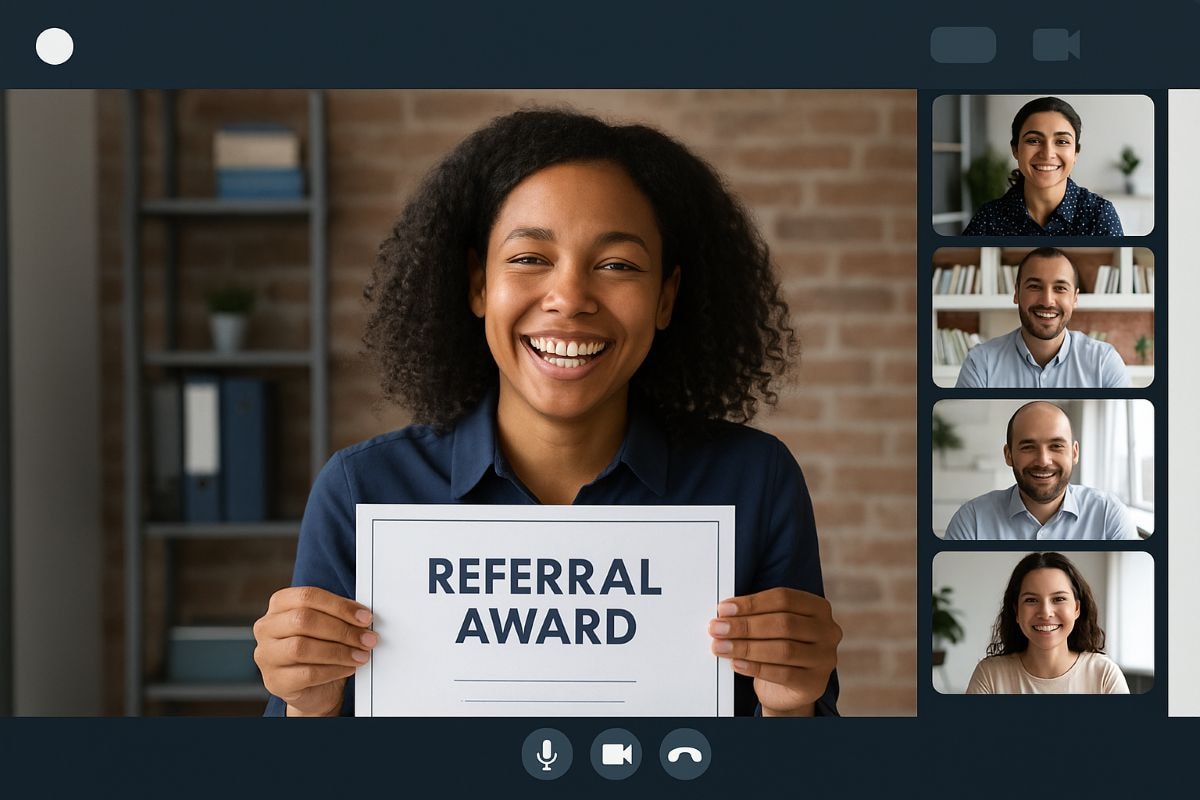
Your best recruiters are already on your payroll. A well-designed employee referral program taps into the networks of your current employees, giving you access to talent that already comes pre-vetted for culture fit and work ethic.
According to SHRM, referred candidates are more likely to be quality candidates—they’re faster to hire, easier to onboard, and more likely to stay long-term. But a referral program doesn’t run on autopilot. To work, it needs visibility, simplicity, and meaningful incentives. That could be a cash bonus, extra time off, or public recognition tied to successful hires.
And here’s the hidden benefit: a strong referral program doesn’t just fill roles—it boosts morale. Employees feel like co-architects of the team, and candidates arrive with a built-in connection to your company culture. High employee engagement increases the effectiveness of referral programs by motivating employees to actively advocate for the company and promote hiring opportunities.
Why Your Employer Brand Is Your Strongest Hiring Advantage
Top candidates don’t just apply for a job—they apply to a mission. And in 2025, a strong employer brand isn’t optional; it’s a competitive advantage. Employer branding is the process of building and maintaining a positive company image to attract and retain top talent. It helps you stand out in crowded job listings, attract diverse candidates, and shorten the hiring cycle.
Think of companies like Starbucks, where Howard Schultz made culture and employee experience central to the brand. Or Elon Musk’s Tesla, where the employer brand attracts candidates who crave high-performance environments. What these companies have in common? A clear story, visible values, and a magnetic reputation.
To elevate your brand, start with your careers page. Make it more than a list of open roles—turn it into a window into your company culture. Share team stories, testimonials, and a behind-the-scenes look at your day-to-day. Align your content with your organization’s mission, and candidates will self-select based on fit—before they even apply.
Investing in employer branding can also help reduce hiring costs by attracting more qualified candidates and improving retention.
How to Advertise Jobs Strategically Across the Right Channels
If you’re still using the same job boards and job postings for every role, you’re missing opportunities—and likely attracting the wrong candidates. Today’s recruitment marketing is about more than distribution. Optimizing each job posting for visibility and relevance is crucial to attract the right candidates. It’s about delivering the right message to the right people, in the right place.
Start with a compelling job description. Beyond duties and qualifications, describe real impact: how the role contributes to your company mission, what growth looks like, and what day-to-day responsibilities feel like. Job seekers want more than titles—they want purpose.
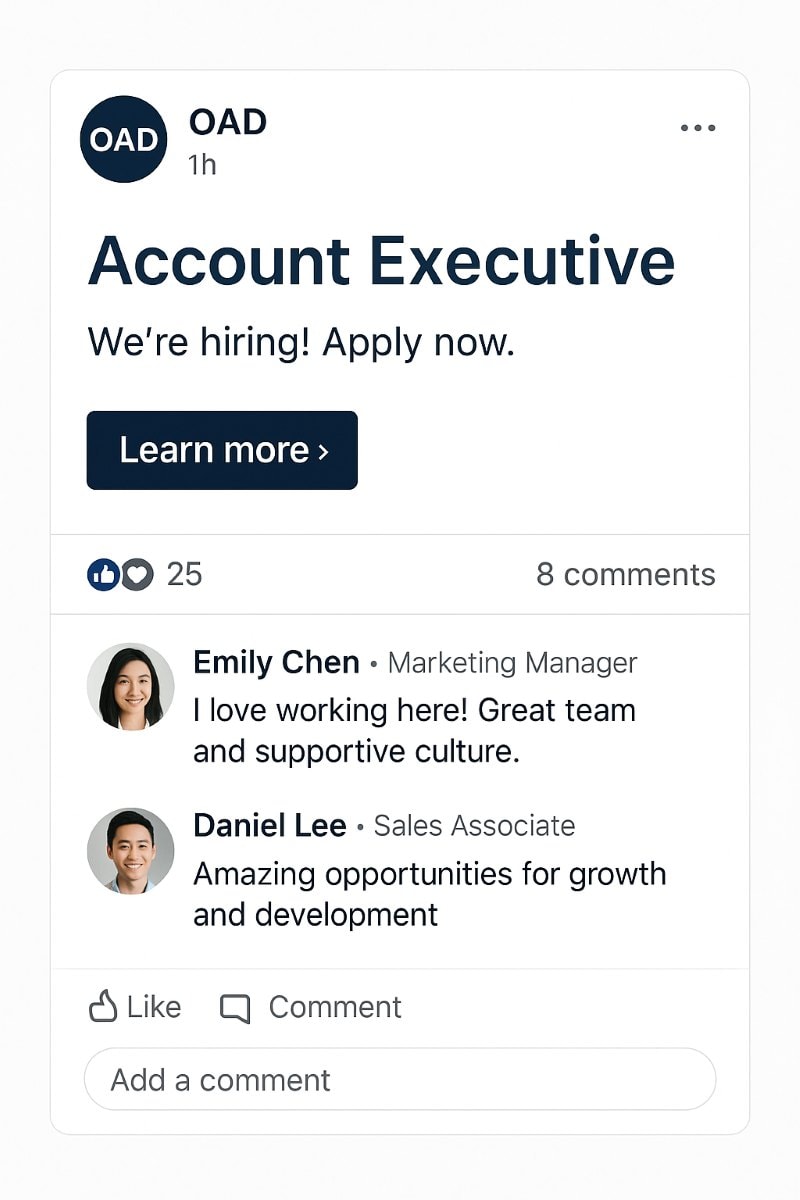
Then, consider where your ideal candidates spend time. Use niche job boards for specialized roles, LinkedIn for corporate recruiting, and social media platforms for entry-level or creative hires. The goal? To reach candidates where they are—before your competitors do.
Sourcing Candidates on the Platforms They Already Use
If your recruitment strategy treats social media as an afterthought, it’s time to rethink your approach. Today’s job seekers—and especially passive candidates—aren’t just browsing job boards. They’re scrolling LinkedIn, Instagram, and even TikTok. The smartest recruiters know how to meet them there.
Social media platforms offer more than just visibility—they offer connection. Showcase your team culture, highlight success stories, and post behind-the-scenes content that gives potential hires a reason to care. Even simple job alerts posted in your feed can spark interest when wrapped in authentic, mission-driven content.
Want to stand out? Don’t just promote job openings—promote your people. When candidates can see the faces, values, and energy behind your brand, they’re far more likely to engage. Building personal connections with candidates on social media helps you identify and attract the right talent by fostering genuine relationships and understanding their unique strengths.
Why Specialized Talent Requires Specialized Channels
Filling specialized roles often demands more than a general job board and a LinkedIn post. The best qualified candidates for these positions aren’t always actively looking—or they’re gathered in places most recruiters overlook. That’s where niche job boards, professional associations, and industry-specific communities come into play.
These targeted platforms allow you to reach professionals with deep expertise in a specific function or vertical—from advanced manufacturing to data science. But visibility alone isn’t enough. To stand out, tailor your job listings to speak the language of the community—address their priorities, tools of the trade, and impact areas.
Engaging with these networks doesn’t just help you fill urgent roles—it also builds credibility and grows your talent pool over time. Think of it as long-term relationship building with a highly qualified, hard-to-access segment of the workforce.
From Resumes to Results: Focus on What Really Matters
Resumes can tell you where a candidate has been—but they rarely tell you who they are or how they’ll perform. That’s where skills-based hiring comes in. Instead of filtering candidates by past job titles, focus on the actual capabilities needed for success.
This approach helps you evaluate candidates based on real performance—not credentials or polished LinkedIn profiles. Whether you’re conducting interviews or reviewing assessments, a structured interview process is essential for evaluating candidates fairly. Prioritize problem-solving, adaptability, and collaboration—especially for roles where soft skills drive day-to-day impact.
It’s also a powerful way to unlock diverse candidates from non-traditional backgrounds who may have been overlooked using outdated filters. And when combined with behavioral data (like OAD’s assessments), skills-based hiring becomes a blueprint for long-term fit and performance.
The hiring manager plays a key role by collaborating with recruiters to ensure the interview process aligns with team needs and company values.

Why Involving Hiring Managers Early Leads to Better Hires
No recruitment strategy is complete without the active involvement of the hiring manager. While they’re often associated with the interview process, their influence extends much further—shaping job requirements, setting role expectations, and making the final call on candidate selection.
To support smart hiring, hiring managers need more than authority—they need alignment and training. Equip them with structured interview guides, frameworks for evaluating candidates, and best practices like behavioral-based interviewing. Just as importantly, ensure they understand how to spot and reduce unconscious bias throughout the process.
When hiring managers are involved early—during job scoping, not just at the interview stage—job descriptions become more accurate, the recruitment process runs smoother, and the result is stronger long-term team fit. Empowered hiring managers don’t just fill roles—they co-author the success of their teams.

How to Move Fast—Without Sacrificing the Right Fit
In a competitive talent market, it’s tempting to prioritize speed over precision. But while a slow hiring process risks losing top candidates, moving too fast often results in poor fits—and costly turnover down the line. The real advantage lies in balancing efficiency with intention.
Start by building a streamlined recruitment process supported by data-driven hiring tools that help you quickly identify and assess quality candidates. When you pair automation with behavioral insights, you gain speed without losing alignment.
Set clear expectations with hiring managers and leadership about timelines and trade-offs. Everyone involved should understand that fast doesn’t mean rushed—it means focused. Instead of aiming to fill the role quickly, aim to fill it right.
By aligning urgency with a commitment to fit, you not only protect your recruitment strategy, you also strengthen long-term team performance.
Use Recruitment Data to Improve Every Step of the Hiring Funnel
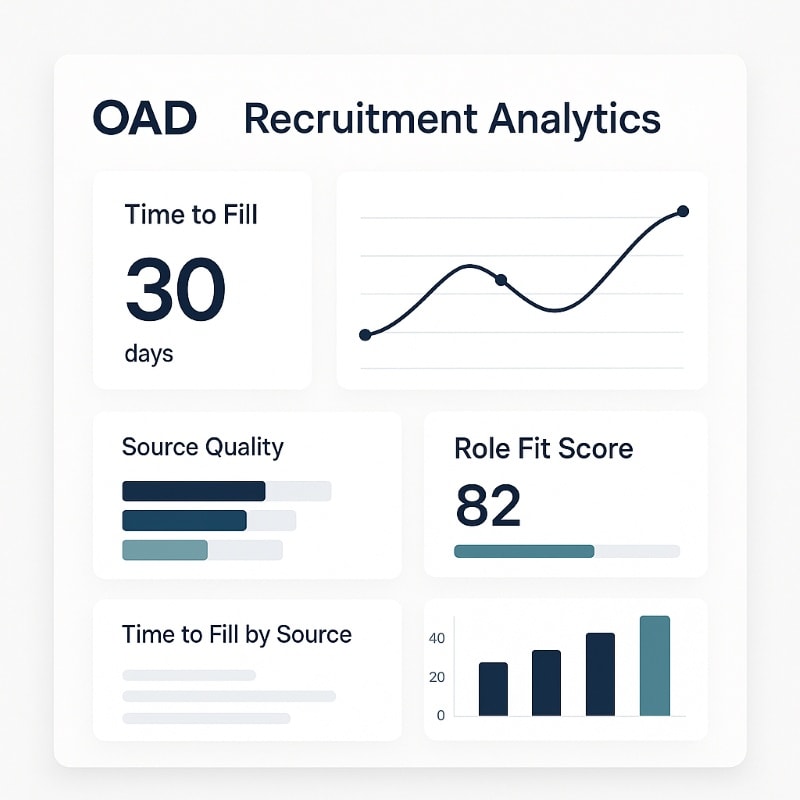
Gut instinct might land you the occasional great hire—but consistent, quality candidates require consistent, data-driven recruitment strategies. When HR leaders embrace metrics and behavioral data, HR professionals become key drivers of data-driven recruitment, gaining clarity into what works, what doesn’t, and how to scale success.
Start by tracking essential recruitment data: time-to-fill, source of hire, cost per hire, and retention by role. Then layer in deeper insights—like how candidates’ behavioral traits align with actual on-the-job performance. Data can also inform talent strategies, helping organizations improve sourcing and hiring outcomes. That’s where tools like OAD shine: by going beyond the resume and identifying how a person is wired to work.
Companies like Amazon and Google have long used behavioral science and structured assessments to reduce bias and improve hiring outcomes. With tools like an applicant tracking system integrated with behavioral analytics, you can do the same—at any scale.
Leveraging recruitment data in these ways leads to a successful recruiting strategy that consistently attracts and retains top talent.
Why Top Candidates Drop Off—and How to Keep Them Engaged
You can have the perfect job description and a strong employer brand—but if your candidate experience falls flat, top talent will quietly opt out. In a competitive market, how you treat prospective employees during the recruitment process says everything about your organization.
Creating a positive candidate experience means setting realistic expectations, staying in touch, and providing a clear, respectful process. From the first interaction to the final decision, keep candidates informed—whether it’s a quick status update, a personalized rejection, or detailed interview prep.
Here are a few tips: send timely updates, personalize your communication, and offer feedback after interviews to keep candidates engaged throughout the process.
Why does this matter? Because great candidates talk. Whether it’s on Glassdoor, LinkedIn, or within industry circles, your process becomes part of your brand. A smooth, transparent experience builds trust—even with those you don’t hire.
Don’t forget to continue engaging new hires after they join to ensure a smooth transition and strengthen long-term retention.
Ready to Implement Recruiting Strategies That Actually Work?
The difference between average teams and high-performing ones often comes down to one thing: hiring. When you apply science-backed recruitment strategies—from employee referrals to behavioral data—you don’t just fill roles. Promoting internal mobility can help fill critical positions and retain talent. You build a team that fits, stays, and grows with your mission.
Recruitment isn’t just a function of HR—it’s a strategic engine for scaling your business, with human resources driving recruitment strategies. And with the right tools in place, including behavioral assessments and predictive hiring data, you can reduce turnover, save time, and attract the best candidates—before your competitors do.
Try it for free today and see how OAD’s scientifically validated tools can help you hire with greater clarity, confidence, and long-term success. Adopting innovative recruitment strategies can help organizations overcome talent shortages in a competitive market.