Virtual hiring isn’t just a post-pandemic workaround — it’s a defining advantage in today’s global talent market. But while many companies are still using outdated methods designed for in-person interviews, top-performing organizations are refining every step of the virtual recruitment process to attract, assess, and retain remote talent at scale. In this guide, we’ll break down the proven best practices you need to hire smarter, faster, and with greater long-term success.
Virtual Hiring Best Practices: Why It Still Fails in 2025 (And What You Can Do About It)
Despite all the tools and talk around remote work, most companies still struggle with virtual hiring — and it’s costing them top talent, time, and team cohesion. Why? Because they treat virtual interviews like digital versions of in-person meetings. Same questions. Same structure. Same assumptions. However, making the shift from traditional recruitment methods to virtual approaches brings new cost savings and legal considerations that companies must address. The result? Misaligned hires, frustrated hiring teams, and high turnover.
Virtual hiring requires a different mindset — one that recognizes how remote environments change candidate behavior, communication style, and cultural signals. As the hiring landscape evolves, these changes present both challenges and opportunities for organizations to access broader talent pools and streamline their processes. When hiring managers rely solely on charisma over Zoom or gut instinct from a static résumé, they miss key indicators of long-term fit. According to a 2023 SHRM survey, nearly 60% of HR professionals reported that remote hires struggled more with engagement and productivity when the hiring process failed to assess adaptability, self-management, and communication.

The good news? These are measurable traits — and with the right tools and strategy, you can assess them upfront. Careful planning is essential when transitioning to virtual hiring to ensure a smooth and effective process.
Virtual Hiring vs. In-Person Hiring — Key Differences HR Needs to Understand
Treating virtual hiring like a simple substitute for in-person interviews is one of the fastest ways to make a bad hire. The signals hiring managers rely on in face-to-face settings — confident body language, handshake impressions, casual office banter — are either muted or missing entirely in a virtual setting. What replaces them? Digital presence, communication clarity, tech literacy, and the ability to self-manage without constant oversight.
Another crucial difference is how stress presents itself on screen. Candidates in a remote interview may seem disengaged or flat—not because they’re unqualified, but because virtual environments distort normal social cues. Without context, hiring teams may misread introversion as apathy or confuse low energy for low competence.

That’s why top-performing companies shift their focus from charisma to capability. Sourcing and evaluating remote talent requires new strategies, including building a remote talent pipeline and leveraging global candidates. Instead of trying to recreate the in-person experience, they adapt their hiring lens to look for traits that actually predict success in a remote setting: self-direction, asynchronous collaboration, comfort with ambiguity, and digital communication style. To do this, companies must adapt their methods to effectively evaluate candidates in virtual environments, using structured assessments like skill tests and real-time evaluations.
Defining and Demonstrating Culture in a Virtual Hiring Environment
Company culture doesn’t live in break rooms or branded swag — it lives in daily behaviors, shared values, and the way your team communicates when no one’s watching. And in a virtual world, that culture has to be intentionally designed and consistently reinforced.
Start by identifying the core values that actually show up in your day-to-day work — not just the ones printed on your website. Then ask: how do those values translate in a remote setting? For example, if collaboration is central to your culture, how does that show up on Zoom? In Slack threads? During onboarding?
Once defined, your culture needs to be visible. Bake it into every stage of your virtual hiring process:
- Share a short video of a real remote team meeting
- Let job seekers hear from actual employees in different time zones
- Use interactive culture decks or async Q&A sessions to show—not just tell—what your company stands for
Candidates aren’t just evaluating the role — they’re asking, “Do I belong here?” The more clearly you communicate your culture in the hiring journey, the more likely you are to attract people who aren’t just qualified, but aligned.
Crafting Job Postings That Attract the Right Remote Talent
In a virtual hiring landscape, your job posting isn’t just a description — it’s a marketing asset. It’s often the first interaction a candidate has with your company, and in a crowded digital space, a generic list of responsibilities won’t cut it.
Great job postings do three things: they clarify the role, communicate the culture, and compel the right people to apply. That means going beyond bullet points. Tell a story. Explain what success looks like in the role. Highlight the benefits that matter to remote professionals — flexibility, autonomy, asynchronous collaboration — and connect those back to your company’s values.
Leverage your ATS to streamline job distribution, optimize keywords, and track which postings convert best. Include links to digital culture decks, short “meet the team” videos, or virtual office tours so candidates can visualize what working with you actually feels like.
Most importantly, write with inclusion in mind. Language shapes perception — and overly corporate or coded phrasing can unintentionally filter out diverse, qualified candidates. When your posting reflects both clarity and authenticity, you’ll attract people who are not only capable, but energized by your mission.
Laying the Foundation — Candidate Experience Starts Before the Interview
A strong virtual hiring process doesn’t begin with the interview — it begins the moment a candidate encounters your brand. In a competitive job market, first impressions often happen digitally. Attracting candidates requires a strong employer brand and an engaging digital presence that highlights your company culture and values. If your hiring process feels generic, outdated, or disorganized, top candidates may disengage before you ever meet them.
Providing a positive candidate experience can set your company apart in a competitive market.
Create a Branded, Digital Candidate Environment
Think of your hiring experience as a virtual extension of your workplace. High-growth companies use branded welcome videos, digital culture decks, and short “day-in-the-life” clips to offer a preview of what it’s like to work there. These assets build emotional connection, reinforce company values, and show candidates that your organization takes both culture and communication seriously.
Even simple additions—like personalized outreach emails or team member intro videos—can create a warmer, more human candidate journey. And in virtual settings, where tone and trust are harder to establish, that small human touch makes a big difference. Building a personal connection in these virtual environments can significantly improve candidate engagement and foster trust throughout the recruitment process.
Communicate Early and Often
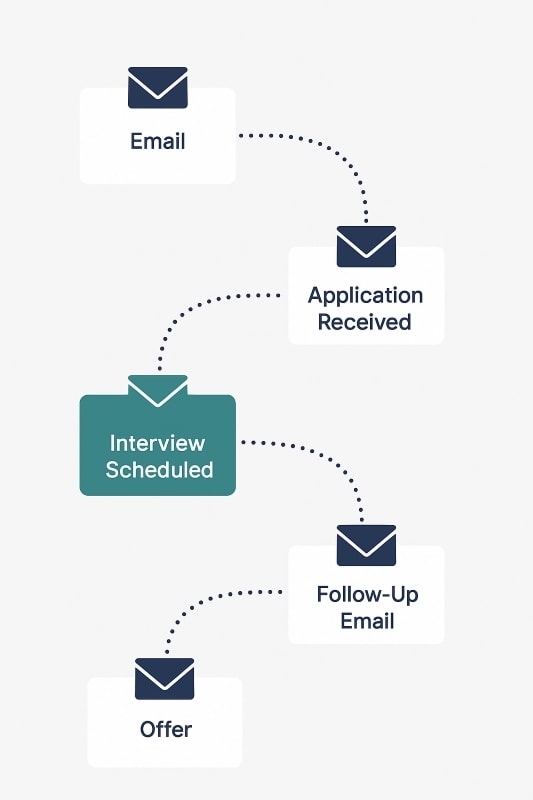
Virtual hiring can feel cold and opaque when communication isn’t intentional. Candidates shouldn’t be left wondering what comes next. Keeping candidates engaged throughout the virtual hiring process is essential to attract and retain top talent. Use automated messages from your ATS to confirm applications, outline the process, and share clear next steps.
Hiring managers who take a few extra minutes to send personalized messages—especially before or after interviews—can dramatically improve candidate experience. It’s not just about being polite. It’s about signaling professionalism and respect.
According to a LinkedIn Talent Trends report, 83% of candidates say a negative interview experience can change their mind about a role or company. That’s a statistic too costly to ignore.
Expanding Your Talent Pool with Virtual Job Fairs and Online Platforms
In a virtual hiring ecosystem, your reach is no longer limited by geography — but your visibility still depends on strategy. Virtual job fairs and online platforms offer powerful channels to access a broader, more diverse talent pool. Done right, they’re not just transactional — they’re brand-building moments.
When participating in virtual job fairs, treat them like a digital open house. Share live insights into your company culture, answer candidate questions in real time, and make your virtual booth feel like an extension of your workplace. It’s a chance to leave a lasting impression before a formal interview ever happens.
But don’t stop there. Use professional networking sites like LinkedIn, niche job boards, and even social media to stay visible where your ideal candidates spend time. Keep your careers page updated, showcase employee stories, and engage with comments and questions — it signals that your team is active, approachable, and serious about hiring.
You can also amplify your reach by partnering with remote-specialized recruitment agencies. Many maintain pre-vetted databases of candidates who already thrive in virtual settings. And with the right analytics tools, you can continuously measure which platforms yield the strongest candidates — allowing you to double down on what works and ditch what doesn’t.
Conducting Virtual Interviews That Actually Work
A polished virtual interview isn’t just about having the right tech — technology also enables conducting interviews efficiently in a virtual environment. It’s about designing a process that gives you deeper insights into who your candidates really are. In remote environments, the margin for misjudgment is higher, and surface-level conversations won’t reveal whether someone can thrive without close supervision, manage projects independently, or collaborate asynchronously. That’s why it’s crucial to design a fair and effective interview process tailored for remote hiring.
Upgrade Your Virtual Recruitment Tools
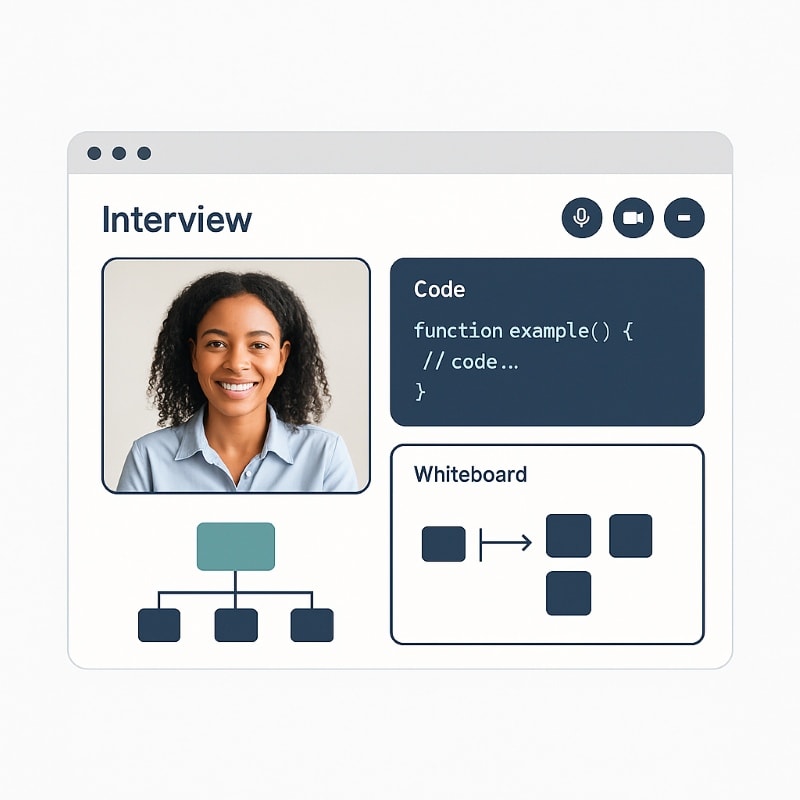
If your video interviews still rely on basic Zoom calls and PDF résumés, it’s time to level up. Tools like VidCruiter, HireVue, or platforms with whiteboarding, screen sharing, and real-time task collaboration give hiring teams more signal and less noise. Incorporating live video conferencing meetings allows for interactive candidate assessments, making it easier to simulate real work scenarios and engage candidates in dynamic discussions. These technologies don’t just enable conversation — they create opportunities to observe problem-solving, thought process, and communication flow in action.
Even something as simple as having candidates annotate a shared doc or talk through a hypothetical scenario using screen share can reveal far more than standard Q&A.
Ask Better Interview Questions for Virtual Settings
Success in a remote role isn’t always about hard skills — it’s about how people manage themselves. Instead of asking “What’s your biggest weakness?” or “Where do you see yourself in five years?”, shift to questions like:
- “Walk me through a typical remote workday — how do you structure your time?”
- “How do you stay aligned with your team when priorities shift?”
- “Tell me about a time when you had to solve a problem without access to your manager or team.”
Interviewers should also practice active listening during these conversations to better understand candidates’ responses and non-verbal cues.
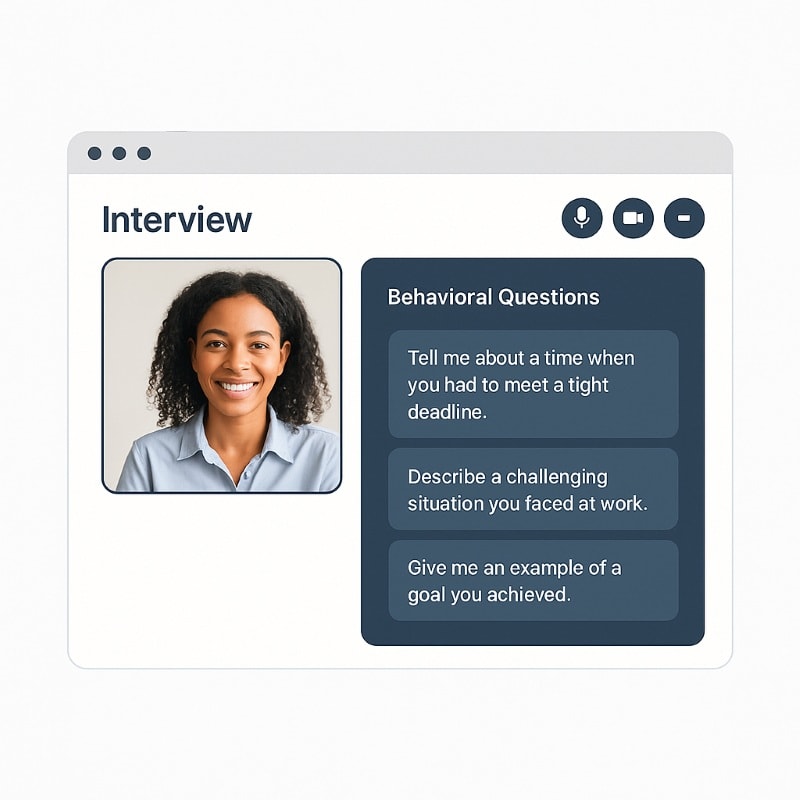
These questions uncover a candidate’s time management style, resilience, initiative, and comfort with ambiguity — all critical for remote performance.
Overcoming Common Virtual Hiring Challenges
Virtual hiring opens the door to global talent and greater flexibility — but it also introduces friction points that can quietly undermine the candidate experience. Most issues aren’t about people — they’re about process and preparation.
Technical disruptions are among the biggest culprits. A dropped video call or lagging audio can derail even the most promising interview. To prevent this, prioritize reliable, user-friendly video conferencing tools and build a simple tech checklist for both your team and candidates. That might include bandwidth requirements, a how-to guide for joining the call, and a backup contact method in case something goes wrong.
Think of this as part of your employer brand. A smooth, well-supported experience reflects professionalism. A clunky, confusing one raises doubts.
You can also leverage support tools like automated email workflows, chatbots, or virtual assistants to answer FAQs, confirm appointments, and provide candidates with real-time guidance throughout the process. This reduces anxiety, minimizes delays, and shows that you value their time — all before the first question is even asked.
Virtual hiring isn’t immune to glitches. But with thoughtful preparation and the right tech in place, those challenges become opportunities to build trust and stand out.
Assessing Skills & Fit — Beyond the Resume
A résumé can tell you what someone has done — but it won’t tell you how they’ll perform in a remote environment or whether they’ll thrive on your specific team. In the virtual recruiting process, it is essential to thoroughly assess a candidate’s qualifications to ensure their suitability, skills, and overall fit for the role. That’s why modern hiring leaders are shifting from résumé-first screening to capability-first evaluation — using hands-on assessments, team-based exercises, and behavioral insights to make smarter, faster decisions.
Use Project-Based Assessments
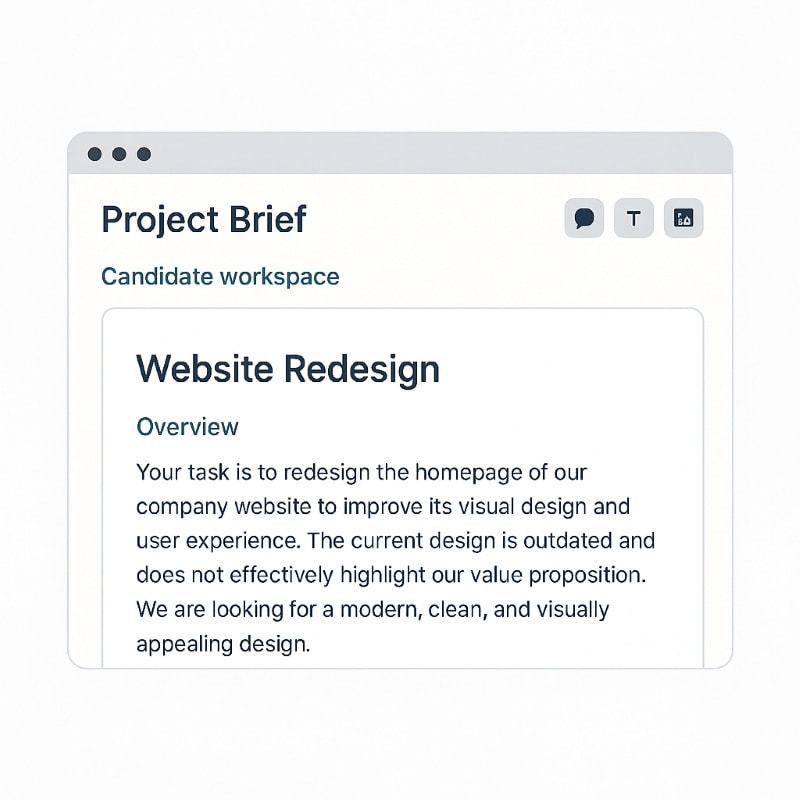
Want to know how a candidate will handle the job? Let them do the job. Project-based assessments are the closest thing to a trial run. Whether it’s drafting a client proposal, troubleshooting a technical issue, or writing sample content, these simulations give you real evidence of how a candidate thinks, executes, and communicates. These tasks are also an effective way to assess a candidate’s technical abilities in real-world scenarios, allowing you to evaluate their skills and proficiency through hands-on, role-specific challenges.
They also reduce bias. Instead of relying on education or experience as proxies for skill, you’re evaluating based on output — not pedigree.
Include Group Collaboration Simulations
Before inviting candidates to group exercises, consider implementing blind resume screening to promote fairness and reduce unconscious bias in your virtual recruitment process.
Hiring for remote teams isn’t just about individual performance — it’s about chemistry. Invite top candidates to a live collaboration session with current team members. Give them a shared goal and a short deadline (like brainstorming a campaign or planning a mock product launch) and observe how they listen, lead, and contribute.
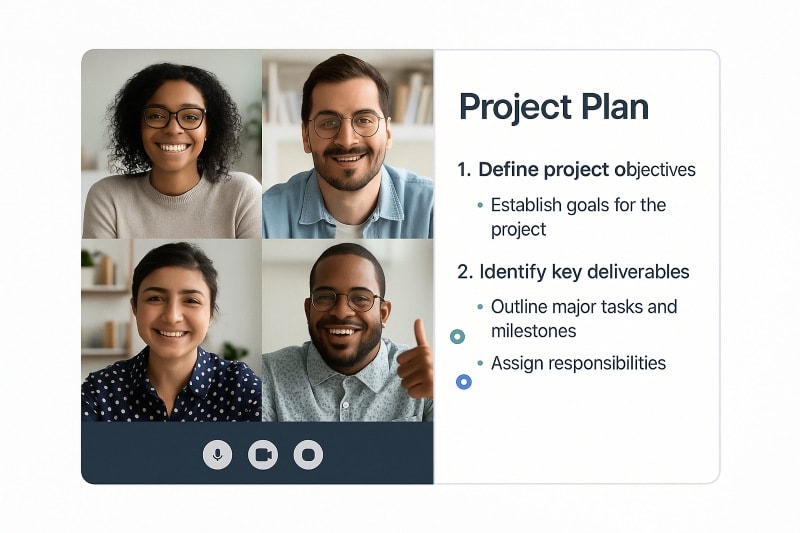
This is especially effective for roles where collaboration and communication are non-negotiable. It’s not a test — it’s a window into team fit.
Use Data to Make Informed Hiring Decisions
Behavioral assessments like OAD’s psychological survey allow you to measure personality traits and work styles objectively — not based on gut instinct or first impressions. When combined with project-based tasks, this data paints a fuller picture of how a candidate will contribute long term.
For example, two candidates may perform equally well on a task — but one may prefer independent work while the other thrives in a collaborative, high-feedback environment. That’s the kind of insight that can prevent costly mismatches down the line.
Legal, Compliance, and Security Considerations
Virtual hiring gives you access to a global talent pool — but it also introduces legal and security risks that can derail your recruitment process if overlooked. It is crucial to address legal considerations in virtual hiring, such as compliance with employment laws, data privacy regulations, and anti-discrimination policies, to ensure a lawful and fair process across different jurisdictions. From GDPR to remote data access policies, hiring across borders means navigating a new landscape of rules and responsibilities. Various legal aspects must be considered, including employment laws, contracts, tax obligations, and data privacy requirements, often requiring collaboration with legal experts. Throughout the virtual recruiting process, it is essential to address legal and compliance considerations to mitigate risks and maintain compliance with international employment laws.
Respect Regional Laws and Compliance Requirements
Different countries — and even different U.S. states — have unique regulations around hiring practices, discrimination laws, and candidate data handling. For example, if you’re interviewing a candidate in the EU, you need to comply with GDPR requirements, including how long you store video recordings and who can access them.
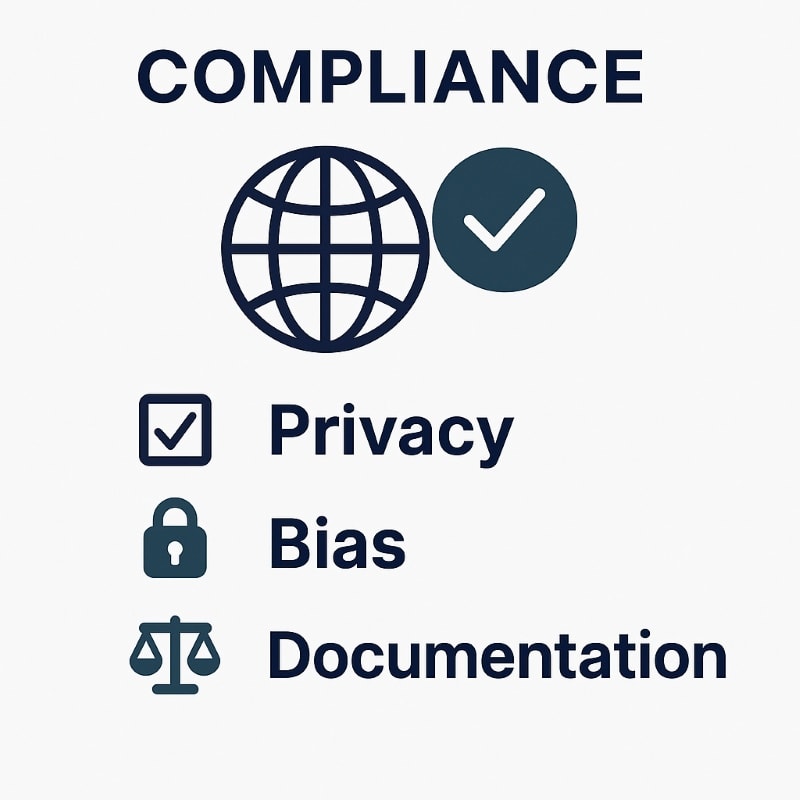
Blind résumé screening and AI-powered candidate scoring can also raise red flags if not used properly. Make sure your tools meet privacy and fairness standards, and document how decisions are made to stay audit-ready. Following best practices for compliance and fairness in virtual hiring helps ensure your processes are effective and defensible.
Secure Candidate Data in a Remote Setting
Virtual hiring means sharing sensitive data across cloud-based platforms, often outside your company’s firewalls. That makes cybersecurity essential. Look for virtual recruitment tools that offer:
- End-to-end encryption
- Role-based access control
- Secure video storage
- Audit trails for data handling
Even calendar invites or feedback notes can leak confidential information if the platform isn’t secure. Work with your IT and legal teams to vet every vendor in your virtual hiring stack.
Optimizing the Entire Process with the Right Technology
Virtual hiring isn’t just about what happens on the video call — it’s about how smoothly your entire process runs behind the scenes. From scheduling to candidate scoring to final offer, your tech stack determines whether your hiring experience feels effortless or chaotic. Virtual recruiting leverages technology to streamline every stage of the hiring process, making it easier to connect with candidates, host online recruitment events, and utilize digital platforms for efficient communication and evaluation. Additionally, virtual recruiting offers significant cost savings by reducing expenses related to travel, materials, and office space compared to traditional hiring methods.
Centralize Everything in Your ATS
A modern applicant tracking system (ATS) should be your command center. Look for platforms that integrate with video interview tools, store recordings, tag candidate strengths, and allow collaborative feedback from your hiring team. A talent acquisition team can use these tools to improve communication and coordination throughout the hiring process. When everything lives in one place, your process becomes faster, more consistent, and less error-prone.
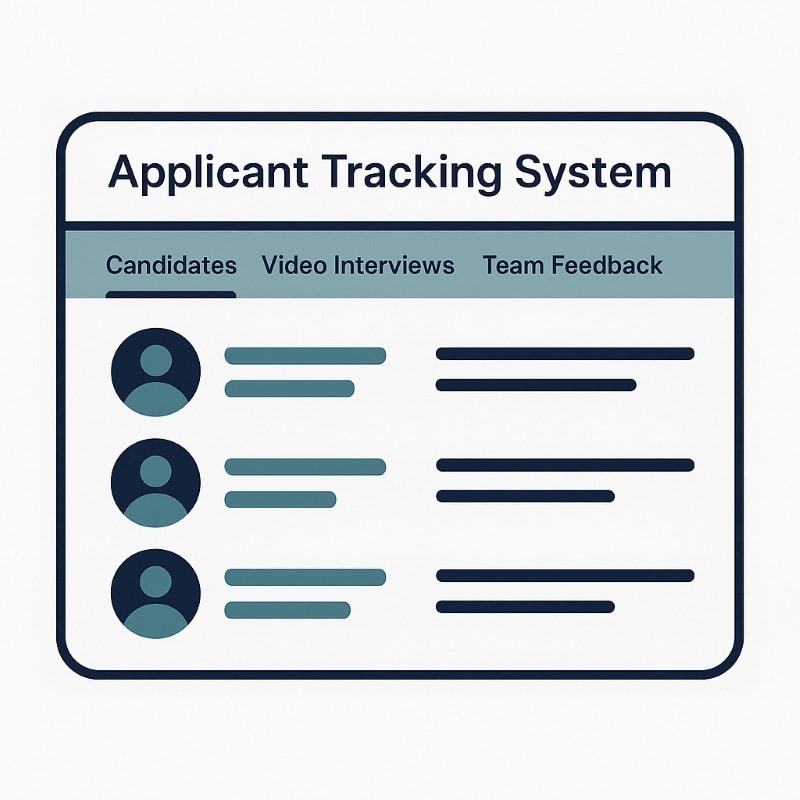
Bonus: many ATS platforms offer analytics that help you track where candidates drop off, how long each stage takes, and which sources yield the best hires.
Integrate Project Management Tools
Once your team expands, hiring becomes a multi-step, multi-stakeholder process. Project management software like Asana, ClickUp, or Trello helps coordinate tasks like resume reviews, interview debriefs, and onboarding prep — especially when spread across departments or time zones.
This ensures every team member knows where the candidate stands and what their role is in moving things forward.
Leverage AI to Reduce Bottlenecks
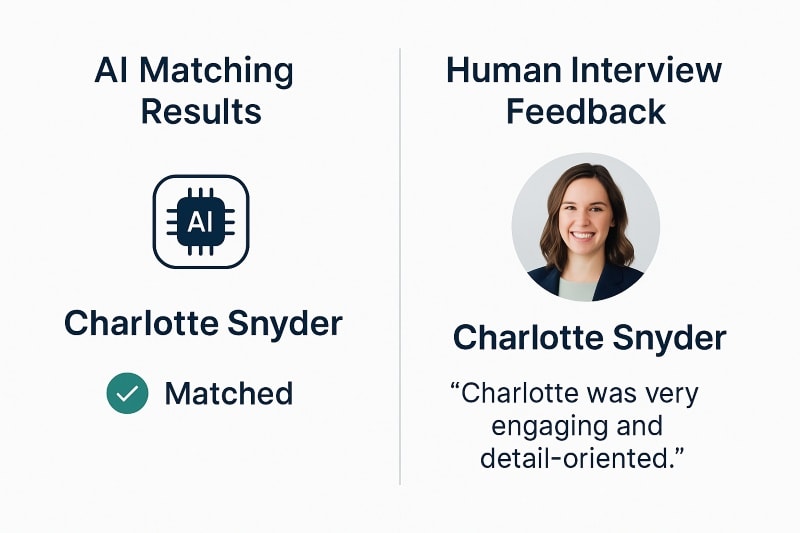
Many modern hiring tools now use AI to handle everything from résumé parsing to scheduling interviews and even flagging candidates who match specific behavioral profiles. These tools don’t replace human judgment — they enhance it by surfacing insights and reducing repetitive tasks.
Used responsibly, AI frees up your hiring managers to focus on what matters most: identifying fit, not just filtering résumés.
Don’t Let Onboarding Be an Afterthought
Even the best virtual hiring process can fall apart if onboarding feels like an afterthought. First impressions don’t end at the offer letter — they extend into a new hire’s first week, first meeting, and first milestone. A strong onboarding experience builds momentum, reinforces culture, and reduces early turnover. For remote workers, it is crucial to implement tailored onboarding strategies that address the unique challenges of remote work and help integrate them effectively into the company culture.
Virtual Office Tours and Day-in-the-Life Videos
Candidates may never set foot in your physical office — but that doesn’t mean they shouldn’t feel the energy of your workplace. Virtual onboarding minimizes the need for in person interaction while still engaging new hires through live virtual tours, “day in the life” videos, or interactive walkthroughs to help new hires visualize where and how your team works. This builds emotional connection and makes remote employees feel like they belong, even before day one.
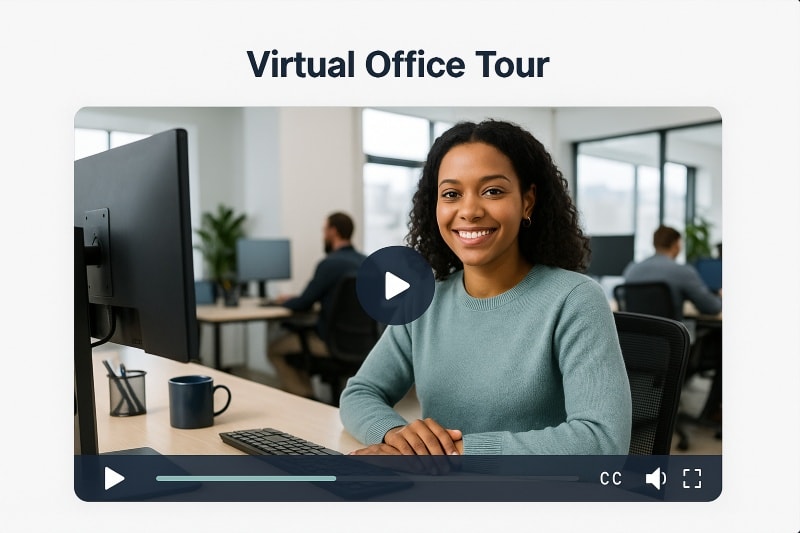
These assets also reinforce your employer brand and show job seekers that you care about creating a welcoming, transparent environment.
Build a First Week Success Plan
Remote employees need clarity from the start. A structured success plan — outlining key meetings, training sessions, introductions, and “quick win” goals — gives new hires direction and momentum. It also sets expectations for communication style, productivity, and cultural norms.
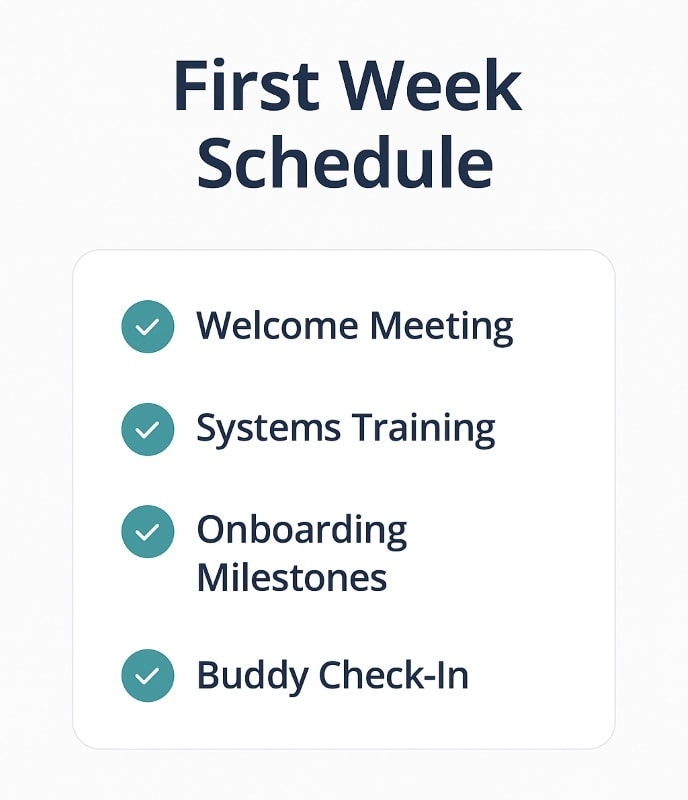
Pro tip: assign a peer buddy or onboarding ambassador to each new hire. It’s a simple way to humanize the process and build internal connection in the absence of hallway conversations.
Measuring Success and Improving Your Virtual Hiring Strategy
Virtual hiring isn’t a “set it and forget it” process — it’s a dynamic system that needs consistent feedback, iteration, and improvement. To stay competitive, your hiring team should treat recruitment like a product: test it, measure it, and evolve it. Regularly reviewing and refining your recruiting process is essential to ensure it remains effective, cost-efficient, and aligned with your company’s goals.
Track What Matters
Don’t just track time-to-hire or offer acceptance rate. Go deeper:
- Candidate satisfaction (via surveys or NPS)
- Hiring manager satisfaction with fit and ramp-up time
- Retention rates of virtual hires vs. in-person hires
- Assessment accuracy (did the top candidate actually perform as expected?)
- Drop-off points in the recruitment funnel
These insights show you not just how fast you’re hiring — but how well.
Gather Feedback From New Hires and Teams
Ask new hires what worked, what felt confusing, and what made them feel welcome (or not). You’ll get surprising insights — maybe your tech test felt too disconnected from the actual job, or your onboarding videos skipped over key expectations.
Also, check in with hiring managers after 30–60–90 days: did the hire meet their expectations? Was the process helpful? These conversations often highlight process blind spots and training needs.
Commit to Continuous Improvement
Hiring is never static — and in a virtual environment, even small process tweaks can lead to big results. Revisit your recruitment strategy every quarter. A/B test interview formats. Refresh your onboarding content. The goal is to reduce friction and increase alignment with every new hire.
Final Words — Virtual Hiring Is a Competitive Advantage When Done Right
Virtual hiring isn’t just a convenience — it’s a competitive edge. But only if you stop trying to replicate the in-person experience and start designing your process around the realities of remote work.
That means building in structure, clarity, and culture at every step. From branded candidate experiences and skills-based assessments to behavioral insights and personalized onboarding, every element should reinforce the kind of team you want to build — and the kind of talent you want to attract. A well-structured virtual recruitment process is essential for ensuring efficiency, inclusivity, and compliance in today’s hiring landscape.
Leaders like Jeff Bezos and Elon Musk have emphasized hiring for long-term alignment over short-term skills. At OAD, we take that one step further — using science-backed behavioral assessments to help companies identify, align, and retain top performers across time zones and job functions. Companies can also invite prospective candidates to virtual open houses and job fairs, engaging prospective candidates early through interactive events and Q&A sessions.
Now’s the time to raise your hiring standards. Leveraging email marketing software can help keep candidates informed and engaged throughout the recruiting virtually process.
Ready to upgrade your virtual hiring process?Try now for free to see how OAD can help you make smarter, faster, and more informed hiring decisions — and build a high-performing remote team from day one.