Hiring isn’t just about filling roles—it’s about building the future of your business. A strategic hiring process ensures every new employee aligns with your company’s goals, culture, and long-term vision. In this guide, you’ll learn how top-performing companies attract and retain high-quality talent through a data-driven, intentional approach to recruitment.
What Is a Strategic Hiring Process?
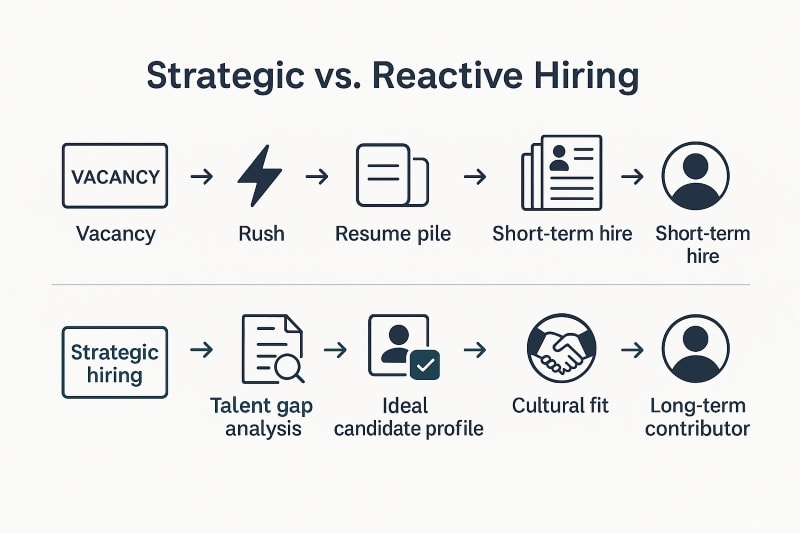
Most hiring processes are reactive: a position opens, and companies scramble to fill it. But top-performing organizations approach hiring like a business-critical investment—not an emergency. A strategic hiring process goes beyond resumes and interviews. It connects every recruitment decision to long-term business objectives, company values, and cultural alignment. Unlike simply filling vacancies, strategic hiring ensures each new hire supports the company’s vision and future growth.
Strategic hiring isn’t just about finding a qualified candidate—it’s about identifying the right person who will thrive in your environment, contribute to your mission, and stay for the long haul. That requires more than instinct. It requires a plan. A truly strategic hiring process aligns with organizational goals, ensuring that every step supports the company’s broader objectives.
At Amazon, Jeff Bezos famously implemented a “bar raiser” system to ensure every new hire improved the overall quality of the team. That’s the mindset behind strategic hiring: each person should raise the standard—not just meet it.
And yet, most companies still rely on gut feel and generic job boards. If you want to attract top talent and build a resilient, high-performing team, you need a hiring process that’s intentional, data-informed, and aligned with your future growth. This means developing a plan that ensures the hiring process aligns with the company’s long term goals, supporting major initiatives and sustained success.
Start With Business Goals, Not Job Titles
Most companies start hiring by writing a job description. Strategic organizations start by asking a different question: “What are we trying to achieve—and what kind of person will get us there?”
Before you recruit, get crystal clear on your business objectives. Are you scaling a department? Launching a new product? Expanding into a new market? Each of these scenarios requires a different behavioral profile, skill set, and cultural contribution. Setting clear hiring goals at this stage ensures your recruitment efforts are aligned with business objectives and target the right skills for success.
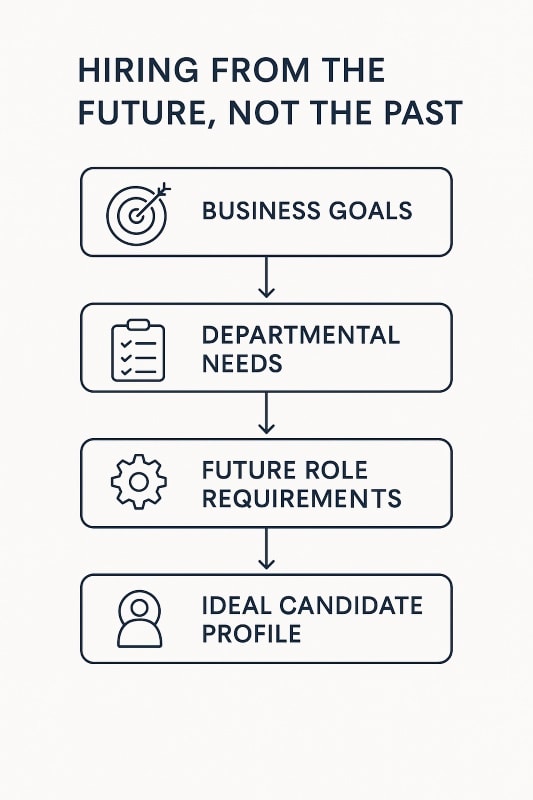
Rather than backfilling roles or replicating past hires, forward-thinking companies use workforce planning to identify future talent gaps and define the traits needed to close them. Anticipating future hiring requirements also supports succession planning and ensures continuity during leadership transitions. That means aligning your strategic recruitment plan with real data—not assumptions.
Too often, the HR team is tasked with hiring for roles that haven’t been tied to the company’s broader direction. But when hiring is aligned with leadership’s strategic plan, it becomes a growth lever—not a cost center.
By shifting focus from job titles to long-term outcomes, you set the foundation for a hiring process that supports the company’s future growth, not just today’s workload. Aligning hiring with business goals in this way directly contributes to the company’s success by attracting and retaining the talent needed for organizational achievement.
Write Concise Job Descriptions That Attract the Right Talent
A job description isn’t just an internal document—it’s your first filter. Done well, it can attract the right candidates and repel the wrong ones. Done poorly, it leads to misalignment, mismatched expectations, and unnecessary turnover. Well-crafted job postings are essential for attracting ideal candidates by clearly communicating the specific traits and expectations needed for success in the role.
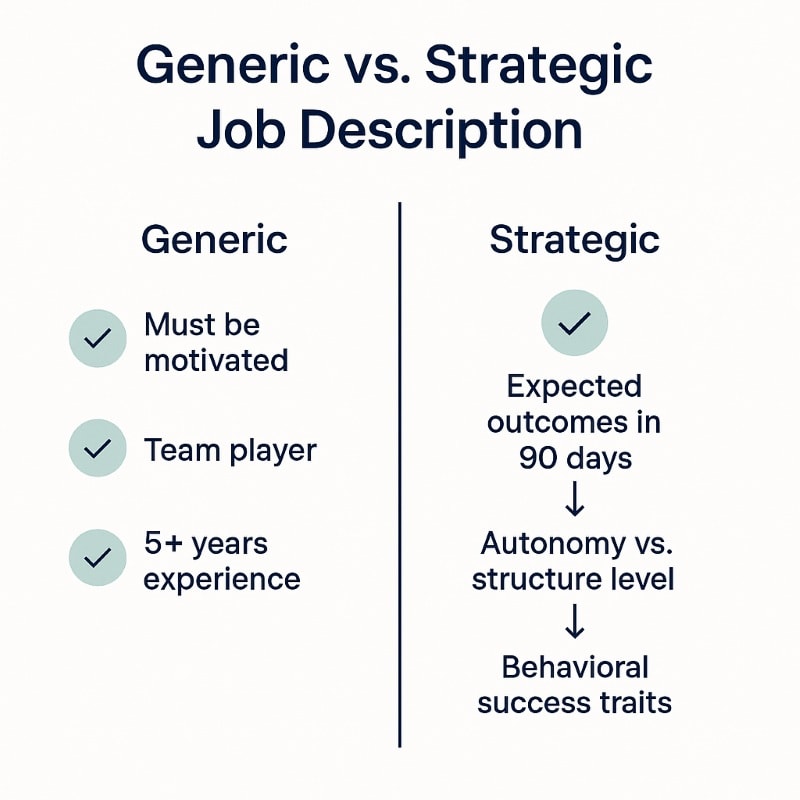
Instead of defaulting to vague language like “team player” or “strong communicator,” focus on the specific outcomes the role is expected to deliver. What does success look like in the first 90 days? What unique behavioral traits are required to thrive in this position?
By integrating behavioral insights—such as those uncovered through OAD’s assessment tools—you can design concise job descriptions that speak directly to your ideal candidate’s mindset. Are you looking for someone who excels in structured environments? Someone who thrives under ambiguity? These details matter far more than a generic list of “responsibilities.” Technology can also help you post jobs across multiple platforms, ensuring your job postings reach a broader pool of ideal candidates.
Clarity is your competitive edge. In a tight labor market, high-quality candidates aren’t scanning for buzzwords—they’re scanning for roles that align with their personality, values, and long-term goals.
A strategic job description doesn’t just describe the work. It sets the tone for who belongs—and who doesn’t.
Build a Strong Employer Brand & Talent Pipeline
Top candidates don’t just want a job—they want to join a company that reflects their values and ambitions. That’s why a strong employer brand is one of the most powerful assets in any strategic recruitment process.
Your brand is more than your logo or careers page. It’s the total perception of what it’s like to work at your company—from how you communicate during interviews to what former employees say on Glassdoor. A compelling brand helps you attract candidates who align with your mission, values, and work style.
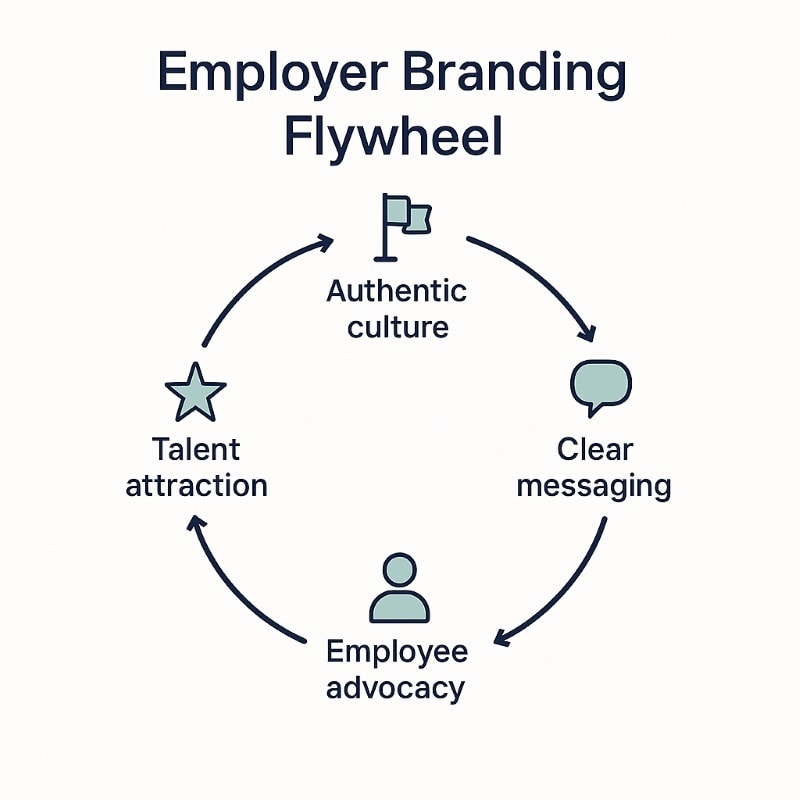
Smart companies don’t wait for openings to start recruiting. They invest in their talent pipeline continuously—nurturing relationships with potential hires through social media content, newsletters, employee spotlights, and public culture initiatives. Building strong talent pipelines ensures a steady flow of qualified candidates, helping organizations adapt quickly to changing needs. Expanding your company’s talent pool through multi-channel sourcing and strategic planning makes recruitment more efficient and targeted. These touchpoints create familiarity and trust, long before the interview begins.
Your current employees are also one of your most powerful recruiting tools. High-trust environments foster employee referrals, which statistically lead to higher retention and better cultural fit. Showcasing your company’s culture helps attract and retain employees who are aligned with your values and vision. If your people are proud to work for you, they’ll bring others who share that pride.
Building a strong employer brand isn’t about creating a perfect image. It’s about authenticity, consistency, and clarity—so the right candidates know they’ve found the right place.
Culture Fit: The Overlooked Strategic Advantage
A thriving company culture isn’t just a nice-to-have—it’s the foundation of any successful strategic hiring process. When your values, mission, and work environment are clearly articulated, you naturally attract qualified candidates who resonate with your vision and working style.
For hiring managers, culture should be more than a checkbox—it should guide every aspect of the recruitment process. Teams built around shared values tend to be more engaged, collaborative, and committed for the long term.
Employer branding plays a critical role here. By embedding your culture into job descriptions, social media, and recruiting campaigns, you’re not just promoting a role—you’re offering a glimpse into what it means to be part of your team. This kind of authenticity helps attract top talent who are aligned before they even walk through the door.
When your recruitment efforts reflect your actual workplace experience, you create a magnetic effect. The best candidates aren’t just looking for a job—they’re looking for a place where they belong and can make an impact. Strategic hiring rooted in real culture doesn’t just fill vacancies. It builds the kind of community that fuels long-term business success.
Proactive Sourcing: Go Where the Best Candidates Are
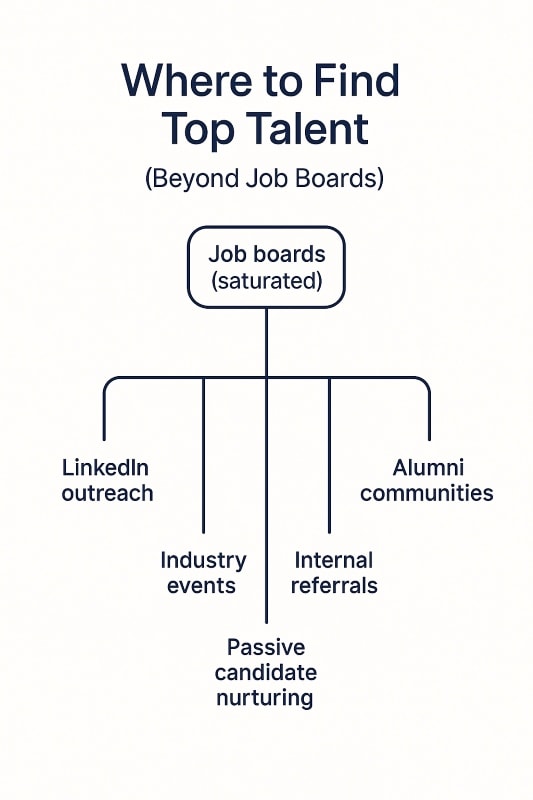
If your recruitment efforts start and end with job boards, you’re already behind. The most qualified candidates aren’t waiting for your post—they’re likely already employed, not actively applying, and ignoring generic outreach.
That’s why proactive sourcing is the hallmark of a strategic hiring process. Instead of waiting for top talent to come to you, go where they already are: niche communities, industry events, alumni networks, and targeted LinkedIn groups. This is where the best conversations—and the best hires—begin. Actively seeking candidates from diverse backgrounds in these spaces not only expands your talent pool but also fosters innovation and improves team performance.
Think of sourcing as long-term relationship building. The goal isn’t to immediately fill a role—it’s to cultivate a pool of potential candidates who already trust your brand when the time comes.
Social media also plays a critical role here. By sharing behind-the-scenes content, employee wins, and culture insights, you position your company as a destination—not just a fallback option. This is especially powerful when combined with a strong referral culture and authentic storytelling from your team.
According to LinkedIn’s Global Talent Trends report, 70% of the global workforce is made up of passive talent—people not actively looking but open to the right opportunity. Proactive sourcing is how you find them before your competitors do. Engaging passive candidates as part of your hiring efforts is crucial for building a robust pipeline and aligning recruitment with long-term business goals.
Assess for Fit, Not Just Skills
A strong resume doesn’t guarantee a strong hire.
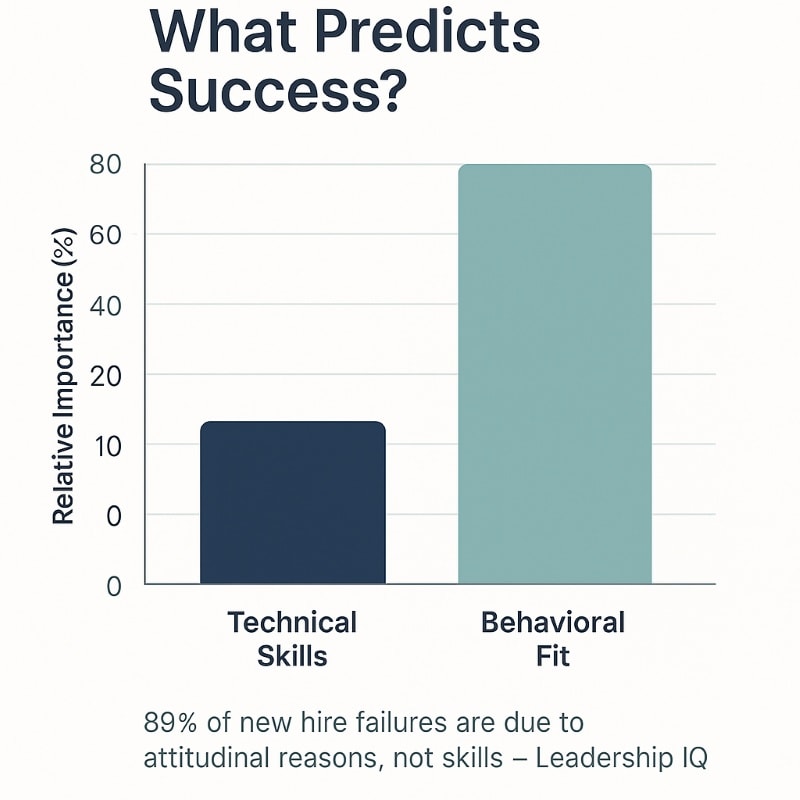
Many companies still rely on resume screening and technical interviews as their primary filters. But when it comes to long-term success, behavioral fit is often the deciding factor—not credentials. Effective recruitment strategies combine behavioral assessments with targeted candidate engagement to ensure you’re attracting and selecting the right people.
That’s why candidate screening should go deeper than checking off skills. It should uncover how someone thinks, adapts, communicates, and handles pressure. In other words, how they’ll actually behave in your organization’s unique environment.
Top companies integrate behavioral interviews, structured assessments, and predictive analytics into their hiring decisions—not as an afterthought, but as a foundation. At this stage, you’re not just trying to hire a qualified candidate. You’re trying to hire the right candidate—one who aligns with your team’s dynamics, your company’s pace, and your long-term goals. Strategic recruiting ensures that your hiring process is aligned with long-term business objectives, supporting sustained organizational success.
OAD’s behavioral assessment gives hiring teams an early read on whether someone is likely to thrive—or quietly disengage over time. This kind of insight helps you avoid costly misfires and build teams with intention.
Technical skills are trainable. Behavioral misalignment is not. If you want to retain high performers, you have to start by selecting for fit.
Streamline with Tools & Tech
Even the best strategy can fall apart in execution—especially if your hiring process is clunky, confusing, or inconsistent. That’s where the right tools come in.
Modern applicant tracking systems (ATS), automated interview scheduling, and AI-powered screening tools can dramatically improve the flow of your recruitment efforts. Automation tools can streamline scheduling interviews, reducing administrative workload and speeding up the hiring process. But it’s not just about speed. It’s about building a candidate-centric approach that respects people’s time and leaves a strong impression—whether or not they get the job.
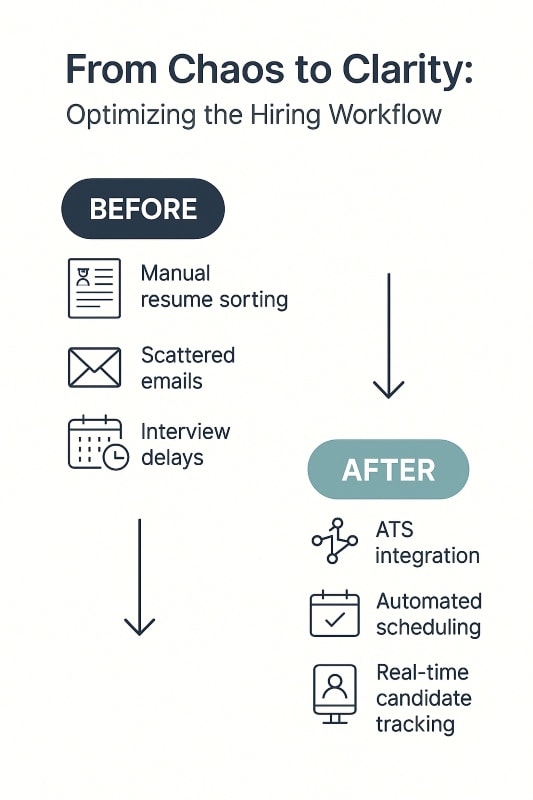
Top candidates won’t wait weeks for feedback or wrestle with unclear instructions. They expect a seamless experience—from first touchpoint to final interview. And if they don’t get it, they’ll move on. That’s not just a missed hire—it’s damage to your employer brand.
Streamlining the process also benefits your HR team. Automated reminders, centralized communications, and real-time tracking reduce administrative burden, freeing up recruiters to focus on what matters most: making better decisions, not just faster ones. Technology can also help prioritize jobs based on organizational needs, ensuring recruitment efforts are aligned with strategic priorities.
Hiring technology should never replace human judgment—but when used strategically, it enables it. Additionally, hiring remote employees can expand your talent pool and help overcome geographical limitations, giving you access to skilled candidates from around the world.
Stay Ahead: Leveraging Industry Trends in Hiring
In a fast-moving market, yesterday’s hiring strategy won’t solve today’s challenges—let alone tomorrow’s. To stay competitive, hiring leaders must actively monitor industry trends, shifting candidate expectations, and advancements in hiring technology.
Staying informed isn’t just about curiosity—it’s about strategic readiness. When hiring managers align their recruitment strategies with emerging trends, they’re better positioned to attract the best candidates and build a future-ready talent pipeline.
Modern tools—from applicant tracking systems to niche job boards and social recruiting platforms—help companies reach more diverse, targeted pools of high-quality candidates. They also improve speed, consistency, and visibility—critical assets in a hiring landscape where top talent moves fast.
But looking ahead is just as important as keeping up. By analyzing workforce data and anticipating future talent gaps, organizations can adjust their sourcing strategy before it becomes reactive. This forward-thinking approach reduces recruitment expenses, shortens time-to-hire, and creates a real competitive advantage in attracting and retaining the right people for your evolving business objectives.
Involve the Right People in Final Hiring Decisions
Hiring shouldn’t be a solo sport.
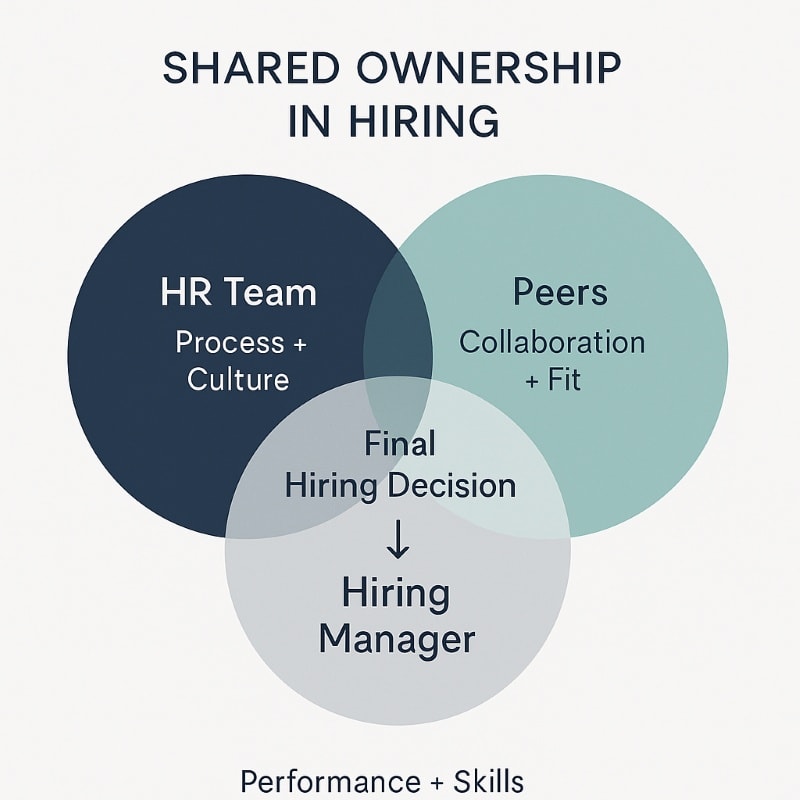
In high-performing companies, the final hiring decision isn’t made in isolation—it’s the result of a structured, cross-functional evaluation process. When hiring managers, the HR team, and potential peers all contribute to interviewing candidates, you reduce bias, improve decision quality, and increase buy-in from the very team the new hire will join.
This collaborative approach ensures that you’re not only evaluating skills and experience but also how the candidate interacts with different levels of the organization. It reveals how they might navigate real scenarios, communicate under pressure, or align with team values.
Consider how companies like Google use hiring committees to prevent any one person from making an emotionally-driven choice. Their philosophy is simple: great hires raise the standard for everyone. But to do that, you need more than one perspective in the room.
When hiring is treated as a shared responsibility, teams are more committed to the success of the person they helped bring on board. It also sets the tone for a culture of alignment, clarity, and accountability from day one.
Onboarding: The Bridge Between Hire and Retain
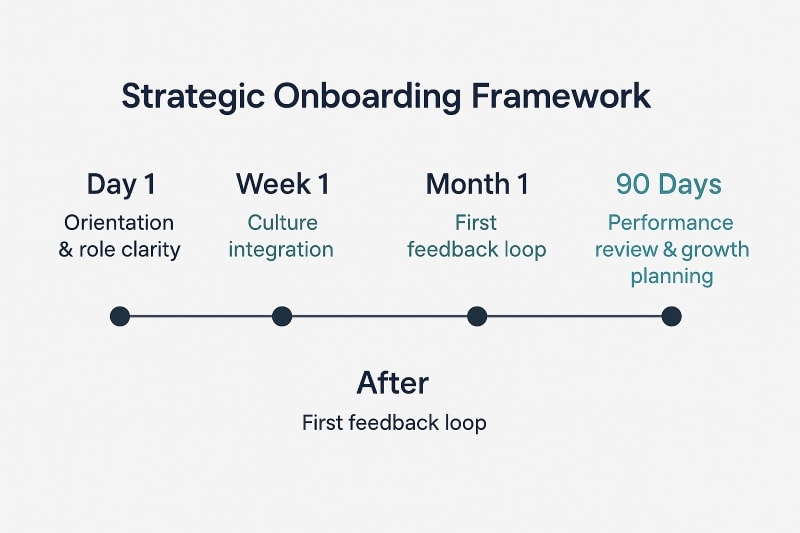
Hiring doesn’t end when the offer is signed—it ends when the new hire is fully integrated, aligned, and performing. That’s why a strong onboarding process isn’t optional. It’s essential. Effective onboarding helps new employees adapt, feel welcomed, and become productive members of the organization.
Done right, onboarding reinforces your company culture, accelerates productivity, and lays the groundwork for long-term engagement. Done poorly, it creates confusion, isolation, and early regret—which often leads to quiet quitting or early turnover.
The most effective onboarding programs go beyond logistics. They include:
- Clear role expectations linked to the company’s long-term goals
- Structured feedback loops to support early performance
- Mentorship and relationship-building across departments
When new hires understand not just what they’re doing, but why it matters, they become emotionally invested in the mission. This alignment fosters stronger performance and often inspires future employee referrals, creating a virtuous cycle of high-fit hires.
Strategic onboarding is more than a welcome packet—it’s the first step in preparing someone to contribute meaningfully to your company’s future growth.
Measure What Matters: Hiring Metrics and Analytics
A strategic recruitment process isn’t built on intuition—it’s built on data. When you consistently track the right hiring metrics, you gain the clarity needed to optimize your process, reduce waste, and make smarter decisions at every stage.
Key indicators like time-to-hire, cost-per-hire, candidate satisfaction, and quality of hire reveal how effective your current strategy really is. With the right applicant tracking systems, hiring managers can monitor each step—from resume screening and interview scheduling to final offer acceptance—and pinpoint where the process succeeds or breaks down.
Analytics also help you evaluate the true impact of your recruitment expenses. Are your best hires coming from referrals, job boards, or outbound sourcing? Is your strategic recruitment plan aligned with your long-term business goals?
By focusing on what drives outcomes—not just activity—you refine your talent pipeline, boost hiring efficiency, and build teams that move your organization forward. Data-driven hiring isn’t just a best practice. It’s how high-performing companies consistently turn recruitment into a business advantage.
Build a Hiring Process That Builds Your Business
Hiring isn’t just about filling roles—it’s about shaping the future of your company. From the first job post to the final onboarding meeting, your entire process sends a message: this is who we are, this is where we’re going, and this is who we want on the journey. Leveraging multiple channels to post jobs ensures you maximize candidate reach, streamline recruitment, and attract a diverse pool of talent.
The companies that consistently attract and retain the best talent don’t rely on guesswork. They build strategic hiring processes that align with their business goals, reflect their values, and anticipate the challenges ahead. They treat hiring as a long-term investment—not a short-term task.
If you’re serious about building high-performing teams and reducing costly turnover, now is the time to upgrade how you hire.
Test it today for free to see how OAD’s behavioral assessment platform can help you find the right people, reduce hiring risk, and build a team that drives your company’s long-term success.