Employee motivation is not a poster on the wall. It is the day-to-day result of role fit, management quality, workload design, and whether people feel valued for real. If you want a motivated workforce, you need systems that make it easier to do good work and harder to drift into confusion, resentment, or burnout.
This guide focuses on strategies to motivate workers that HR leaders, hiring managers, and executives can actually implement, measure, and maintain. It leans global (so it still works outside the US), but uses US-centric evidence where that’s what the research base offers.
Strategies to Motivate Workers: Who This Is For and What It Really Means
This article is written for three groups:
- HR leaders who need employee engagement and employee retention to move in the right direction, without launching another “initiative” that nobody trusts.
- Hiring managers and people leaders who are responsible for employee morale, performance, and day-to-day motivation.
- Executives who care about business success and the company’s success, and want leading indicators that show whether the organization is getting stronger or quietly decaying.
When people search “motivate employees” or “keeping employees motivated,” they usually mean one of four things:
- Energy and effort: employees continue working hard and bring focus to priorities.
- Commitment: engaged employees feel connected to the company’s mission and stay through normal friction.
- Performance consistency: fewer dips, fewer surprises, more reliable output.
- Retention: top talent does not jump ship because the environment is draining.
Connecting daily work to the company’s mission and the big picture is essential for fostering a sense of purpose and motivation, helping employees see how their efforts contribute to broader organizational goals.
It also helps to separate two engines of motivation:
- Intrinsic motivation: people feel ownership, competence, and purpose. They do good work because the work and the environment make sense.
- Incentive-driven motivation: people respond to rewards, targets, and consequences. Useful, but easy to misuse.
If you treat every motivation problem as an incentive problem, you tend to get short-term compliance and long-term cynicism. That pattern shows up in recognition research too: better recognition is linked with higher engagement and lower intent to quit, but the “how” matters, not just the existence of a program.

Aligning organizational goals with daily tasks helps staff understand the purposes behind their work, making motivation strategies more effective and meaningful.
Why Employee Motivation Matters for Business Success
Employee motivation is not a “nice to have.” It is a capacity issue. When motivation drops, you see it in slower execution, more rework, weaker customer outcomes, and rising employee retention risk. The organization pays twice: once in performance drag, and again when top talent leaves. Implementing effective strategies to motivate workers can have a positive impact on both employees and the company’s success, leading to improved engagement and organizational outcomes.
Turnover is the expensive, visible symptom. SHRM provides tools to calculate turnover cost because it adds up fast, even before you factor in lost knowledge and team disruption.
Burnout is the quieter, more common lead indicator. In a global McKinsey Health Institute survey (15 countries), one in four employees reported burnout symptoms on average. When you treat burnout like an individual weakness instead of a work design problem, you get a wellness program and the same attrition.
The practical takeaway for HR and executives: if you want a motivated workforce, fix the conditions that make sustained effort realistic. Creating a positive work environment can lead to better employee engagement, productivity, and retention, which ultimately improves a company’s bottom line.
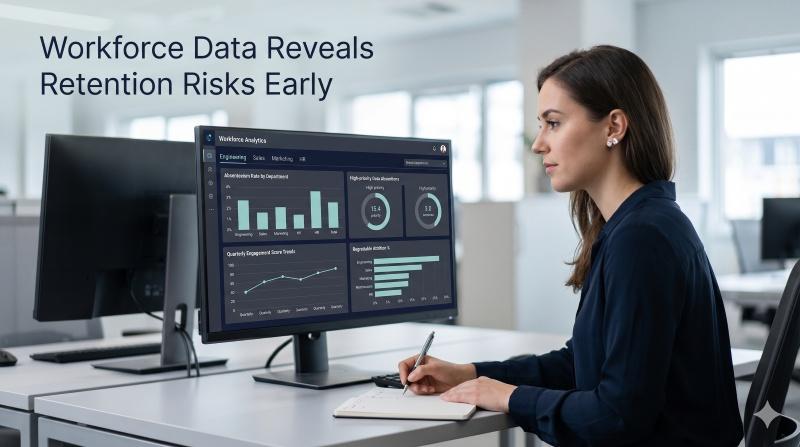
What to Measure: KPIs That Show Whether Employees Feel Valued
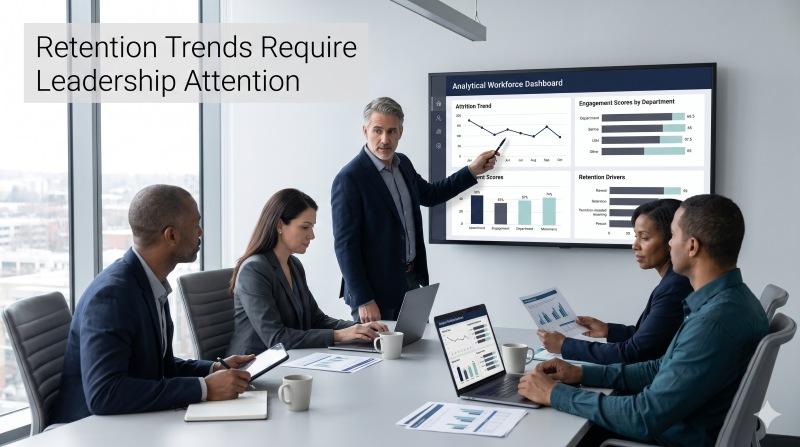
Most organizations measure motivation indirectly, then act surprised when nothing improves. In most organisations, the top answer employees give in surveys is a desire for greater clarity about organizational goals. Use a small set of leading indicators and stick with them long enough to see trends.
Employee engagement signals
- Pulse survey items tied to basics: clarity, resources, recognition, growth, manager support.
- Participation rates in surveys, learning, and internal initiatives.
- Manager one-to-one completion rate and quality checks (spot audits, not surveillance).
These indicators are relevant for most organisations.
Employee retention signals
- Regrettable attrition (top performers and high-potential exits).
- First-90-day attrition (often role fit + onboarding quality).
- Internal mobility rate (career advancement and employee growth reality check).
Operational signals
- Absenteeism patterns.
- Quality defects, rework, customer escalations.
- Cycle time and throughput (productivity that reflects focus, not panic).
A useful discipline: treat “employees feel valued” as measurable behavior, not sentiment. You should be able to point to what changed (feedback cadence, workload design, manager capability), not just that the vibe improved.
The 12 Most Effective Strategies to Motivate Workers
Each strategy below is written as a leadership strategy to help you motivate your employees effectively, designed to be implemented by managers and supported by HR, without turning into a multi-month theater production.
1) Create a Positive Work Environment People Want to Return To
A positive workplace environment is mostly operational hygiene. People stay motivated when work is doable, priorities are stable, and the basics are respected. Cultivating a supportive culture and prioritizing employee well-being in the workplace can prevent burnout and improve morale, contributing to a positive work culture that enhances motivation and satisfaction.
- Reduce friction: tools, staffing, and clear owners.
- Cut priority whiplash: fewer “urgent” pivots.
- Make problem-solving safe: blame kills initiative.
Example: If approvals take two weeks, stop asking for “more ownership.” Fix the bottleneck, then ask for initiative.
2) Connect Work to the Company’s Mission
Most employees do not need a dramatic purpose speech. They need a line of sight from their work to a meaningful outcome.
- Translate company goals into team goals, and regularly remind employees how their efforts contribute to the big picture and the organization’s overarching mission.
- Tie weekly work to customer impact or risk reduction.
- Use simple “why this matters now” framing.
Creating SMART (specific, measurable, actionable, relevant, and time-bound) goals for employees is an effective way to clarify expectations and help them see how their daily work connects to the company’s mission and the big picture.
Example: A finance team is more motivated when “close the books faster” becomes “free time to prevent errors and reduce audit risk.”
3) Improve Clear Communication and Manager Communication Skills
Confusion drains motivation faster than hard work. The fastest way to keep employees motivated is predictable communication. Communication skills are not only essential for managers but are also considered a critical ‘other skill’ for effective management and leadership, as mastering this skill enhances professional growth and organizational success.
- Weekly expectations: what “done” looks like.
- Blocker removal: what needs escalation.
- Trade-offs: what not to do this week.
Gallup’s engagement work is clear that engagement is not just perks. It is whether basic needs are met and people have a chance to contribute, belong, and grow. Communication is how those needs get translated into day-to-day reality.
Example: A 20-minute weekly check-in that prevents rework beats a quarterly “engagement initiative” every time.
4) Use Positive Feedback and Recognition That Doesn’t Feel Fake
Recognition works when it is specific and timely, and when it reflects real contribution. Generic praise feels like manipulation, so people ignore it. Regular feedback, including constructive criticism, helps guide improvement and motivates performance while fostering a positive work environment.
Evidence supports this. Longitudinal Workhuman and Gallup research found employees who received high-quality recognition were 45% less likely to have turned over two years later.
- Recognize behaviors that drive outcomes, not just outcomes.
- Keep it specific: what they did, why it mattered, who it helped.
- Use both manager recognition and peer recognition.
Employees want to be recognized by their colleagues when they do a good job, and a lack of recognition can destroy motivation. Having a recognition program builds a system of gratitude and reinforces the organization’s mission and values, further engaging staff.
Design teams with data, not gut feel.
Most org-design decisions come down to role fit, leadership style, and team dynamics. OAD reads those signals from a 7-minute behavioral survey, so you can reconfigure roles and teams with evidence instead of guesswork.
Example: “Your handoff notes reduced errors for the next team” beats “great job” because it reinforces a repeatable behavior.
5) Give Constructive Feedback Without Crushing Employee Morale
Keeping employees motivated does not mean avoiding hard conversations. It means doing them well, so performance improves without making people defensive.
- Focus on observable behavior and impact, not personality labels.
- Be direct about the standard, and specific about the gap.
- End with a clear path: what “good” looks like next time.
Example (simple script):
“When the update comes in late, other employees can’t plan their work. Starting this week, send it by 3 pm, even if it’s incomplete. Add a one-line risk note if something is blocked.”
6) Empowering Employees With Autonomy (Intrinsic Motivation With Guardrails)
Empowering employees increases intrinsic motivation when autonomy is real, not a trap. Allowing employees flexibility and autonomy—such as choosing how, when, and where they work—can foster a positive environment and boost engagement. Autonomy without boundaries turns into chaos and blame.
- Define decision rights: what team members can decide alone vs escalate.
- Create “safe-to-try” space: small experiments with clear limits.
- Protect focus time so autonomy is possible.
Research suggests that workers who experience higher levels of workplace autonomy report higher levels of job-related well-being, including increased flexibility in work location, schedule, and task management. Organizations that support employee autonomy see significant improvements in job satisfaction, creativity, and performance.
Example: Give a customer support lead authority to change macros and workflows without approvals, but require a weekly metric check (resolution time, customer satisfaction).
7) Create a Clear Path for Career Advancement and Employee Growth
Career advancement and growth opportunities are among the fastest ways employees feel valued. Vague promises do the opposite.
- Publish role expectations and the skills needed to progress.
- Use professional goals that map to real work, not abstract development plans.
- Make internal mobility visible and accessible.
Investing in professional development, such as training workshops and mentoring, can increase job satisfaction. Offering mentorship opportunities can motivate employees to perform at a higher level, encouraging them to ask questions and set advanced goals.
Example: A “clear path” can be a one-page rubric: skills, behaviors, and sample projects that show readiness for the next level.
8) Offer Learning Opportunities That Build New Skills (Not Random Training)
Learning opportunities work when they are role-based and applied. Random courses rarely change behavior. Supporting employees’ personal goals alongside team objectives is crucial, as acknowledging individual aspirations can significantly boost motivation and overall productivity.
- Build role-specific learning paths tied to performance outcomes.
- Use short practice cycles: learn, apply, reflect, repeat.
- Use cross training when it expands capability, not when it just plugs staffing gaps.
Example: Cross training can increase motivation in operations when it reduces monotony and creates backup coverage. It backfires when it becomes unpaid extra responsibility with no recognition.
9) Improve Work Life Balance to Protect Well Being and Performance
Work life balance is not a perk. It is a sustainability requirement. People cannot sustain peak performance if recovery is optional.
- Fix workload design: capacity planning, staffing, and meeting hygiene.
- Protect personal time: predictable off-hours norms, realistic deadlines.
- Encourage paid time off usage with leadership modeling, not guilt.
Example: If managers send messages at 10 pm, employees understand the real norm, regardless of policy. Set a default delayed-send norm unless it’s urgent.
10) Design an Incentive Program That Drives the Right Behaviors
An incentive program can increase motivation, but it can also distort behavior if you reward the wrong thing. Involving employees in goal setting is crucial to ensure incentive programs are effective and aligned with organizational objectives, as clear goals enhance engagement and performance.
- Make targets measurable, fair, and transparent.
- Reward outcomes and quality, not just speed or volume.
- Watch for unintended behavior (gaming, conflict, short-term thinking).
Incentives work best when they support a clear system, not replace one. If the job is unclear, incentives just increase anxiety.
Example: Sales incentives that reward closed deals without quality controls can increase churn. Add guardrails: retention, customer fit, and complaint thresholds.
11) Strengthen Strong Relationships and Employee Engagement on Teams
Motivation is social. Strong relationships reduce friction, improve communication, and make hard work feel shared instead of isolating. Building engagement and strong relationships can have a positive impact on team performance and morale.
- Build simple team rituals: weekly priorities, fast retros, clear ownership.
- Address conflict early with constructive feedback and clear standards.
- Train emotional intelligence for managers where it affects performance (feedback, conflict, recognition).
Example: A 10-minute “what’s blocking us” segment each week prevents simmering frustration that kills employee morale.
12) Fix Role Fit Problems That Look Like “Low Motivation” (OAD Angle)
Some “motivation” problems are mismatch problems. A person contributes less when the role drains them, conflicts with their strengths, or demands traits they do not naturally sustain.
- Look for patterns: who thrives in which role types, under which manager styles.
- Separate skill gaps (trainable) from trait-role mismatch (harder to fix).
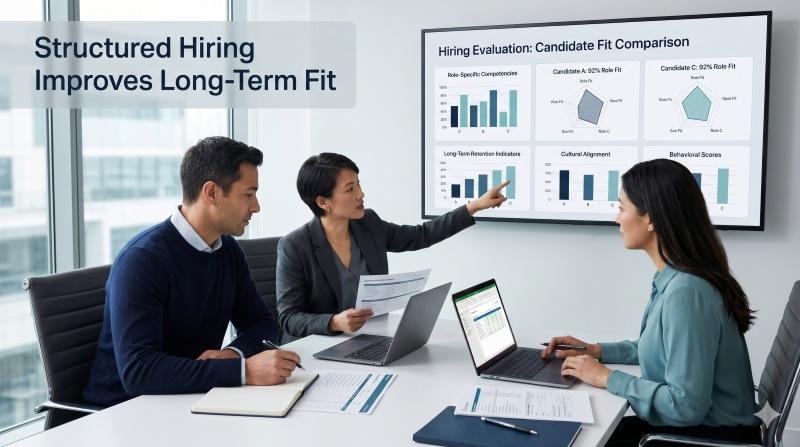
- Use structured data, not gut feel, to place people for better performance.
Design teams with data, not gut feel.
Most org-design decisions come down to role fit, leadership style, and team dynamics. OAD reads those signals from a 7-minute behavioral survey, so you can reconfigure roles and teams with evidence instead of guesswork.
Example: If a role requires high social stamina and constant persuasion, a candidate who prefers deep solitary work may appear “unmotivated” over time, even if they work hard.
Using a scientifically validated assessment helps organizations match people to roles and team environments where intrinsic motivation is more likely to sustain.
Common Mistakes That Kill Employee Motivation (Even in “Nice” Companies)
A lot of organizations try to motivate employees by adding perks, then wonder why the same issues return.
- Perks over fundamentals: snacks do not fix unclear priorities, bad workload design, or weak managers.
- Treating everyone the same: human motivation varies by role, team, and person. One-size programs miss most employees.
- Confusing activity with engagement: running engagement events is not the same as engaged employees changing behavior.
Keeping Employees Motivated in Remote or Hybrid Teams
Remote and hybrid work can support work life balance, but it can also hide disengagement until employees jump ship. Fostering connection and a sense of belonging in the remote or hybrid workplace is crucial for maintaining motivation and collaboration among team members.
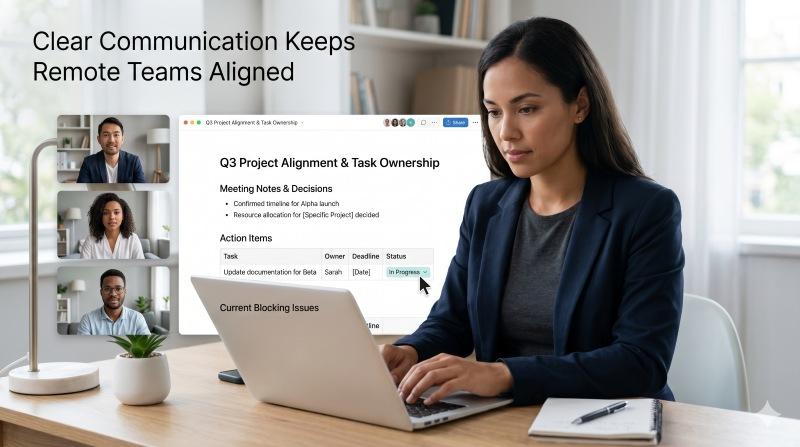
- Create communication norms: response expectations, meeting rules, and decision documentation.
- Build connection without forced fun: small, purposeful touchpoints.
- Measure engagement with trust: short pulses and manager check-ins, not surveillance.
Example: A weekly written update with priorities and blockers reduces misalignment and strengthens clear communication across time zones.
FAQ: People Also Ask About Employee Motivation
How do you motivate employees without money?
Start with what actually drives intrinsic motivation: clarity, autonomy, progress, and belonging.
- Clarify expectations: employees understand what success looks like this week, not “sometime this quarter.”
- Remove friction: tools, staffing, and decisions get unblocked fast.
- Increase autonomy with guardrails: empowering employees works when decision rights are clear.
- Make progress visible: show how a person contributes to outcomes, not just tasks.
- Recognition that is real: specific, timely positive feedback linked to impact is a powerful motivator and supports retention. High-quality recognition has been linked with lower turnover over time.
What are the best ways to improve employee engagement quickly?
Fast improvements come from tightening basics, not launching a program.
- Fix role clarity and priorities (clear communication).
- Improve manager cadence (weekly check-ins, blocker removal).
- Address workload hotspots that crush work life balance.
- Add one visible recognition habit and make it consistent.
Gallup’s engagement framing is simple: engagement rises when basic needs are met and people can contribute, belong, and learn and grow.
How do you create a positive work environment?
A positive work environment is designed. It is not a mood.
- Fairness: consistent standards, transparent decisions, predictable consequences.
- Psychological safety: people can raise problems early without getting punished.
- Sustainable work: staffing and capacity reflect reality, not fantasy.
- Manager quality: leaders who can give constructive feedback and set clear expectations.
If your “culture” depends on a few charismatic managers, you do not have a culture. You have a lottery.
What causes low employee morale?
Most morale issues are not mysterious. They are patterned.
- Unclear priorities and constant changes.
- Poor communication and inconsistent feedback.
- Perceived unfairness (pay, workload, promotions, recognition).
- Burnout from unsustainable work.
In a McKinsey Health Institute global survey of nearly 15,000 employees across 15 countries, about one in four reported burnout symptoms.
How do you motivate a team when they’re burned out?
Stop trying to “inspire” them. Reduce load and restore control.
- Cut or pause low-value work.
- Reset priorities to a smaller set.
- Rebalance staffing and deadlines.
- Create protected focus time and enforce personal time norms.
- Rebuild trust through clear communication and practical support.
Burnout is often a work design failure. Treat it like one.
How do you measure employee motivation and engagement?
Measure what people experience and what they do.
- Experience: short pulse items on clarity, recognition, growth, manager support.
- Behavior: absenteeism, participation, internal mobility, quality, productivity.
- Outcomes: regrettable attrition and early-tenure exits.
Use trends. One data point is just noise wearing a spreadsheet costume.
Conclusion: A Practical 30–60–90 Day Plan to Keep Employees Motivated
Employee motivation improves when you stop treating it like a mystery and start treating it like a system.
Days 1–30: Pick the levers and set baselines
- Choose 3 levers (example: manager communication cadence, recognition quality, workload hotspots).
- Baseline KPIs (engagement pulses, absenteeism, regrettable attrition, time-to-productivity).
- Identify two teams to pilot changes.
Days 31–60: Execute small changes with visible management habits
- Weekly check-ins with clear priorities and blocker removal.
- One recognition habit that is specific and timely.
- One workload fix that reduces chronic overload.
Days 61–90: Scale what works and remove what doesn’t
- Expand to more teams based on KPI movement.
- Train managers on constructive feedback and clear communication.
- Lock in operating rhythms so the gains do not disappear next quarter.
Test OAD (Make Motivation Measurable, Not Guesswork)
Many “motivation” problems are actually fit problems: role mismatch, manager mismatch, or team dynamic mismatch. When people are placed where they can use their strengths, employee engagement and employee retention become easier to sustain.