Every hiring decision shapes your company’s future — yet too many organizations rely on gut instinct, outdated processes, or vague job descriptions. If you want to attract top talent, reduce turnover, and build high-performing teams, it’s time to take a strategic, data-driven approach to hiring.
Hiring Best Practices: From Job Description to Success Profile
Most job descriptions fail before they even reach the applicant. They list duties, not outcomes. And in doing so, they attract candidates who are looking for tasks—not top performers driven by results.
A success profile should also clearly outline candidate requirements, including essential skills and qualifications, to ensure you attract applicants who are truly suited for the role.
To improve your hiring process, start by shifting from task-based job descriptions to success profiles. A success profile clearly defines what great performance looks like in the role. Instead of saying, “Manage company social media,” say, “Build a social media presence that increases qualified leads by 30% within six months.” This sets clear expectations and filters in results-oriented applicants.
Why does this matter? Because top candidates are evaluating your job posting just as much as you’re evaluating their résumé. They want to know: Will I make an impact here? Will my work be recognized?
When you focus on outcomes, not checklists, you’re signaling that your organization values performance, growth, and clarity. This approach also helps attract a broad range of candidates with diverse qualities and perspectives. That’s exactly what high performers are looking for—and it’s how you begin attracting them from the very first touchpoint.
Build a Strong Employer Brand That Attracts Top Talent
The best candidates aren’t just looking for a job — they’re evaluating your company just as critically as you’re evaluating them. And in today’s competitive hiring landscape, your employer brand can make or break your ability to attract the right talent.
A strong employer brand goes beyond perks and pay. It’s how current and former employees talk about your culture, your leadership, and your values. According to Glassdoor, 86% of job seekers research company reviews and ratings before applying. If your online presence tells a compelling story — one that aligns with purpose, people, and professional growth — you’ll naturally draw in more engaged, mission-driven applicants. A compelling employer brand also helps attract and engage prospective employees who are evaluating your company.
This is especially powerful when it comes to passive candidates — high performers who aren’t actively job hunting but are open to the right opportunity. They’re not scrolling job boards. They’re watching your culture unfold on LinkedIn, Glassdoor, and even Instagram.
By consistently sharing what it’s like to work at your company — through employee testimonials, team spotlights, and real stories of impact — you position your organization as one worth joining. Sharing authentic stories and testimonials can influence potential employees’ perceptions and increase their interest in your organization.
Leverage Technology to Streamline Your Recruitment Process
In a hiring landscape that moves fast, relying on manual systems can slow you down — or worse, cause you to miss out on qualified candidates. That’s why today’s most effective hiring teams use technology to bring structure, speed, and precision to every stage of the recruitment process.
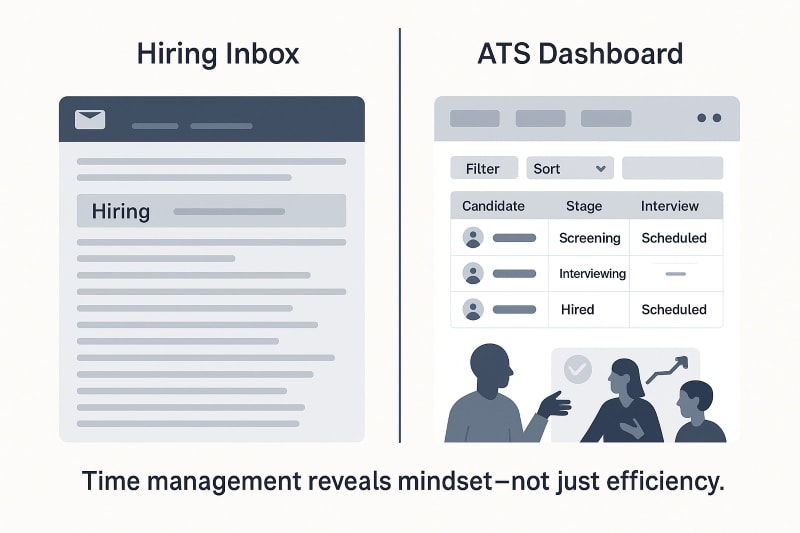
An applicant tracking system (ATS) allows hiring managers to centralize everything: job postings, résumés, candidate communication, and interview scheduling. With one platform, you gain better visibility into the pipeline — and ensure that no strong job candidates fall through the cracks.
Tools like video interviewing platforms add another layer of efficiency. They make it easier to evaluate potential candidates across multiple locations, keep interviews moving when calendars don’t align, and reduce overhead without sacrificing quality.
And tech isn’t just about speed — it’s also about fairness. Features like blind résumé review help reduce unconscious bias by removing names and photos during early screening. This creates a more equitable candidate experience and opens the door to more diverse, high-performing teams.
When you use technology intentionally, you’re not just optimizing workflows — you’re building a recruitment engine that’s fast, fair, and built to scale.
Use Structured Interviews and Behavioral Questions
Unstructured interviews may feel natural — but they’re also one of the least reliable predictors of job performance. Research published in Personnel Psychology shows that structured interviews are up to twice as effective at identifying high-performing candidates compared to informal ones. A well-defined interview process ensures consistency and fairness throughout all stages of hiring.
Structured interview questions are designed to assess key competencies and job requirements. Every candidate is evaluated against the same criteria, which improves both fairness and hiring accuracy. Instead of asking “Tell me about yourself,” you might ask, “Can you share a time when you had to resolve a conflict within a team under tight deadlines?”
This approach doesn’t just reduce unconscious bias — it helps uncover deeper insights about how a candidate thinks, behaves, and solves problems in real-world scenarios. You’re no longer guessing based on a résumé or a good first impression; you’re evaluating candidates based on data. Evaluating candidates with objective criteria during interviews leads to better hiring outcomes.
Top companies like Amazon and Google use structured interviews as a cornerstone of their hiring process. If you want to compete for top talent, you need to apply the same level of rigor.
Embrace Pre-Employment Assessments to Predict Fit
Resumés can tell you where a candidate has been — but they rarely tell you who they are. That’s why many companies now rely on pre-employment assessments to uncover deeper indicators of success, especially for roles where mindset and behavior matter just as much as skills. Skill tests are valuable tools for objectively measuring both technical and soft skills early in the recruiting process.
The best assessments go beyond basic personality quizzes or technical tests. They measure critical traits like emotional intelligence, decision-making style, and how a candidate responds under pressure. These insights allow hiring managers to evaluate not just qualifications, but potential, culture fit, and long-term contribution. Assessments also help determine whether a candidate’s skill set aligns with the role’s requirements and company culture.
That’s where tools like the OAD Assessment come in. This scientifically validated instrument provides a behavioral snapshot of each candidate — revealing whether they thrive in fast-paced environments, prefer structure or autonomy, and how they collaborate with others. When paired with structured interviews, it gives you a powerful, 360-degree view of each applicant.
Companies that use behavioral assessments don’t just reduce hiring mistakes — they also improve team performance and retention. Using assessments helps avoid hiring based on gut feelings or biases, leading to more reliable outcomes. Instead of hiring based on gut feel, you’re making confident, data-informed decisions.
Design a Repeatable, Scalable Hiring System
A great hire shouldn’t depend on who’s running the interview or how much time the hiring manager has that week. Yet in many companies — especially those growing fast or operating across multiple locations — hiring remains inconsistent, reactive, and overly dependent on individual judgment. Standardized hiring processes help ensure consistency and fairness across the organization.
That’s where a scalable, repeatable hiring process makes all the difference. It allows your team to make better decisions faster, reduce bias, and create a consistent candidate experience from the first job post to the final offer. A well-structured hiring and recruitment process is essential for building effective teams.
At a minimum, your process should include:
- A clear job posting and success profile
- Pre-screening or phone interview
- Structured interviews with defined evaluation criteria
- A behavioral or skill-based assessment
- Final team review and offer protocol
- A documented onboarding process for post-hire success
- Regularly review the recruiting process to ensure it aligns with evolving business needs
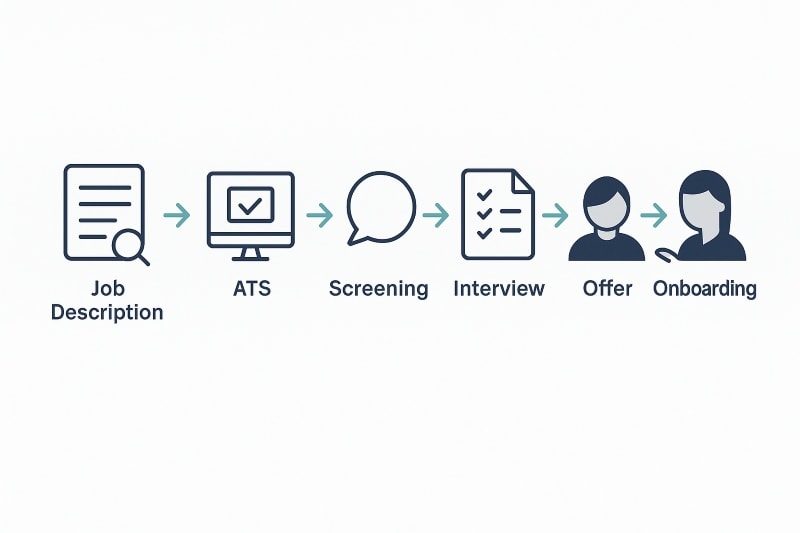
Leveraging an applicant tracking system (ATS) can help standardize these steps, ensure compliance, and improve communication between recruiters and hiring managers. This is particularly valuable when hiring across departments or regions. A clear selection process helps assess both skills and cultural fit, leading to better hiring decisions.
The more predictable your system becomes, the easier it is to scale — without sacrificing the quality of your hires.
Ensure Compliance and Fairness at Every Stage
A fair, consistent, and compliant hiring process isn’t just about avoiding legal risks — it’s about building trust with potential candidates and reinforcing your employer brand.
Start with the fundamentals: Write job descriptions and job postings that are inclusive, clear, and free from exclusionary language. Make sure hiring managers are trained to recognize and reduce unconscious bias, so every applicant is assessed based on capability, not background.

Compliance also means staying aligned with relevant labor laws — from equal opportunity regulations to fair wage disclosure and accessibility requirements. When job applicants feel respected and evaluated consistently, they’re far more likely to view your company as a place they want to work, even if they don’t get the offer.
Beyond the legal and ethical implications, fairness drives employee engagement. A transparent, equitable selection process signals to current and future employees that your organization takes its values seriously — and that’s a powerful recruiting advantage.
Conduct Background Checks and Verify Qualifications
Before extending a final offer, it’s critical to verify that your new employees are exactly who they say they are — and that they meet the standards your business requires. A thorough background check helps confirm employment history, educational credentials, and professional licenses, while also screening for any red flags that could compromise your team or work environment.
This isn’t about distrust — it’s about due diligence. Verifying a candidate’s background protects your company, ensures compliance with safety and regulatory standards, and reinforces the integrity of your hiring process.
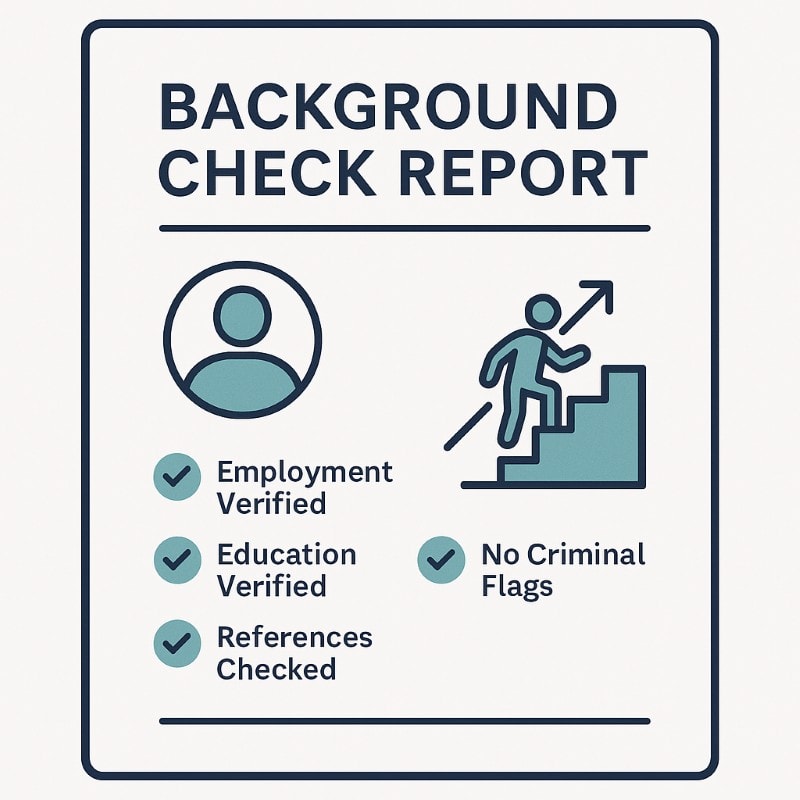
It also sends a message: that your organization takes every hire seriously, and that trust, professionalism, and security aren’t negotiable. In a world where workplace risk is real — from data access to physical safety — careful vetting helps you build a team that’s not just qualified, but reliable.
Involve Your Team to Improve Cultural Fit Decisions
Hiring isn’t a solo decision — nor should it be. When you include future teammates and cross-functional colleagues in the hiring process, you gain a more well-rounded view of each candidate. Involving a diverse team in interviews helps level the playing field and promotes fairness in hiring decisions by reducing bias and ensuring equal opportunity for all applicants. You also create early buy-in, which increases the chances that your new hires will be set up for long-term success.
This goes beyond collecting vague impressions. Involve team members in structured peer interviews focused on values, collaboration style, and communication preferences. Ask questions like, “How do you handle competing priorities when working with multiple departments?” or “Describe your ideal team environment.” These conversations reveal alignment with your company’s culture and working style — something résumés can’t show.
Leaders like Howard Schultz, former CEO of Starbucks, have long emphasized hiring for attitude and alignment over technical perfection. A candidate who collaborates well and shares your company’s values can often outperform a more “qualified” candidate who lacks cultural fit.
Team involvement also reinforces accountability. When your people help select a new colleague, they’re more invested in that person’s success.
Tap into Employee Referrals and Promote Internal Mobility
Sometimes your best recruiting assets are already on the team. Employee referrals consistently outperform other sourcing methods when it comes to finding highly qualified candidates who fit both the role and the culture. When a current employee recommends someone, they’re putting their reputation on the line — and that level of trust tends to yield stronger, more committed hires.
Internal mobility is another often-underused strategy that can deliver outsized results. Encouraging employees to explore new job opportunities within your organization helps you retain top performers, fill open positions faster, and reduce ramp-up time. It also shows your people that growth is possible without needing to leave.
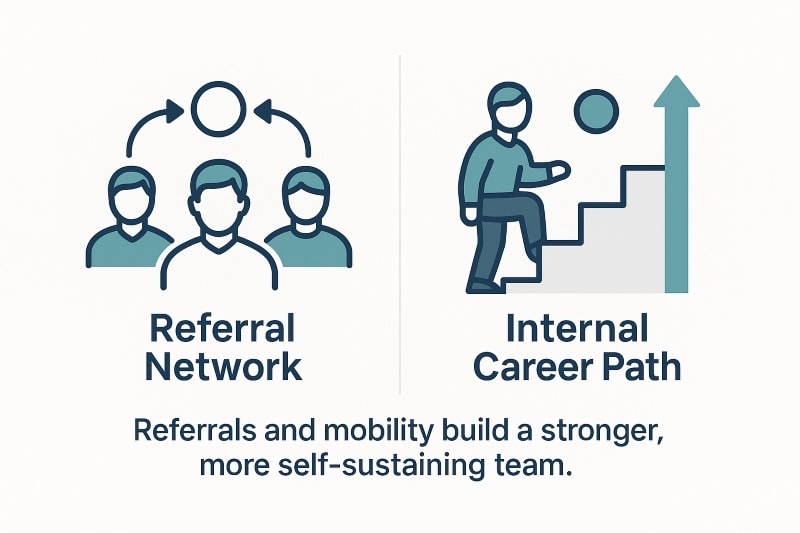
Together, a well-run referral program and a culture of internal mobility build loyalty, improve employee retention, and reduce the need for constant external recruitment. You’re not just hiring — you’re growing from within, with the support of a team that’s actively invested in your success.
Optimize the Offer: More Than Just Salary
In a tight talent market, the best candidates often have options — and salary alone won’t close the deal. Candidates are frequently presented with multiple job opportunities, making it essential to differentiate your offer. Today’s job seekers are evaluating the entire employee experience, from career growth to flexibility to how aligned your company is with their values.
That’s why your job offer needs to reflect more than just compensation. Be transparent about the salary range early, but also emphasize what sets your company apart:
- Clear development paths
- Mentorship and learning programs
- Flexibility and work-life balance
- A supportive team culture
- Opportunities for impact
If you’re offering competitive salary but not talking about growth, you’ll lose top candidates to companies that are. In fact, a LinkedIn study found that 94% of employees would stay longer at a company that invested in their learning and development.
And remember: a great offer isn’t just about closing a candidate. It’s about setting the tone for retention, engagement, and future leadership.
Deliver a World-Class Onboarding Experience
Hiring doesn’t end when a candidate accepts the offer — that’s where it begins. A weak or rushed onboarding process is one of the fastest ways to lose new hires or delay their impact. In contrast, a thoughtful onboarding experience builds connection, confidence, and early momentum.
Your onboarding should do three things:
- Reinforce your culture — through shared values, rituals, and internal language.
- Equip each new employee — with the tools, access, and information they need to succeed.
- Build early relationships — with peers, mentors, and key stakeholders.
Companies with structured onboarding programs see 62% greater new hire productivity and 50% higher retention, according to SHRM. That’s not a small lift — that’s a strategic advantage.
The first 90 days are make-or-break. Use that time to communicate expectations clearly, celebrate early wins, and make your new hire feel like part of the team — not just someone filling a role.
Measure, Refine, and Learn from Every Hire
Every hiring decision is an opportunity to get better — but only if you’re measuring what matters. Too often, companies move on the moment a candidate is hired, without assessing whether the process worked, what could be improved, or how the new hire is performing six months in.
Start by tracking key hiring metrics:
- Time to fill and time to hire
- Source of hire (job boards, referrals, social, etc.)
- Quality of hire (based on performance reviews or manager feedback)
- Retention rates at 6 and 12 months
- Candidate satisfaction with the interview experience
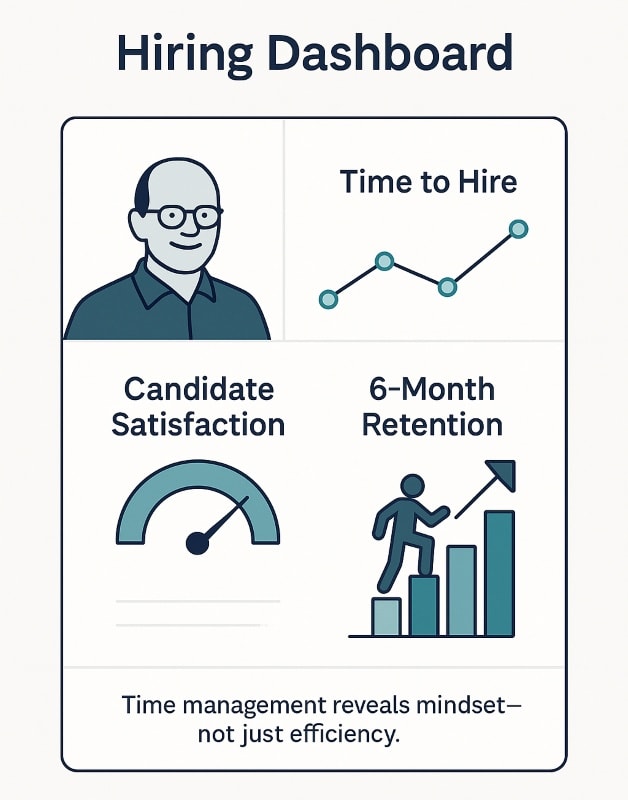
Collect feedback from both successful job candidates and those who dropped off. What did they love? Where did they feel stuck or disengaged? Insights like these help you refine your process and improve your employer brand in the long run.
Companies that treat hiring as an iterative process — not a fixed one — build stronger teams over time. You don’t have to overhaul everything at once. Small adjustments, informed by real data, lead to smarter decisions and better results.
For more insights, consider exploring expert opinions, industry surveys, and employer brand audits from peer organizations to further improve your hiring practices.
The Long Game: Retain, Rehire, and Refer
The best hiring strategy doesn’t stop at the hire. It looks ahead — months, even years — to how you retain top talent, re-engage former employees, and build referral pipelines that keep delivering strong candidates.
Employees who feel supported, challenged, and connected to your mission are far more likely to stay — and even more likely to bring others with them. That’s why employee referral programs remain one of the most effective and cost-efficient sourcing channels. They produce faster hires, better culture fit, and higher retention. Referral programs also help identify job applicants who are likely to be a strong fit for your organization.
But don’t stop there. Stay in touch with standout former employees and past finalists. Staying connected with each job applicant and past finalists can help you fill future jobs more efficiently. These individuals already understand your business, and with the right timing or new roles available, they might be your next best hire.
This long-game mindset turns hiring into a talent ecosystem — not just a funnel. Instead of scrambling to fill open positions, you’re consistently drawing from a network of known, trusted, high-potential candidates.

Final Thoughts: Hiring as a Strategic Advantage
In today’s competitive market, hiring isn’t just an HR function — it’s a core business strategy. Effective talent acquisition and recruitment practices are essential for building a high-performing organization. The companies that win don’t just fill roles. They attract the right talent, align them with the mission, and retain them long enough to make a meaningful impact.
By applying these hiring best practices — from structured interviews and behavioral assessments to thoughtful onboarding and long-term talent cultivation — you create a hiring process that fuels growth, not churn.
And if you’re ready to take it even further, we can help.