Hiring delays cost you top talent and rushed decisions lead to bad hires. This guide shows you a faster, smarter way to find the right fit without compromising quality or culture.
Why Streamlining the Hiring Process Works Better Than Traditional Methods
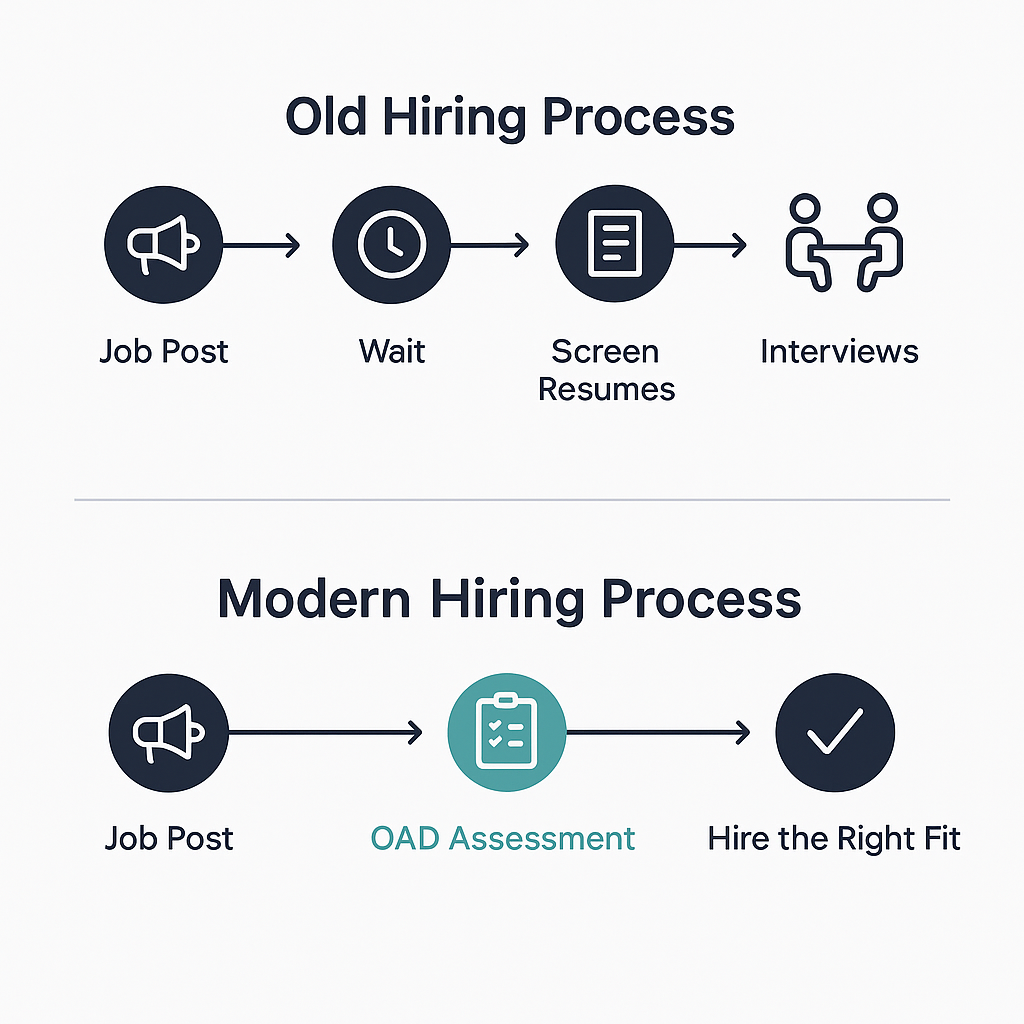
Most companies are still hiring like it’s 2010—posting a job, waiting for resumes, and dragging candidates through a weeks-long gauntlet of interviews and email threads. That might’ve worked when talent pools were overflowing and attention spans were longer, but today’s job market moves fast.
Top candidates are off the market within days. Delays in scheduling interviews or providing feedback often result in missed opportunities, lower offer acceptance rates, and increased time to fill.
Worse, these drawn-out hiring cycles can frustrate your internal teams. Managers and department heads are pulled into unnecessary meetings, HR is buried in admin work, and business-critical roles stay vacant longer than they should.
There’s also the cost of misalignment. When hiring decisions are made without a clear framework, teams rely on gut instinct or surface-level impressions. Aligning hiring decisions with the organization’s culture, core values, and company’s mission is essential to avoid costly mismatches and ensure new hires support long-term growth. The result? Candidates who check the boxes on paper but ultimately don’t perform—or worse, disrupt your team dynamics.
Modern hiring isn’t about working harder. It’s about working smarter—with better tools, clearer expectations, and data-backed decision-making from day one.
Understanding the Current State of Hiring
The modern hiring process isn’t just more competitive—it’s more unforgiving. With top-tier talent off the market in days, relying on outdated recruitment strategies can cost you both time and qualified candidates.
To stay ahead, companies must rethink every stage of the recruitment process—from the job description to final interviews. That means identifying bottlenecks, tracking candidate drop-off rates, and streamlining the steps that no longer serve your goals.
Expanding your reach through job boards, employee referrals, and social media platforms can help attract potential candidates—but reach alone isn’t enough. Efficiency is the new differentiator. Tools like AI recruiting software and modern recruiting software automate key tasks like screening candidates and interview scheduling, significantly reducing your time to hire.
When you continuously analyze and optimize your hiring process, you create a system that not only moves faster but also delivers a stronger candidate experience. The result? A recruitment process that attracts top talent, improves decision-making, and helps you build high-performing teams—without the wasted time.
What a Streamlined Hiring Process Looks Like Today
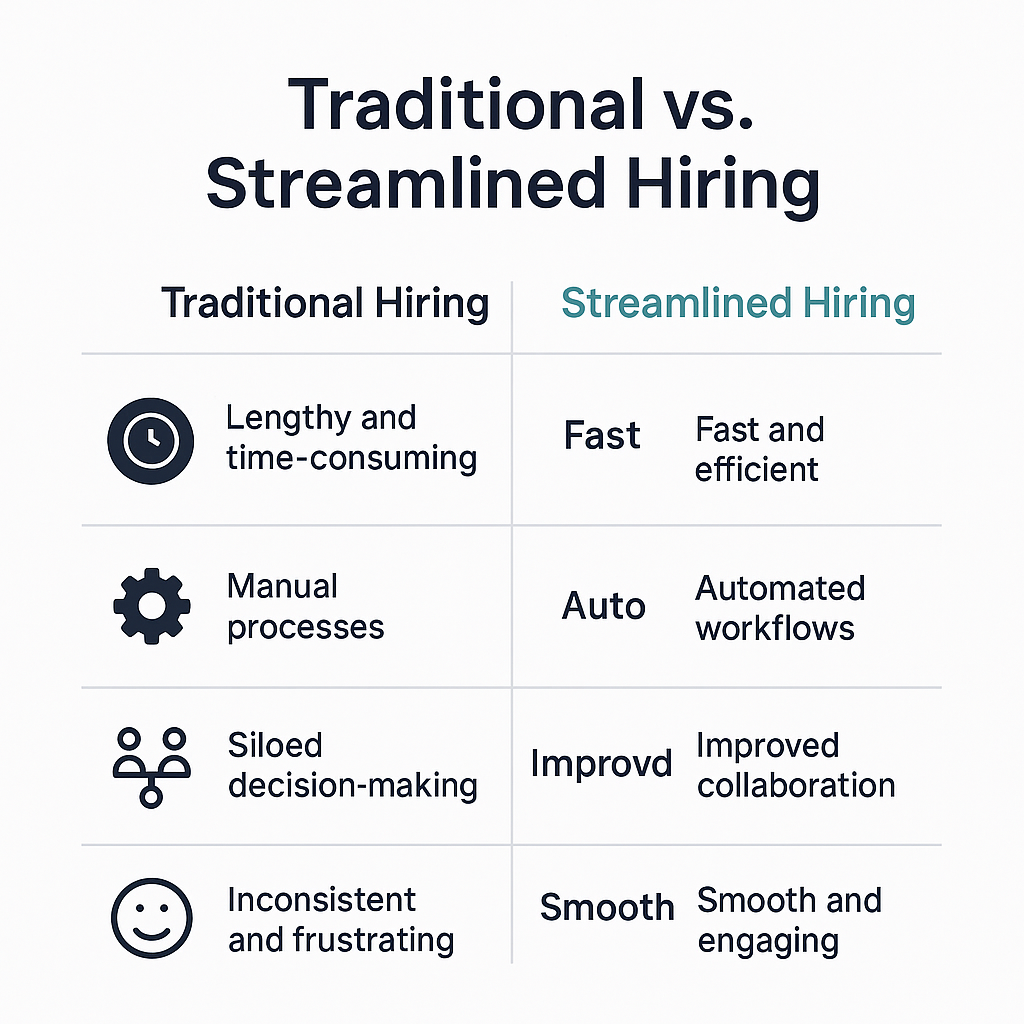
A streamlined hiring process isn’t just about cutting steps—it’s about eliminating the ones that don’t add value. The goal is to move fast while staying accurate, making more informed hiring decisions with fewer roadblocks.
In this modern approach, hiring teams work from a shared playbook. Everyone—from HR to department heads—knows what the role requires, how candidates will be assessed, and what the timeline looks like. There’s less confusion, fewer delays, and better alignment across the board. A collaborative decision making process is central to a streamlined recruitment process, ensuring business leaders remain involved in selecting candidates while professionals handle the time-consuming tasks.
Instead of reacting to open roles in panic mode, companies plan ahead using internal data and workforce trends. That shift from reactive to predictive hiring allows for smoother budgeting, resource allocation, and succession planning.
Technology plays a big role, too. From AI recruiting software to automated interview scheduling, modern tools save time, reduce bias, and help hiring managers focus on what matters most: choosing the best person for the job.
Step 1 – Create Clear, Compelling Job Descriptions
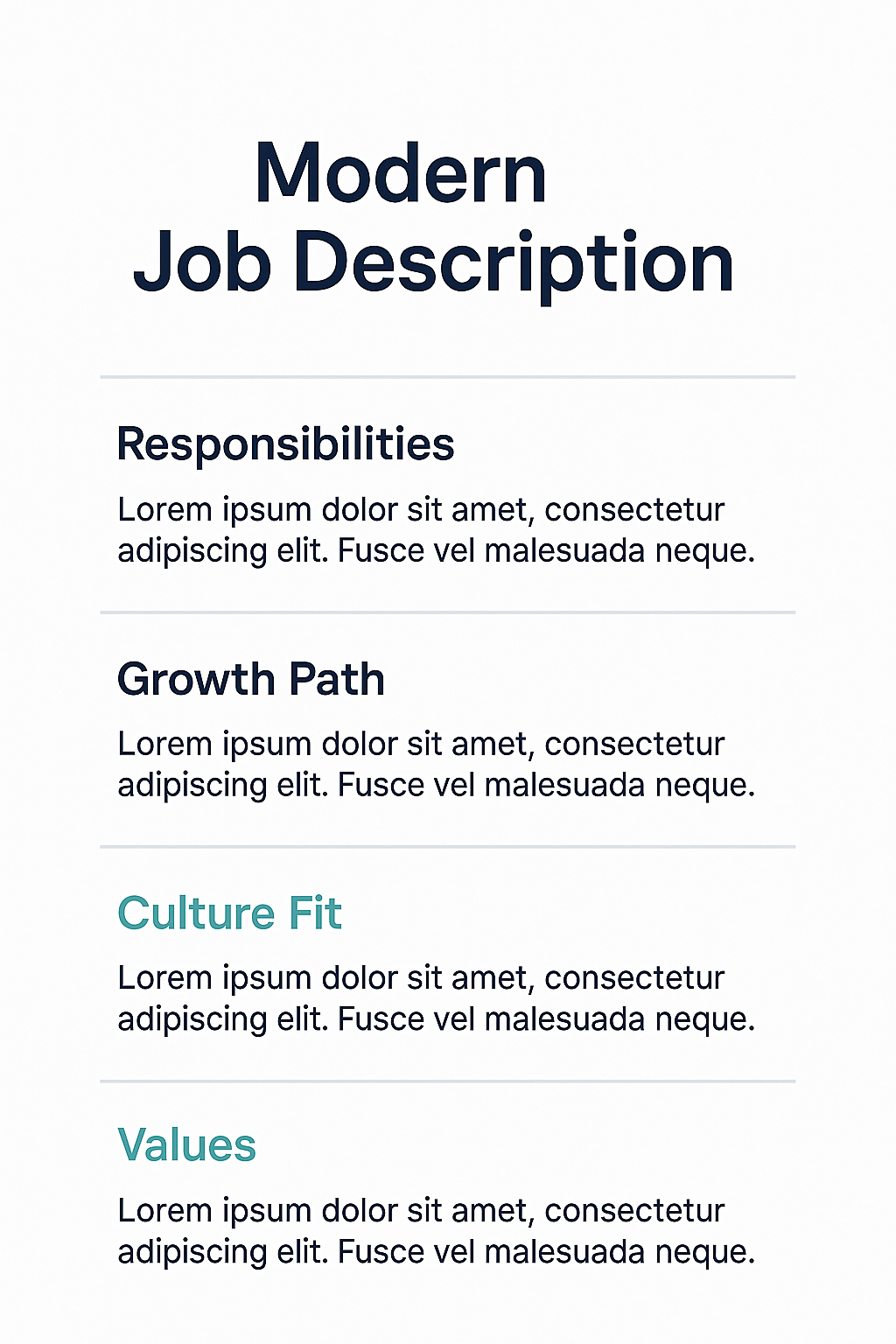
Most job descriptions read like a laundry list of tasks and buzzwords. But today’s top candidates aren’t just looking for duties—they’re evaluating whether your company aligns with their values, goals, and growth trajectory.
A compelling job description starts with clarity. Clear job descriptions help attract candidates who are aligned with your company’s mission and culture, increasing the likelihood of finding applicants who are a strong fit. Go beyond the generic bullet points and explain what success looks like in the role. Be specific about the specific skills and traits needed to thrive—not just technical abilities, but also personality attributes that match your team dynamics.
This is also your first chance to communicate your employer brand. Showcase your company’s mission, values, and culture in a way that resonates with high-performing candidates. Help them picture what it’s like to work with your team—not just what they’ll do day to day.
Don’t forget to highlight soft skills like adaptability, communication, or problem-solving. These are often the traits that make the difference between a good hire and a great one.
When done right, your job description becomes a filter. It attracts the right candidates and repels the wrong ones—saving your team valuable time from the very beginning.
Step 2 – Build a Smarter Candidate Screening Process
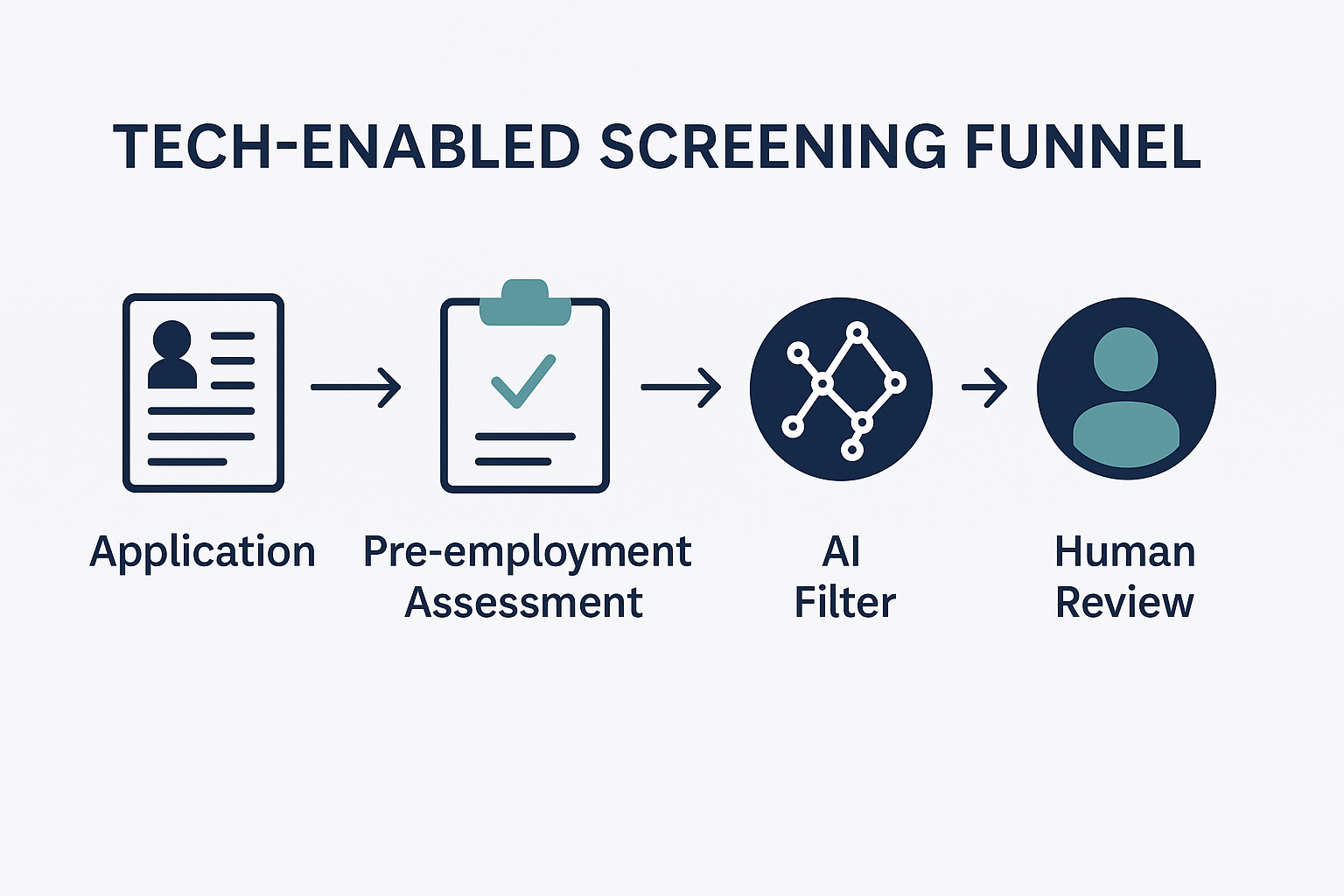
Screening candidates shouldn’t feel like searching for a needle in a haystack. If you’re still manually scanning resumes, you’re wasting time and missing out on top-tier talent that could be filtered automatically.
Start by defining your screening criteria before applications even come in. This includes both technical requirements and the personality traits that align with your culture. When everyone on the hiring team evaluates candidates using the same criteria, you reduce bias and increase consistency.
Leverage pre-employment assessments to surface quality candidates faster. Tools like OAD’s data-driven surveys help you understand how a person thinks, communicates, and works under pressure—well before the interview. These assessments can measure cognitive abilities, helping you identify candidates whose problem-solving skills and thinking patterns are a strong match for your role and organizational culture.
AI recruiting software can also be a powerful first line of defense. It quickly filters unqualified applicants, flags top performers based on your criteria, and highlights internal talent or referred candidates who meet the mark.
The result? A leaner, smarter screening process that saves time, improves accuracy, and gives you a stronger shortlist to work from.
Step 3 – Implement Tools That Save Time and Boost Accuracy
The right tools can transform your entire recruitment process from reactive chaos to proactive control. If you’re still relying on spreadsheets and manual scheduling, you’re not just falling behind—you’re burning hours that could be spent evaluating top candidates.
Start with an applicant tracking system (ATS) that centralizes resumes, tracks candidate progress, and ensures no one falls through the cracks, while maintaining a detailed candidates record to track interview stages and ensure consistency. Recruitment software can further streamline the hiring process by automating tasks and organizing candidate information. This also makes collaboration between HR and department heads seamless.
Next, automate your interview scheduling. Tools that sync with calendars and offer candidates real-time slot selection eliminate the frustrating back-and-forth that slows everything down.
Don’t forget the power of recruiting software that integrates with referral programs and internal mobility tracking. A structured referral program can incentivize employees to refer qualified candidates, improving cultural fit and reducing time to hire. You likely already have high-potential candidates within your own network—you just need a better system to surface them.
AI tools can also provide predictive insights: who’s most likely to succeed in a role, how long it will take to fill a position, and which sourcing channels perform best.
With the right tech stack, you reduce friction, maintain consistency, and give your hiring team more time to focus on what really matters—finding the right fit.
Step 4 – Improve the Interview Process Without Losing Depth
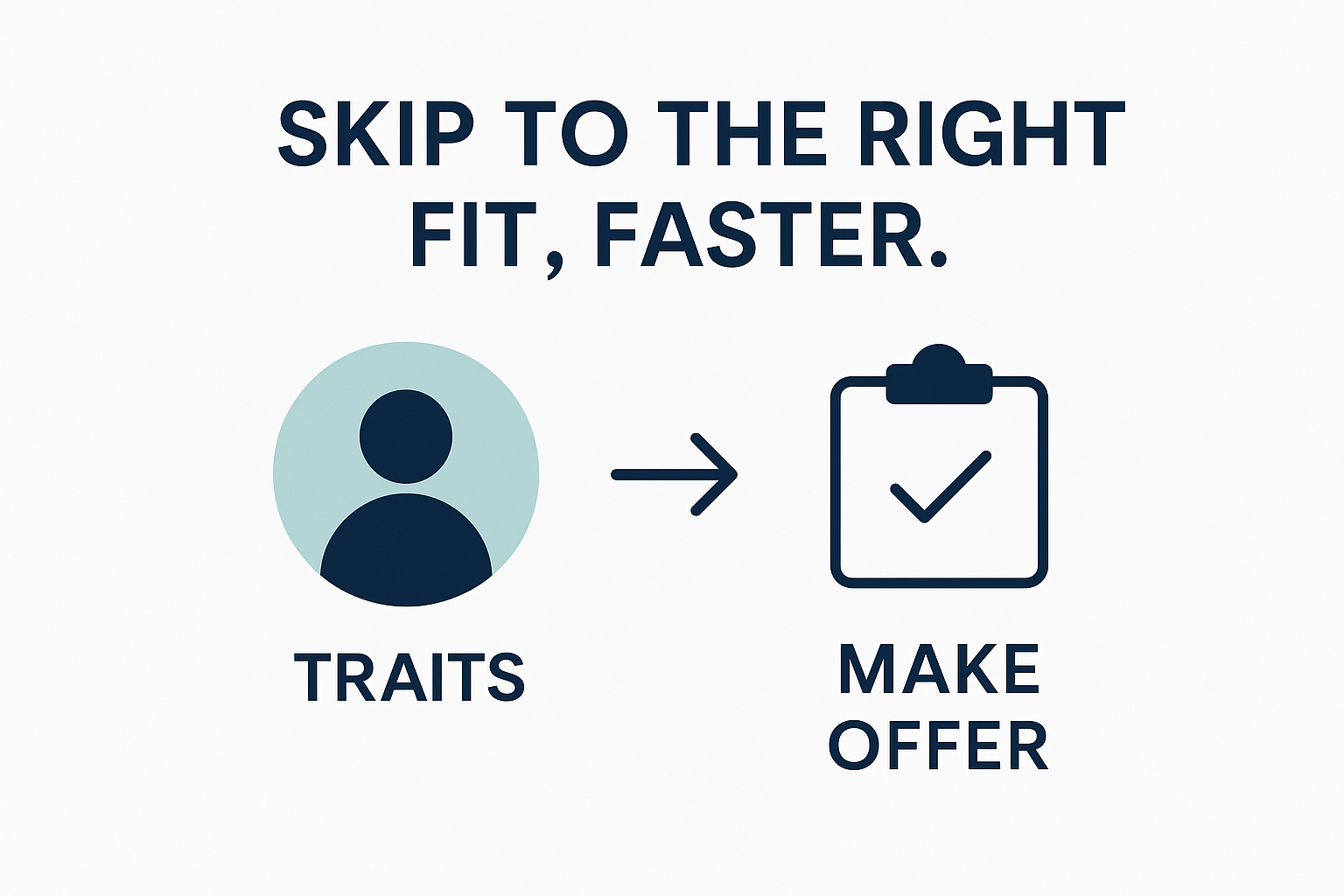
A clunky interview process is one of the fastest ways to lose top talent. Candidates today expect clarity, speed, and professionalism—and they’ll opt out if your process feels disorganized or drawn out.
Start by limiting interviews to two focused rounds: one for initial screening, and one for decision-making. This forces your team to get clear on what matters and helps maintain momentum with the candidate.
Panel interviews can streamline scheduling and provide multiple perspectives in a single session. Using structured interviews with predefined questions and standardized formats ensures consistency, fairness, and objectivity throughout the process.
To maintain depth, incorporate real-time assessments. Whether it’s a live case study, a problem-solving scenario, or a quick role-specific task, this approach gives you instant feedback on how the candidate thinks, performs under pressure, and demonstrates technical skills.
Consistency is key. Use the same core questions and scoring criteria across interviews to reduce bias and ensure every candidate is evaluated fairly.
By keeping the process tight and thoughtful, you’ll improve both the candidate experience and your ability to make informed hiring decisions quickly.
Step 5 – Use Data to Make More Informed Hiring Decisions
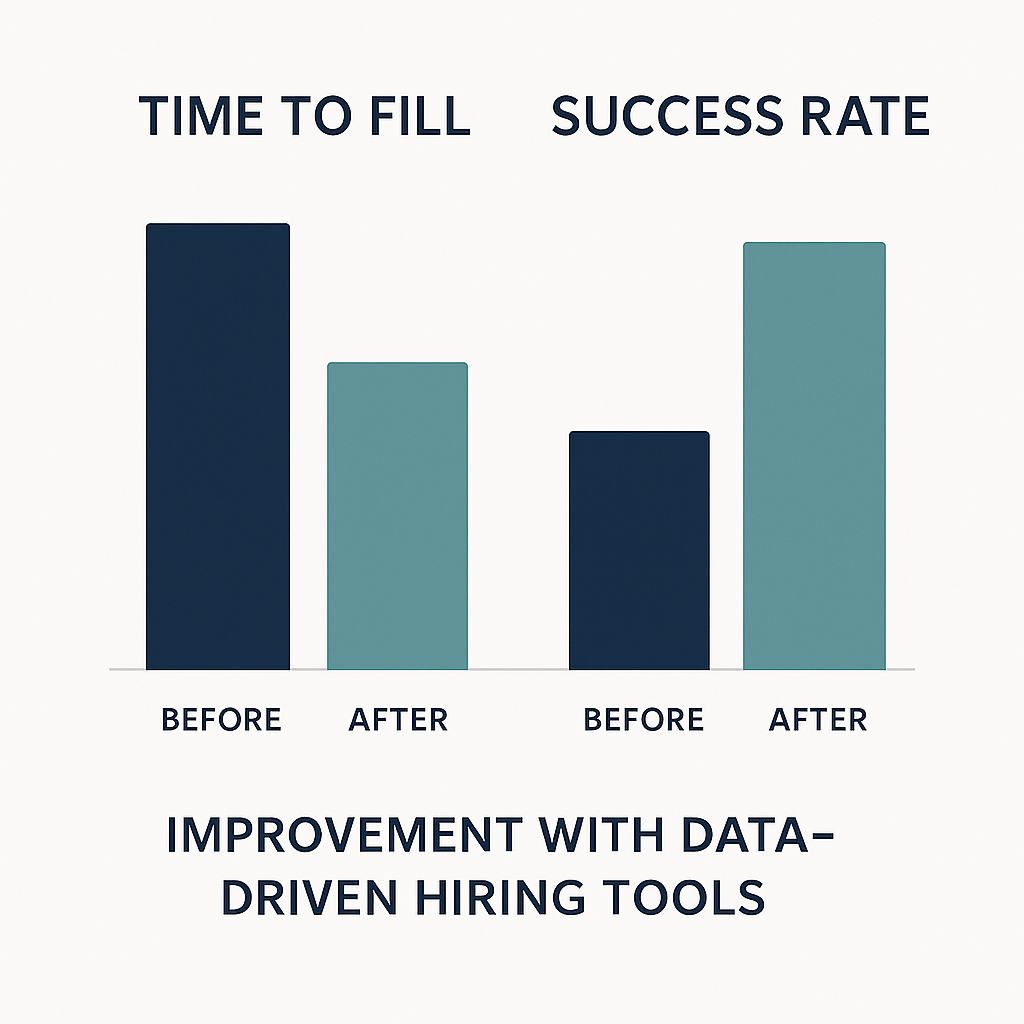
Hiring based on gut instinct might feel efficient, but it often leads to costly missteps. To improve quality and consistency, your hiring decisions need to be based on data—not just impressions.
Start by defining what success looks like in each role. What traits do your top performers share? What does turnover look like in similar positions? Use that internal data to build a candidate profile that’s grounded in outcomes, not guesswork.
Pre-employment assessments can bring objectivity into the process. Instead of relying solely on resumes and interviews, you’ll have behavioral insights and personality data to compare candidates side by side.
Track key recruiting metrics like time to fill, candidate drop-off rates, and performance of different sourcing channels. This helps you spot bottlenecks and refine your recruiting process over time.
Also, gather structured feedback from hiring managers after each hire. Patterns in their input—positive or negative—can uncover blind spots and guide better decision-making.
Data-driven hiring reduces risk, improves alignment, and ensures every candidate you bring in is a strong match not just for the job—but for your long-term team dynamics.
Step 6 – Cultivate a Strong Employer Brand
Your employer brand isn’t just a nice-to-have—it’s a competitive advantage. In a crowded job market, top candidates are looking beyond the paycheck. They want to know who they’re working for and why it matters.
A strong employer brand starts with visibility. Use your career site, social media platforms, and job descriptions to showcase your values, work environment, and what makes your team unique. Highlight real stories, not corporate jargon.
Employee testimonials are especially powerful. Whether shared through short videos or written quotes, they offer a behind-the-scenes look into your culture—straight from the people living it.
Consistency matters, too. The tone you use in your job postings should match your brand on LinkedIn, Glassdoor, and beyond. Discrepancies can confuse or even turn off candidates.
And remember, the candidate experience is part of your brand. From the first touchpoint to final feedback, treat every interaction as a reflection of your organization’s culture and professionalism.
When your employer brand is authentic and well-positioned, you’ll naturally attract aligned, motivated candidates—and reduce time spent chasing the wrong ones.
Step 7 – Build and Nurture a Quality Talent Pool
Why wait until a role opens to start looking for candidates? A well-managed candidate pool gives you a head start—so you can move fast when opportunities arise without starting from scratch.
Start by capturing contact details and notes from standout applicants, even if you don’t hire them right away. These potential candidates may be a perfect fit in six months—or know someone who is.
Don’t overlook internal talent, either. Existing employees and referrals often lead to higher-quality hires, lower onboarding time, and better long-term performance.
Maintain engagement through light, periodic touchpoints. Share company updates, invite them to virtual events, or keep them in the loop on future opportunities. That way, they stay warm and interested.
You can also tap into social media groups, industry-specific platforms, and alumni networks to continually grow your candidate pipeline. A robust, well-segmented talent pool becomes one of your most powerful long-term recruitment assets.
Leveraging Internal Candidates for Open Positions
When a position opens up, your best candidate might already be on the payroll. Internal candidates—your current employees—understand your company culture, values, and expectations better than any outsider. Promoting from within not only accelerates the hiring process, it also reinforces a culture of growth and trust.
Hiring managers can make more informed hiring decisions by maintaining a structured candidate record for each team member. Tracking skills, performance, and long-term career goals helps identify which internal candidates are ready to take on new challenges. The result? A faster, more confident placement with less ramp-up time and greater alignment.
Investing in your current employees also pays off in retention and morale. When people see a clear path for advancement, they’re more engaged, more loyal, and more likely to stay. That translates directly into higher job satisfaction and a more stable team.
This kind of internal mobility isn’t just good for individuals—it strengthens your entire organization’s culture and ensures you’re building leadership from the inside out.
Strategies for Improving Diversity and Inclusion in Hiring
Creating a diverse and inclusive workforce doesn’t happen by accident—it starts with designing a hiring process that actively removes barriers and broadens access to opportunity.
Begin by writing job descriptions that use inclusive language and focus on essential skills, not overly rigid requirements. This opens the door to a wider range of qualified candidates while signaling that your organization values different backgrounds and experiences. Posting roles on diversity-focused job boards can also help you reach talent that traditional channels often miss.
Blind hiring techniques—such as removing names, photos, and personal identifiers—are powerful tools to reduce unconscious bias in early screening. Today’s AI recruiting software and modern recruiting software can support these practices by flagging biased language, standardizing evaluations, and helping you compare candidates more objectively.
Embracing diversity and inclusion isn’t just a social priority—it’s a business imperative. Organizations that prioritize diverse hiring consistently report higher innovation, better decision-making, and stronger team performance. When your hiring process is inclusive by design, you create a more equitable candidate experience and a culture that reflects the world your business serves.
Enhancing the Candidate Experience Through Personalization
In a competitive talent market, a great candidate experience isn’t a luxury—it’s a strategic advantage. When your hiring process feels personal and thoughtful, you not only attract better applicants—you keep them engaged all the way to the offer stage.
Personalization starts with communication. Address candidates by name, reference their experience, and tailor your messaging to reflect what matters to them. Hiring managers should share insights about your company culture, growth opportunities, and team dynamics that align with the candidate’s goals.
Throughout the hiring process, provide timely updates, clear expectations, and meaningful feedback. Small touches like customized interview prep materials or team introductions can create a lasting impression that sets your organization apart.
Leverage data and behavioral insights to understand where candidate drop off rates occur, and adjust accordingly. When candidates feel seen, respected, and aligned with your organization’s culture, they’re more likely to become successful hires—and ambassadors for your brand.
Best Practices for Communicating With Candidates
Strong communication isn’t just polite—it’s a competitive edge in the hiring process. From the moment a candidate applies, every interaction shapes their candidate experience. Clear, timely updates help build trust, reduce uncertainty, and keep top talent engaged throughout the journey.
Set expectations early. Let candidates know what the hiring process entails, who they’ll be meeting, and when decisions will be made. Prompt responses—whether it’s to a question, a submitted application, or a post-interview follow-up—signal professionalism and respect.
Use a mix of communication channels, including email, phone, and even social media platforms, to meet candidates where they are. AI recruiting software and modern recruiting software can handle routine updates like interview confirmations or reminders, freeing your team to focus on high-touch moments that make a real difference.
When scheduling interviews, avoid the frustrating back and forth. Offer flexible time slots, confirm quickly, and make rescheduling easy. A well-run communication process reduces stress for candidates and improves efficiency for your hiring team—creating a smoother, faster experience for everyone involved.
Bonus Tip: Involve Current Employees in the Hiring Process

Your team isn’t just affected by who you hire—they’re part of the hiring decision itself. Involving current employees in the process can dramatically improve cultural fit and team cohesion.
Peer interviews offer a unique perspective on how a candidate might actually function within your day-to-day environment. These sessions can also reveal red flags that may not surface in formal interviews.
Employees feel more ownership when they help shape the team. That buy-in can lead to smoother onboarding, stronger collaboration, and faster integration of new hires.
This doesn’t mean turning your hiring process into a group decision—but rather, giving your team a voice where it counts most: compatibility and communication style.
Avoid These Common Hiring Mistakes That Waste Valuable Time
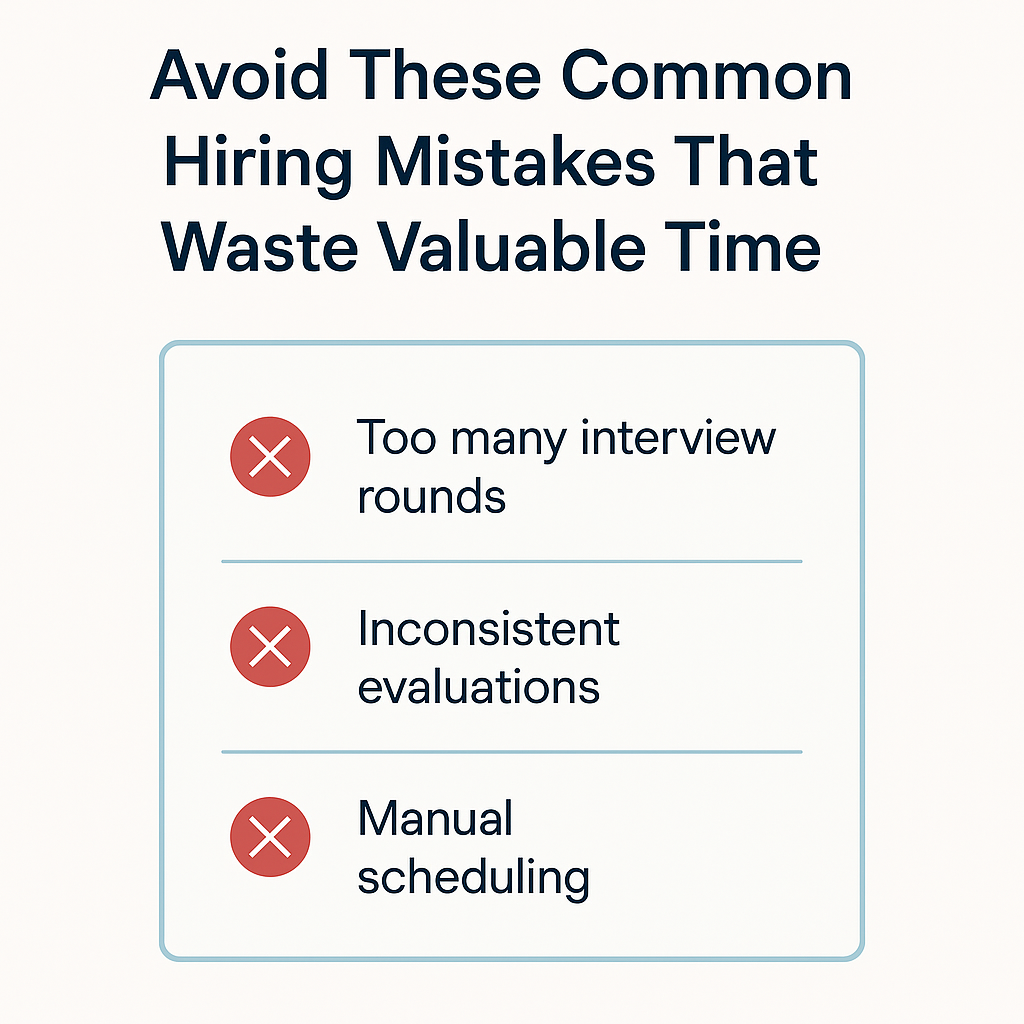
Even with the best intentions, small missteps in your process can create major slowdowns—or worse, lead to poor hiring decisions. The good news? Most of them are easy to fix.
One of the biggest time-wasters is overcomplicating the application process. If candidates have to jump through hoops just to apply, you’ll lose top talent before you even get started.
Another common issue is scheduling chaos. Endless back-and-forth to coordinate interviews frustrates both candidates and internal teams—and adds unnecessary days to your timeline.
Inconsistent screening criteria is also a hidden culprit. When different people evaluate candidates based on different standards, decision-making slows and biases creep in.
Failing to track and analyze your own process is a missed opportunity. Without data, you can’t identify bottlenecks—or improve them.
Streamlining starts with awareness. Audit your current hiring workflow regularly, and eliminate the steps that no longer serve your goals or your candidate experience.
The Role of OAD in Streamlining Recruitment
At OAD, we believe hiring shouldn’t be a guessing game. That’s why our suite of pre-employment assessments is designed to bring clarity and speed to every step of your recruitment process.
Our scientifically validated tools go beyond resumes and interviews. With just two pages of survey responses, you’ll gain deep insight into how a candidate thinks, communicates, solves problems, and fits within your team.
Whether you’re hiring for a high-stakes leadership role or building a cohesive frontline team, OAD helps you make more informed, data-driven decisions—without slowing things down.
The result? Fewer mismatches. Faster onboarding. Stronger teams.
Final Thoughts: Build a Recruitment Process That Scales With You
A streamlined hiring process doesn’t mean cutting corners—it means removing what slows you down and amplifying what works. It’s about building a system that can scale with your business, support your teams, and attract talent that lasts.
In today’s competitive market, top candidates expect a process that’s fast, focused, and respectful of their time. When you deliver that experience—without sacrificing depth or cultural alignment—you’ll win better people and build better teams.
Smart hiring isn’t about more steps. It’s about better ones.
Test OAD
Want to see how OAD’s tools can help you hire better, faster, and with more confidence?
Start with the Top Performer Profile and discover how our data-backed assessments streamline your hiring—from screening to cultural fit. No guesswork. No wasted time. Just smart, scalable talent decisions.