Hiring the wrong candidate costs more than just time—it can quietly drain productivity, morale, and budget.
Yet even with polished resumes and impressive interviews, many leaders still make costly misjudgments. That’s where a cognitive assessment test for employment changes the game—by revealing how a candidate truly thinks, learns, and solves problems.
What Is a Cognitive Assessment Test for Employment?
Cognitive assessment tests are tools used for measuring how well a candidate thinks—not just what they know. These tests work by objectively assessing a range of cognitive functions and abilities, including memory, reasoning, processing speed, and general mental ability. They evaluate core mental processes like problem solving, pattern recognition, verbal comprehension, logical reasoning, spatial reasoning, and abstract reasoning. Unlike technical assessments or resume reviews, cognitive tests reveal how quickly and accurately someone can process new information, adapt to challenges, and make decisions under pressure.
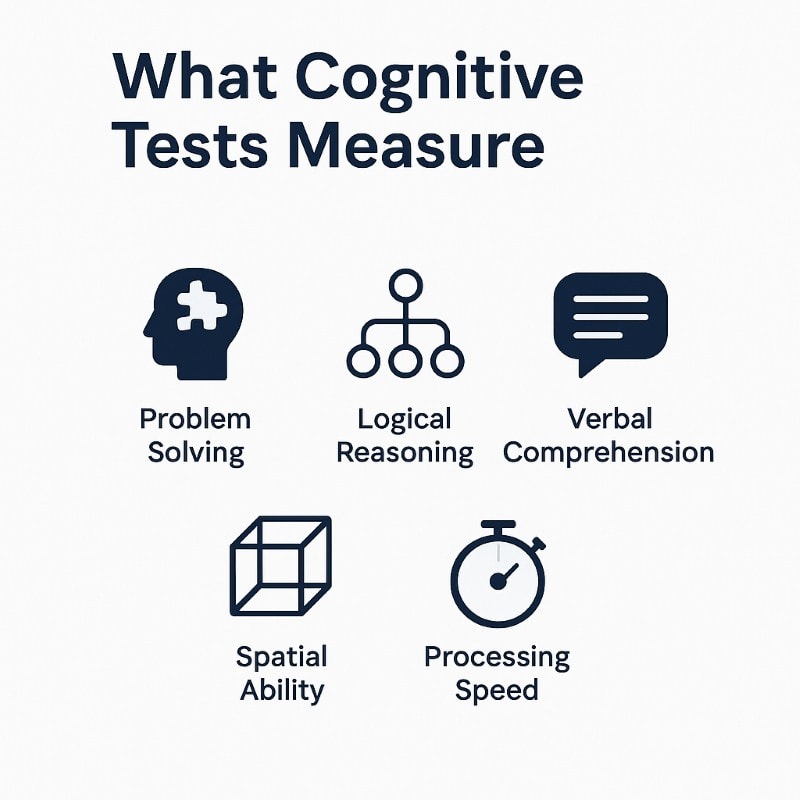
Cognitive ability tests are often confused with IQ tests or personality profiles, but they serve a distinct purpose in the hiring process. While personality tests highlight behavioral tendencies and IQ tests aim to measure general intelligence, cognitive assessments focus on job-relevant thinking skills that are valid predictors of real-world performance and success. They offer an objective way to screen for potential—not just experience. Cognitive ability tests often include multiple sub tests, each targeting specific skills such as numerical, verbal, non-verbal, spatial, and abstract reasoning.
That’s what makes them so powerful in high-stakes hiring: they cut through the noise and highlight candidates who can thrive in complex, fast-moving environments.
Why Leading Companies Rely on Cognitive Ability Tests
Top-performing companies like Amazon and Google don’t just hire for credentials—they hire for thinking power. These organizations integrate cognitive assessments, such as the aptitude test and cognitive aptitude test, into their hiring processes to identify individuals who can handle ambiguity, solve complex problems, and grow with the business. It’s not just about who looks good on paper—it’s about who can think critically under pressure.
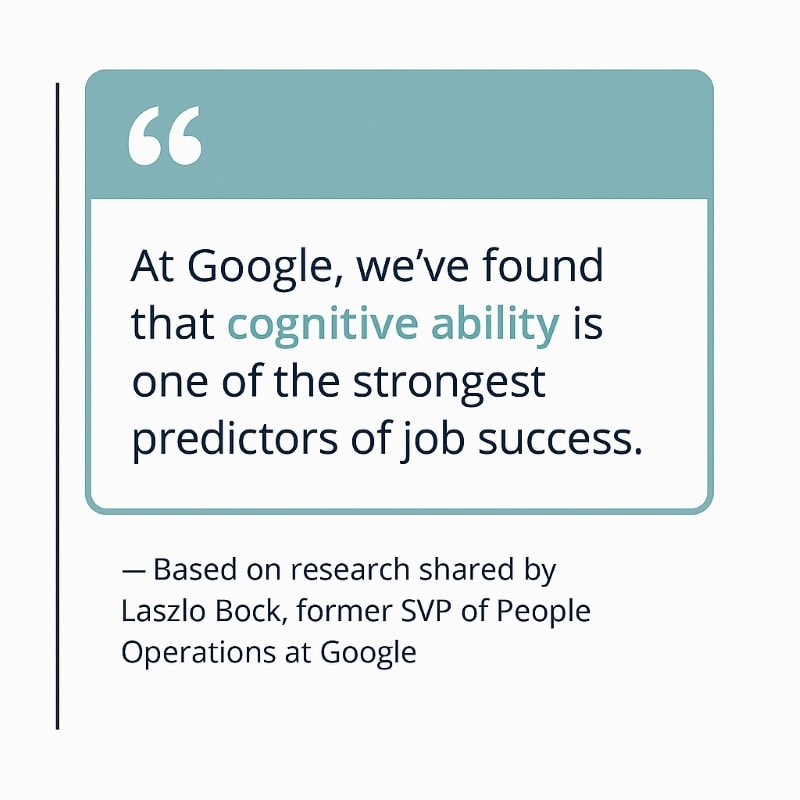
Why do they do it? Because the science backs it up. Numerous studies—including meta-analyses published in journals like Psychological Bulletin—have shown that general cognitive ability, and specifically cognitive aptitude, is one of the strongest predictors of job performance across roles and industries. Unlike credentials or past experience, it predicts how well a person will learn, adapt, and succeed in a new environment. Tools like the Predictive Index are also used to evaluate reasoning skills and support test preparation.
Organizations that rely on cognitive ability tests, such as the Criteria Cognitive Aptitude Test (CCAT), which is a standardized cognitive aptitude test designed to measure problem-solving, critical thinking, and the ability to learn new information, consistently outperform their competitors in key areas:
- Faster onboarding
- Higher retention
- Improved employee engagement
- More effective leadership development
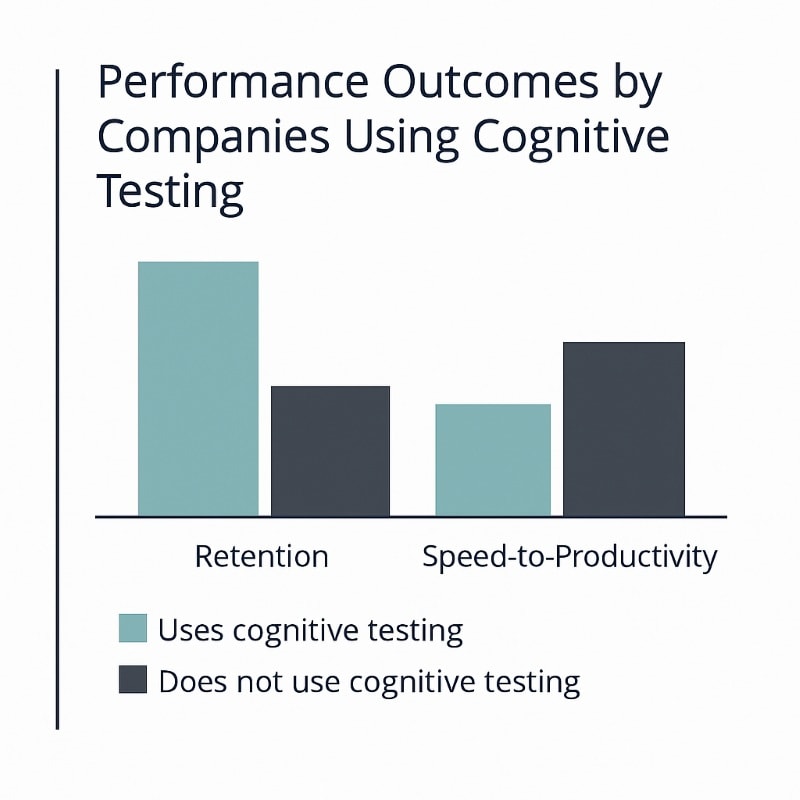
When used strategically, cognitive assessments don’t just support hiring—they become a competitive advantage.
5 Ways Cognitive Tests Strengthen the Hiring Process
1. Spot High Performers with Minimal Job Experience
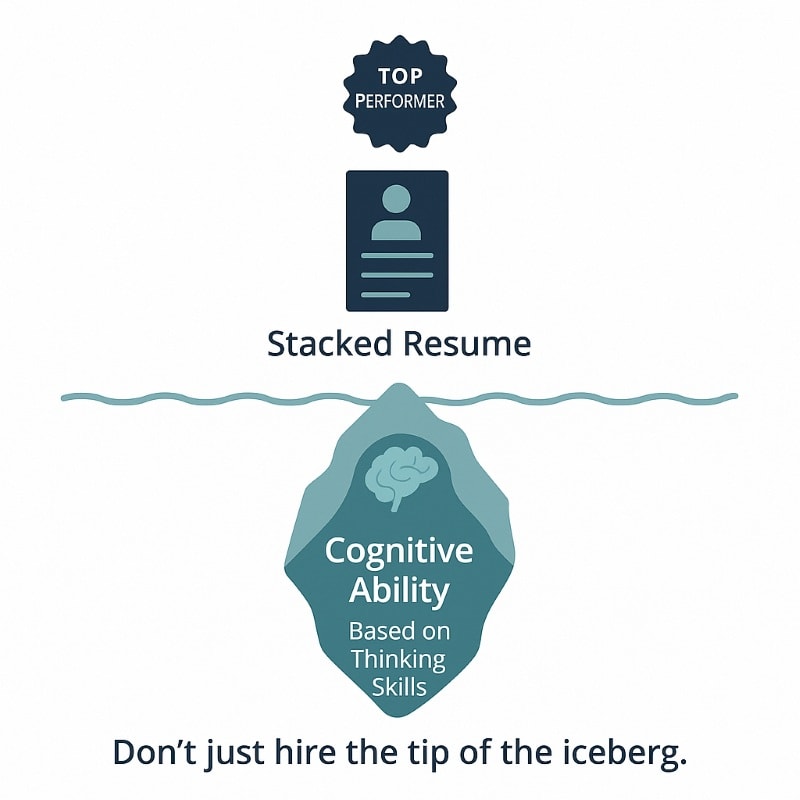
Traditional hiring often favors candidates with lengthy resumes. But experience doesn’t always equate to performance. In fact, research shows that cognitive assessments are often more predictive of future job success than previous job experience alone. Cognitive assessments help you uncover raw thinking potential—especially in candidates who may not have the perfect background on paper but have the capability to learn fast, adapt, and outperform expectations. Evaluating a candidate’s ability to solve problems, think critically, and adapt to new challenges provides deeper insight than a resume can offer.
Think of it this way: you’re not just hiring for what someone has done, but for what they can do.
2. Predict Long-Term Success and Adaptability
Cognitive ability tests measure general mental capacity—the same attribute that enables employees to tackle new challenges, absorb feedback, and handle increasing complexity over time. By assessing traits like verbal reasoning, problem solving, and logical thinking, these tests help you spot who’s built for long-term growth.
This is especially valuable in today’s fast-changing roles, where adaptability matters more than static skill sets. A candidate’s ability to acquire new skills is crucial for ongoing learning and staying relevant as job requirements evolve.
3. Improve Employee Retention and Engagement
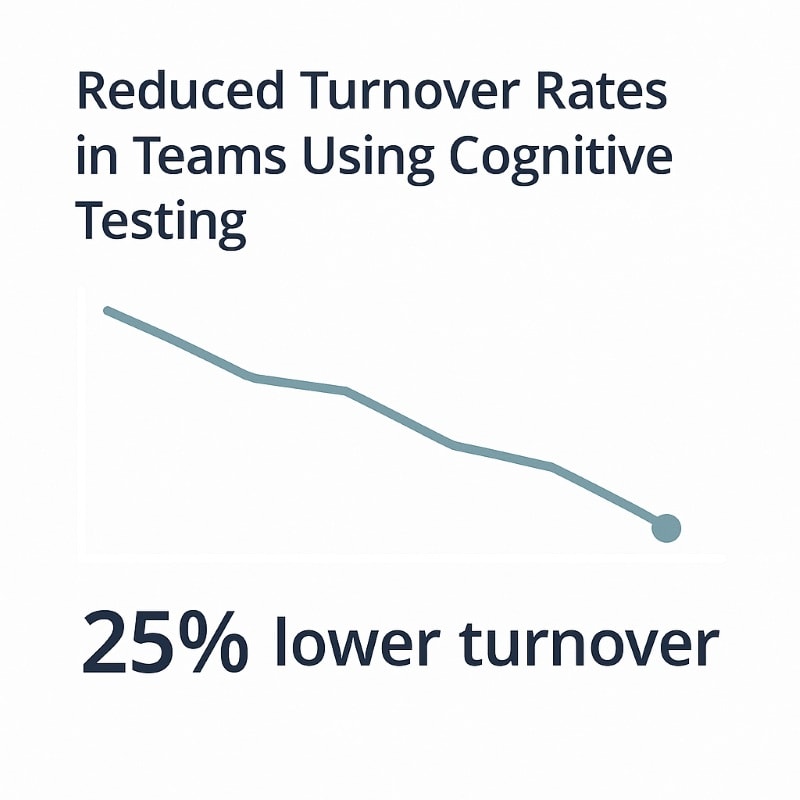
When employees are cognitively aligned with the demands of their roles, they experience less stress, more flow, and greater satisfaction. This leads to longer tenures and deeper engagement. In fact, a study published in Personnel Psychology found that cognitive fit is a strong predictor of both job satisfaction and intent to stay.
4. Reduce Time-to-Productivity
Candidates with high cognitive ability typically ramp up faster. They can process new information, follow instructions, and apply learning more quickly—cutting down on costly onboarding and training time.
Hiring people who learn fast means your team moves faster.
5. Minimize Bias and Elevate Fairness
Well-designed cognitive assessments help reduce unconscious bias by offering standardized, objective metrics. Unlike resumes or interviews—which are prone to subjective interpretation—these tests focus solely on how someone thinks and solves problems, regardless of their background, gender, or education. By using objective assessments, you can minimize such bias and improve fairness in your hiring process.
Used correctly, cognitive tests make hiring more equitable and more effective.
This section turns your hiring process from guesswork into data-backed precision. And the result? Fewer bad hires—and more high-impact team members who drive your business forward.
What Cognitive Ability Tests Actually Measure
While the term “cognitive ability” may sound broad, these assessments are designed to evaluate a full range of cognitive abilities—each measured to assess mental skills such as problem-solving, reasoning, and processing speed, all of which are tied to job performance, learning agility, and decision-making under pressure. These tests use various cognitive questions, including verbal reasoning and abstract reasoning tasks, to objectively measure how well candidates process information quickly and accurately. The results are summarized in a cognitive ability score, reflecting performance across different domains.
Here’s a breakdown of the most common areas tested:
Logical Reasoning and Abstract Thinking
These subtests measure a candidate’s ability to draw logical conclusions from limited information. Can they connect the dots? Can they solve unfamiliar problems using patterns and deduction? The ability to recognize patterns is especially important in abstract reasoning questions, as it demonstrates a person’s aptitude for critical thinking and problem-solving.
Numerical Reasoning and Word Problems
This doesn’t mean complex algebra—but rather understanding charts, doing quick calculations, and applying math in business scenarios. Numerical reasoning questions often present several answer options, requiring candidates to analyze each one and select the correct response. It shows how well someone handles data and quantitative decisions.
Verbal Comprehension and Communication Skills
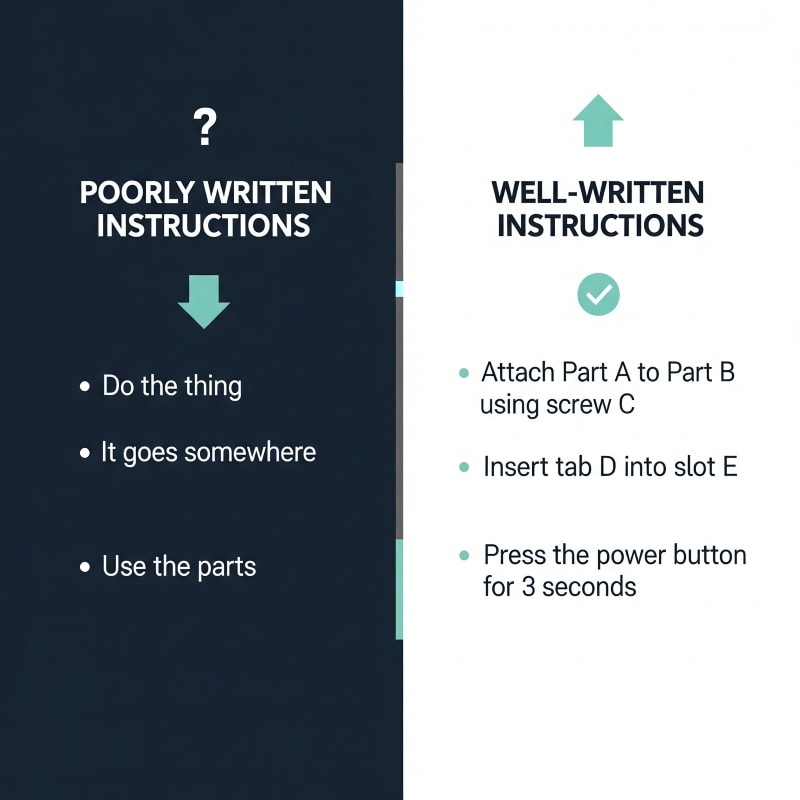
Reading comprehension and sentence completion tasks assess how clearly someone understands written information. In roles with heavy documentation, communication, or instruction-following, this is key.
Pattern Recognition and Processing Speed
This measures how quickly candidates can absorb and apply new information—often under time pressure. It’s a strong indicator of mental agility and stress tolerance.
Problem-Solving Under Time Constraints
Many roles require quick thinking—especially in client-facing or operational environments. These tests simulate pressure to assess how well someone can make smart decisions when time is limited. With strict time limits, candidates must rely on their problem solving abilities and critical thinking skills to quickly analyze information and choose the best course of action. Practicing under these conditions and using effective strategies can significantly improve performance, helping candidates identify correct answers more efficiently.
These subtests offer a deeper look into a candidate’s true potential—not just their past performance, but their ability to grow into the role and adapt to future challenges.
Understanding Test Scores: What Your Results Really Mean
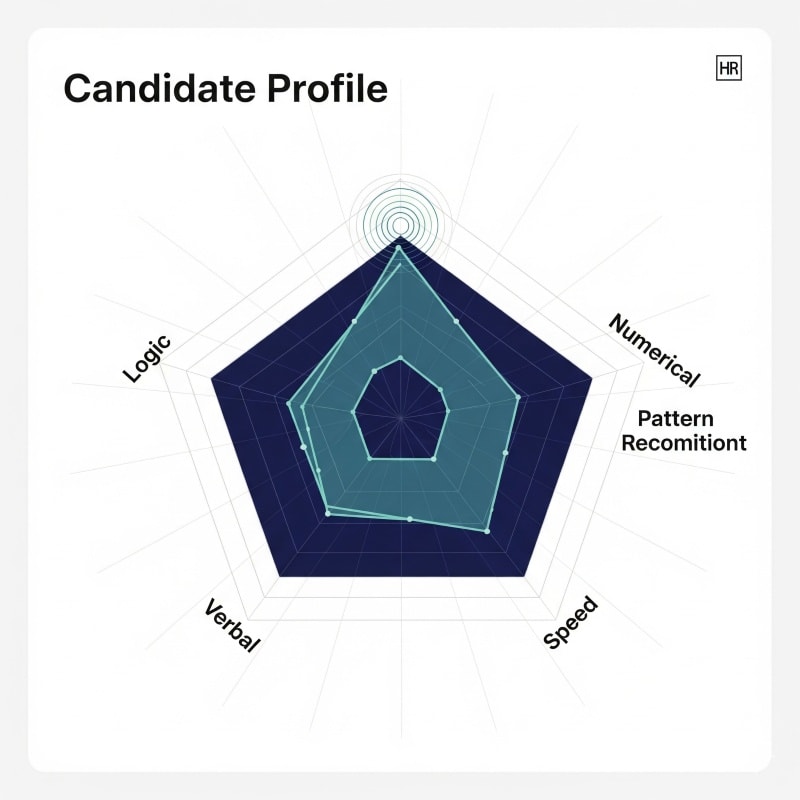
Cognitive ability test scores provide more than just a number—they offer insight into how a candidate thinks, learns, and solves problems in real-world situations. From verbal reasoning and logical thinking to problem-solving under time constraints, each score reflects performance on tasks that simulate actual workplace challenges.
But interpretation is key. A high cognitive ability test score isn’t always the only goal—what matters most is alignment with the demands of the role. For example, a candidate with strong verbal reasoning may thrive in a communication-heavy position, while someone with high numerical or abstract reasoning may be better suited for technical or analytical roles.
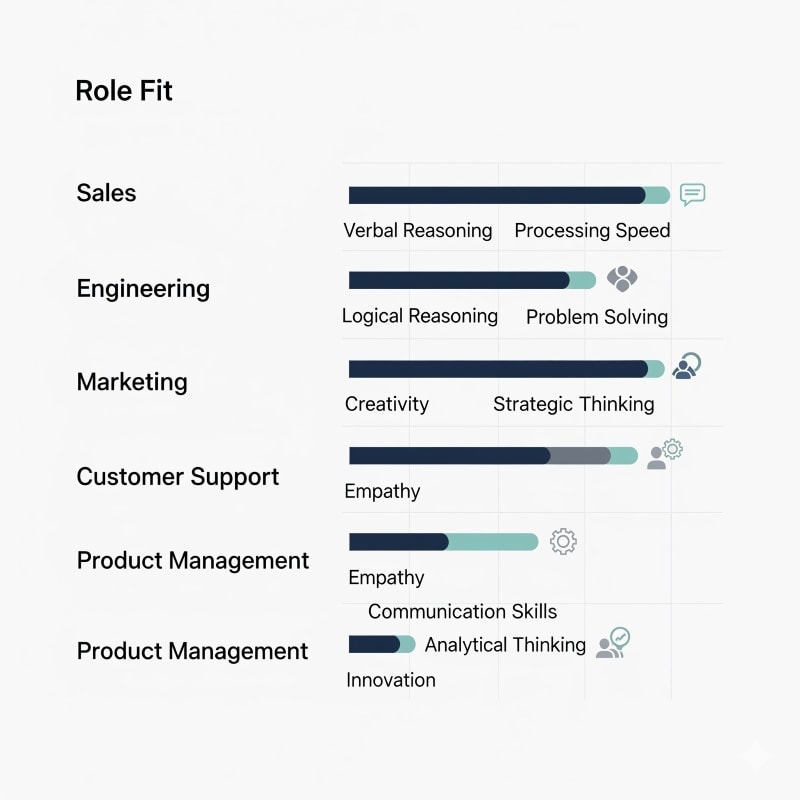
It’s also important to consider context. Testing conditions, familiarity with digital assessments, and even minor distractions can impact a candidate’s performance. That’s why OAD recommends comparing test results against validated benchmarks—whether that’s industry norms or internal role requirements—before drawing conclusions.
Used correctly, cognitive test results offer a data-driven lens to complement interviews and behavioral assessments. They help you identify candidates not just with qualifications, but with the cognitive capacity to grow, adapt, and succeed over the long term.
Technology’s Role in Modern Cognitive Assessments
Technology has reshaped cognitive ability testing—making it faster, more scalable, and more insightful without sacrificing scientific rigor. Online testing platforms now allow companies to reach a wider pool of candidates, automate scoring, and deliver results in real time—all while maintaining test security and standardization.
Modern systems can flag inconsistent response patterns, reduce human error, and generate data-rich reports that highlight not just scores, but cognitive strengths and developmental opportunities. Some platforms even incorporate machine learning to refine benchmarks and surface predictive patterns across roles and industries.
By leveraging these tools, organizations gain more than just efficiency—they gain consistency, objectivity, and a hiring process that is both faster and fairer. The result? Smarter decisions, stronger teams, and a competitive edge in securing top talent.
How Cognitive Assessments Fit into Your Hiring Process
One of the biggest advantages of cognitive assessments is their flexibility—they can be integrated at different stages of the hiring funnel depending on your goals. Cognitive assessments can be used early in the interview process to efficiently filter candidates, helping organizations identify top talent before moving forward with interviews. By incorporating these assessments, companies can streamline their recruitment process and fill jobs more effectively, ensuring the right candidates are matched to open positions.
Ideal Timing: Before or After Interviews?
Many companies use cognitive tests early in the process to filter candidates who can think critically, solve problems, and learn fast. Others use them later, as a way to validate top candidates after behavioral interviews.
There’s no one-size-fits-all—but when placed strategically, these tests can dramatically improve decision quality.
Screen Applicants Efficiently
Instead of spending hours sifting through similar-looking resumes, cognitive assessments help you focus only on the candidates who are most likely to succeed. It’s an efficient, data-driven way to streamline your shortlist.
Complement Interviews and Personality Data
Interviews and behavioral assessments still matter—but they measure different things. While personality tools reveal motivation and culture fit, cognitive tests evaluate thinking power. Used together, they give a complete view of a candidate’s suitability.
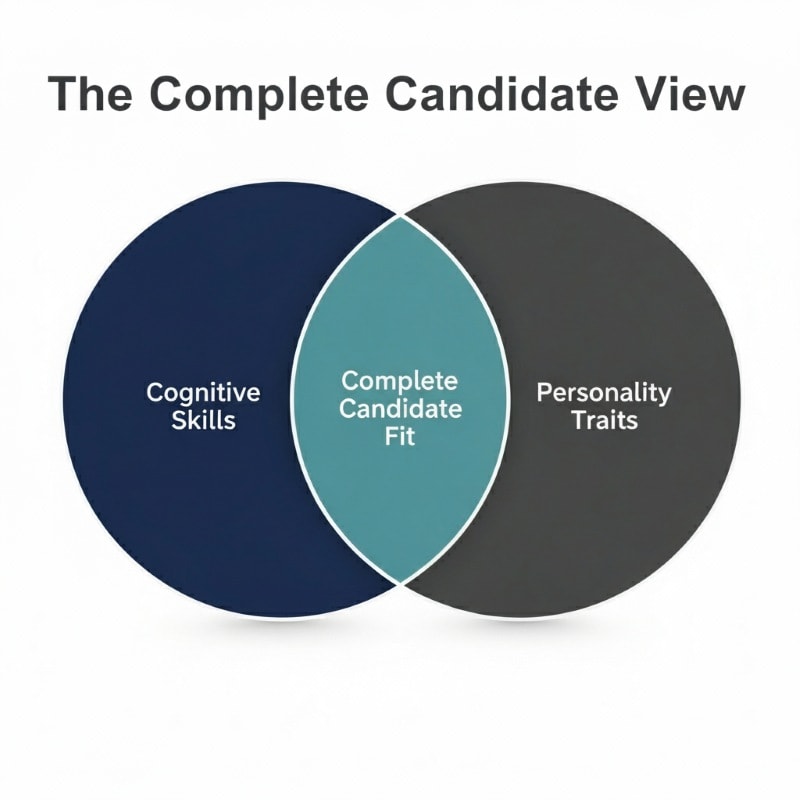
Avoiding Misuse: What Cognitive Tests Can’t Tell You
It’s important to remember that cognitive tests don’t assess values, ethics, or interpersonal behavior. They’re one part of a larger hiring toolkit—not a magic solution. Misusing them in isolation can lead to poor decisions.
That’s why OAD assessments combine cognitive data with validated behavioral science—for a 360° hiring view.
Used properly, cognitive assessments sharpen your hiring process, cut noise, and reveal the kinds of candidates who aren’t just qualified—but built to thrive.
Candidate Experience: How to Make Cognitive Testing Fair and Positive
Your hiring process doesn’t just evaluate candidates—it communicates your company’s values. A poorly implemented cognitive assessment can frustrate top talent or create perceived bias. A well-designed one, however, sends a clear message: your organization values transparency, fairness, and performance over pedigree.
Start by providing clear instructions, realistic expectations, and sample questions when possible. Whether assessments are delivered in-person or online, ensure a consistent, distraction-free environment and communicate how long the test will take. Candidates should also know where to turn if they have questions during the process.
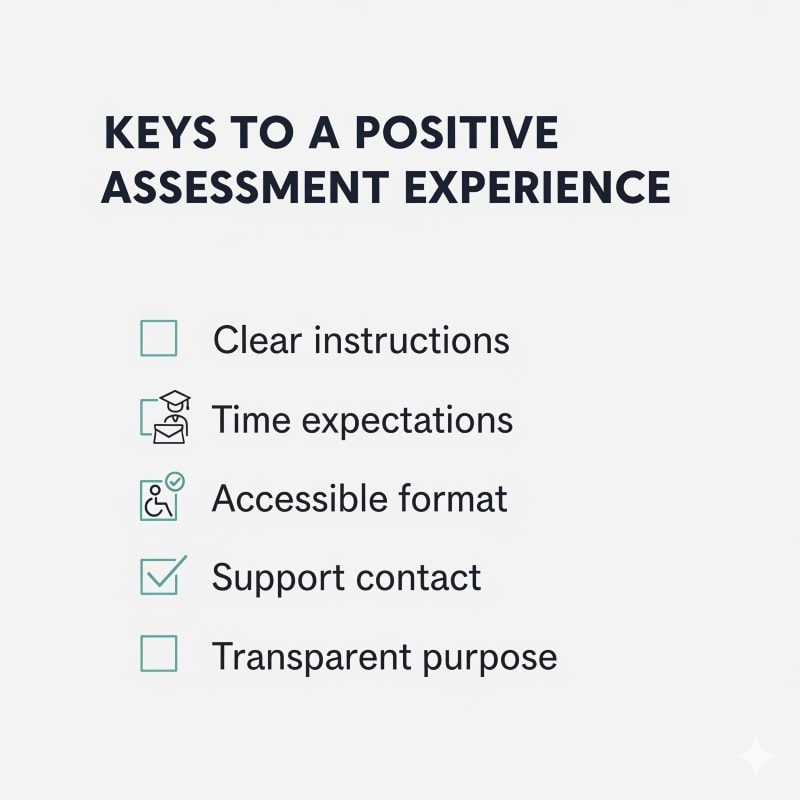
It’s also important to frame the test within the broader hiring process. Let candidates know why it matters, what it measures, and how it’s used. This reinforces that your decision-making is data-driven—not arbitrary.
Prioritizing candidate experience isn’t just a branding exercise. It improves performance, reduces drop-off, and attracts a more diverse, high-performing talent pool. When candidates understand that cognitive ability tests are used to highlight potential—not eliminate on background—you build trust from the very first touchpoint.
OAD’s Cognitive Ability Assessments: What Sets Them Apart
While many cognitive tests on the market measure raw intelligence, such as the criteria cognitive aptitude test (CCAT)—a standardized assessment widely used to evaluate problem-solving skills, critical thinking, and the ability to learn new information—OAD takes it a step further by combining cognitive ability with behavioral science to give you a full picture of each candidate’s potential.
Scientifically Validated Tools Backed by Decades of Data
OAD’s assessments aren’t generic aptitude tests—they’re rooted in decades of organizational psychology and hiring research. Our tools are continuously validated and refined to ensure reliability and job relevance.
Integration with Behavioral and Personality Traits
Cognitive ability alone doesn’t guarantee success. That’s why OAD assessments pair thinking skills with behavioral data—giving you insight into how candidates work, communicate, and respond to pressure.
This combination helps you place people in roles where they’re both mentally equipped and behaviorally aligned.
Tailored Insights for Role-Specific Hiring
From technical roles requiring fast problem-solving to leadership positions needing verbal reasoning and strategic thinking, OAD’s assessments adapt to what matters most in each job.
No more one-size-fits-all reporting. You get insights that actually support your real-world decisions.
How Our Assessments Reduce Costly Hiring Mistakes
Bad hires are expensive. Between onboarding costs, lost productivity, and team disruption, the wrong person can silently drain thousands. OAD helps you minimize that risk by screening for learning speed, cognitive fit, and long-term growth potential—before the offer is made.
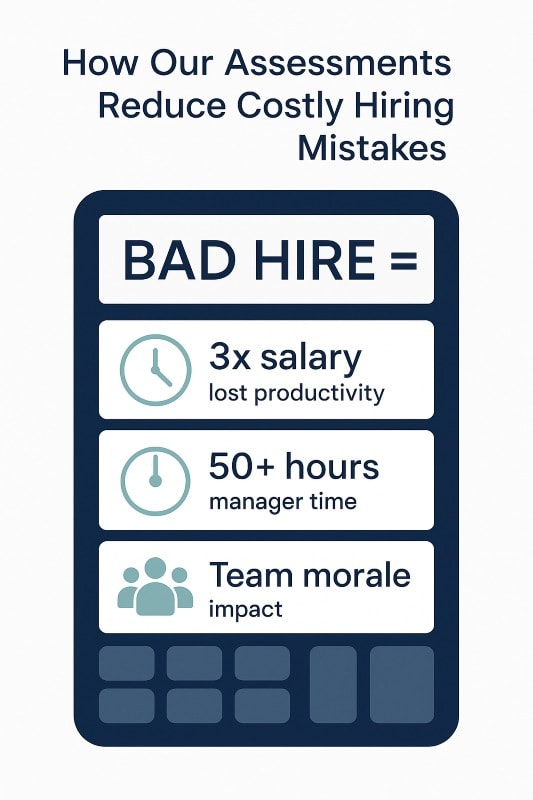
With OAD, you’re not just getting a test—you’re getting a strategic hiring system that’s built to align talent with outcomes.
The Future of Cognitive Assessments in Hiring
Cognitive ability testing is evolving fast—driven by advances in AI, deeper behavioral analytics, and a growing commitment to equity in hiring. In the years ahead, we’ll see assessments that adapt in real time to a candidate’s responses, align more precisely with specific job demands, and integrate seamlessly with other hiring tools.
But with innovation comes responsibility. As organizations strive to build more diverse and high-performing teams, the next generation of cognitive ability tests must prioritize fairness, clarity, and continual validation. That means minimizing bias, transparently communicating how assessments are used, and refining tools based on both research and candidate feedback.
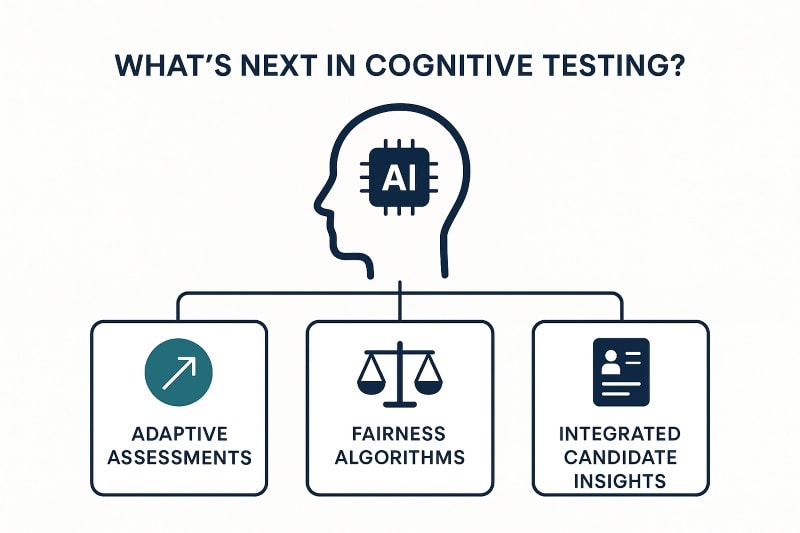
Cognitive assessments aren’t going away—they’re becoming more precise, more predictive, and more essential. When thoughtfully implemented, they’ll remain a cornerstone of smart, scalable hiring: helping organizations identify top talent, accelerate ramp-up time, and support long-term success.
Final Thoughts: Smarter Hiring Starts with Smarter Data
Cognitive assessment tests for employment aren’t just another checkbox in your hiring process—they’re a proven, science-backed way to make smarter, faster, and more confident decisions.
When you measure how someone thinks—not just where they’ve worked—you gain a predictive edge. You find candidates who solve problems, adapt under pressure, and grow with your organization.
That’s how high-performing teams are built. And that’s why OAD’s cognitive ability assessments are trusted by forward-thinking leaders who want to reduce risk, save money, and hire for long-term success.
Ready to make confident hiring decisions backed by science?
Start with the Top Performer Profile today and discover how our cognitive ability assessments can help you screen smarter, reduce turnover, and build a team of high performers.
Don’t guess—test. Start hiring with data that delivers results.