Hiring slow? Your top candidates aren’t waiting. In this article, you’ll learn five proven ways to speed up your hiring process without sacrificing quality.
Speed Up Hiring Process: The Business Impact of Delayed Decisions
A slow hiring process might feel thorough—but it’s often expensive.
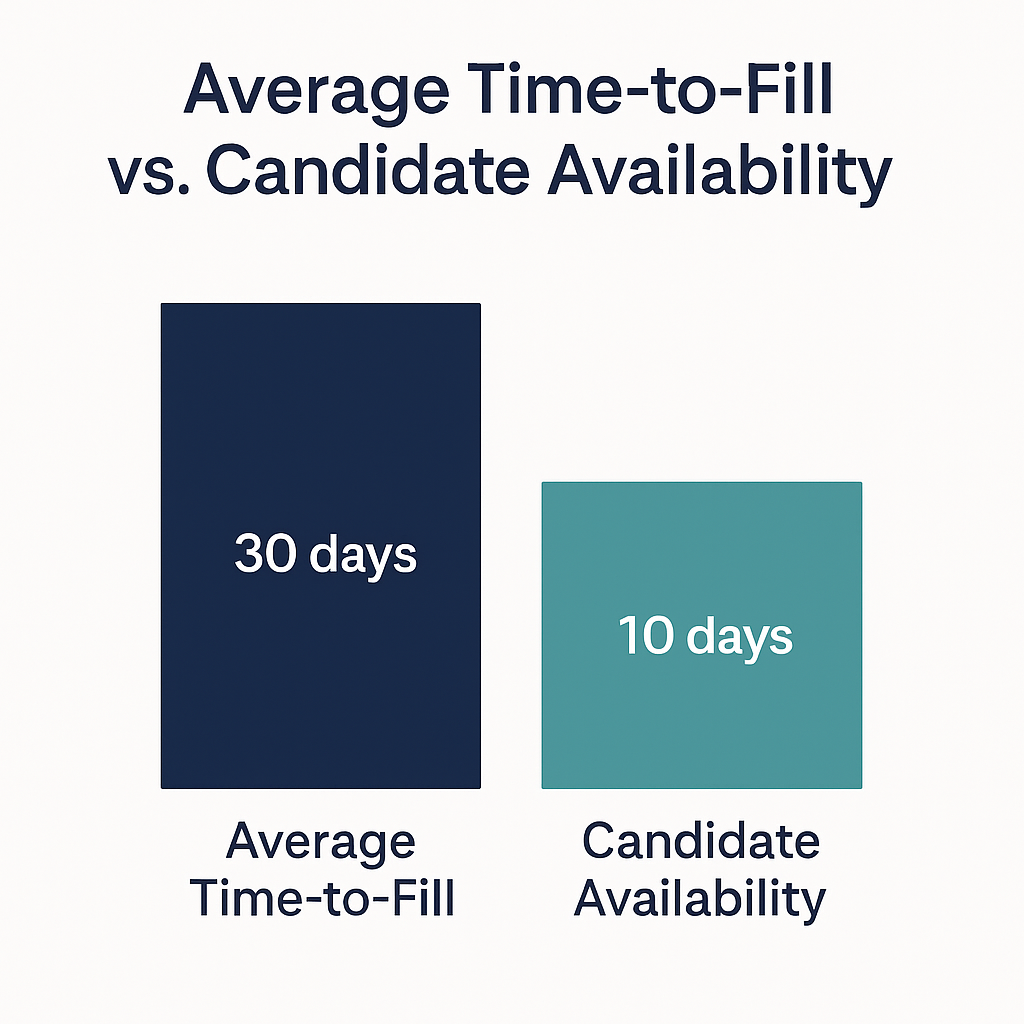
The longer an open position stays unfilled, the more it costs your company in missed productivity, strained teams, and lost opportunities. In fact, research shows that the best candidates are off the market within just 10 days, while the average time-to-fill still hovers around 30 to 45 days. That gap creates serious risk. Reducing waiting periods for both candidates and hiring teams is essential to avoid losing top talent.
When your team takes too long to move forward, you don’t just lose candidates—you lose momentum. High-performing employees end up covering extra duties, leading to burnout or even attrition. Encouraging employee referrals can help speed up the hiring process and reduce the strain on current staff. Project timelines slip. Morale suffers.
And perhaps most damaging of all? You create a reputation among job seekers as a company that drags its feet—something that today’s top talent won’t tolerate.
That’s why speeding up your hiring process and optimizing the entire hiring cycle isn’t just a tactical improvement—it’s a competitive advantage.
Introduction to the Hiring Process
A strong hiring process isn’t just a back-office function—it’s a core driver of business growth. The quality of your team shapes everything, from daily execution to long-term success. And in today’s fast-moving talent market, speed matters more than ever.
When your hiring process is slow or disjointed, you don’t just risk delays—you risk losing the top candidates to companies that move faster and communicate better. Every stage of the process—starting with a sharp job description and ending with a decisive job offer—impacts your ability to attract and retain great people.
Organizations that treat hiring as a strategic priority don’t just fill roles faster. They improve candidate satisfaction, reduce costly delays, and build teams that hit the ground running. The key? Streamlining the recruitment process so you’re not reacting—you’re ready.
In this guide, you’ll learn how to speed up your hiring process without sacrificing quality, so you can engage the right people, move them through the hiring process steps efficiently, and make confident decisions that keep your business moving forward.
Five Proven Strategies for a Faster, Smarter Hiring Process
Speeding up your hiring process doesn’t mean lowering your standards—it means removing friction from the parts that slow you down unnecessarily. Employing many strategies is essential to attract top candidates and efficiently build and maintain a strong talent pipeline.
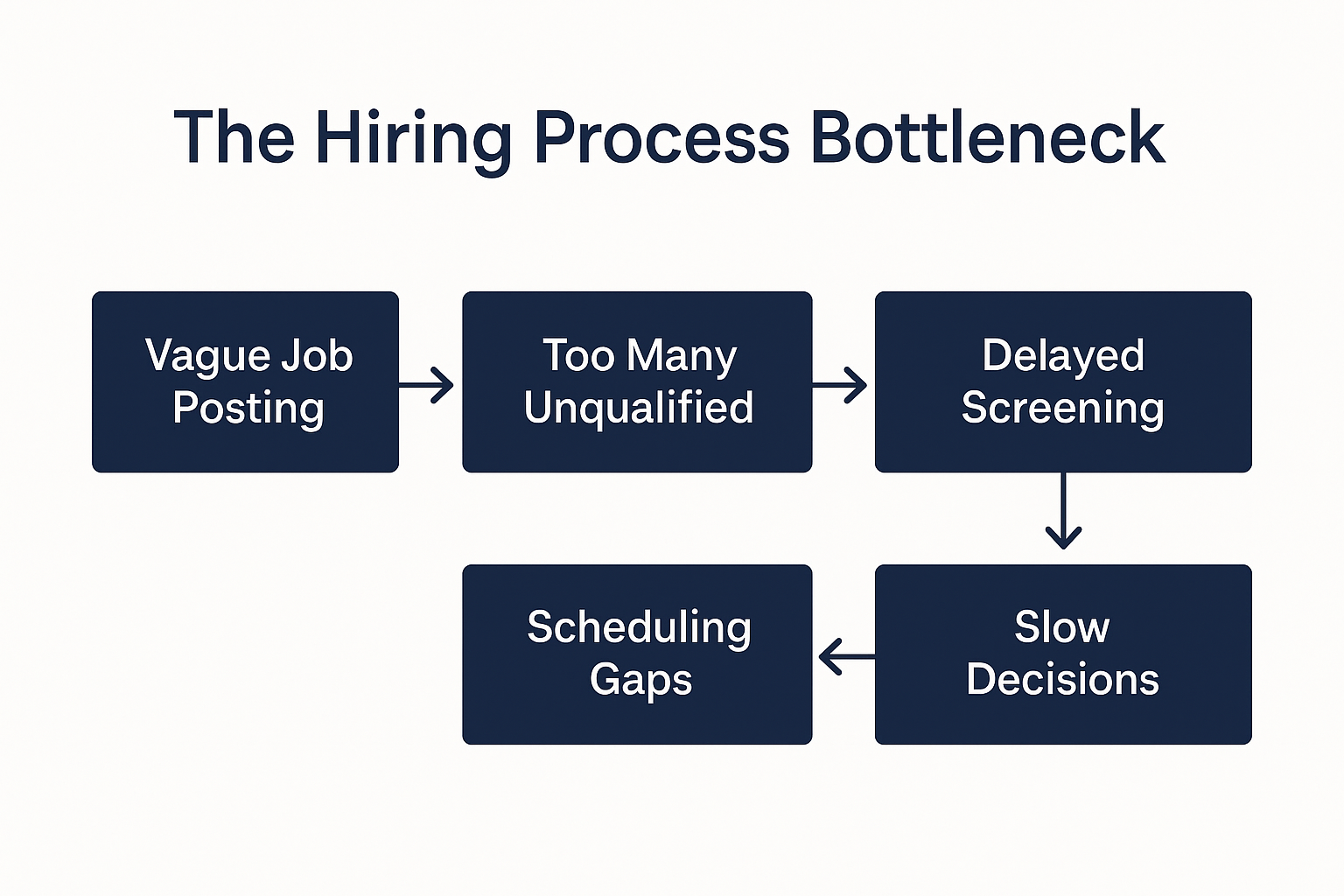
From inefficient screening to misaligned decision-makers, most delays in hiring are caused by outdated systems, unclear responsibilities, and too much guesswork. The good news? All of these are fixable.
The five strategies you’re about to learn will help you move with purpose and precision—so you can attract top talent, reduce your time-to-fill, and still hire with confidence.
These approaches aren’t theoretical. They’re already helping HR leaders, HR managers, and hiring managers streamline their recruiting process by automating specific tasks to reduce workload and improve efficiency—and they can do the same for your organization.
Let’s break them down.
Strategy 1: Craft Targeted Job Descriptions That Filter for Fit
The first step in speeding up your hiring process is getting the right applicants from the start. And that begins with the job description.
Vague, generic postings attract unqualified candidates and flood your inbox with irrelevant resumes. That leads to wasted time reviewing applications that were never a fit to begin with.
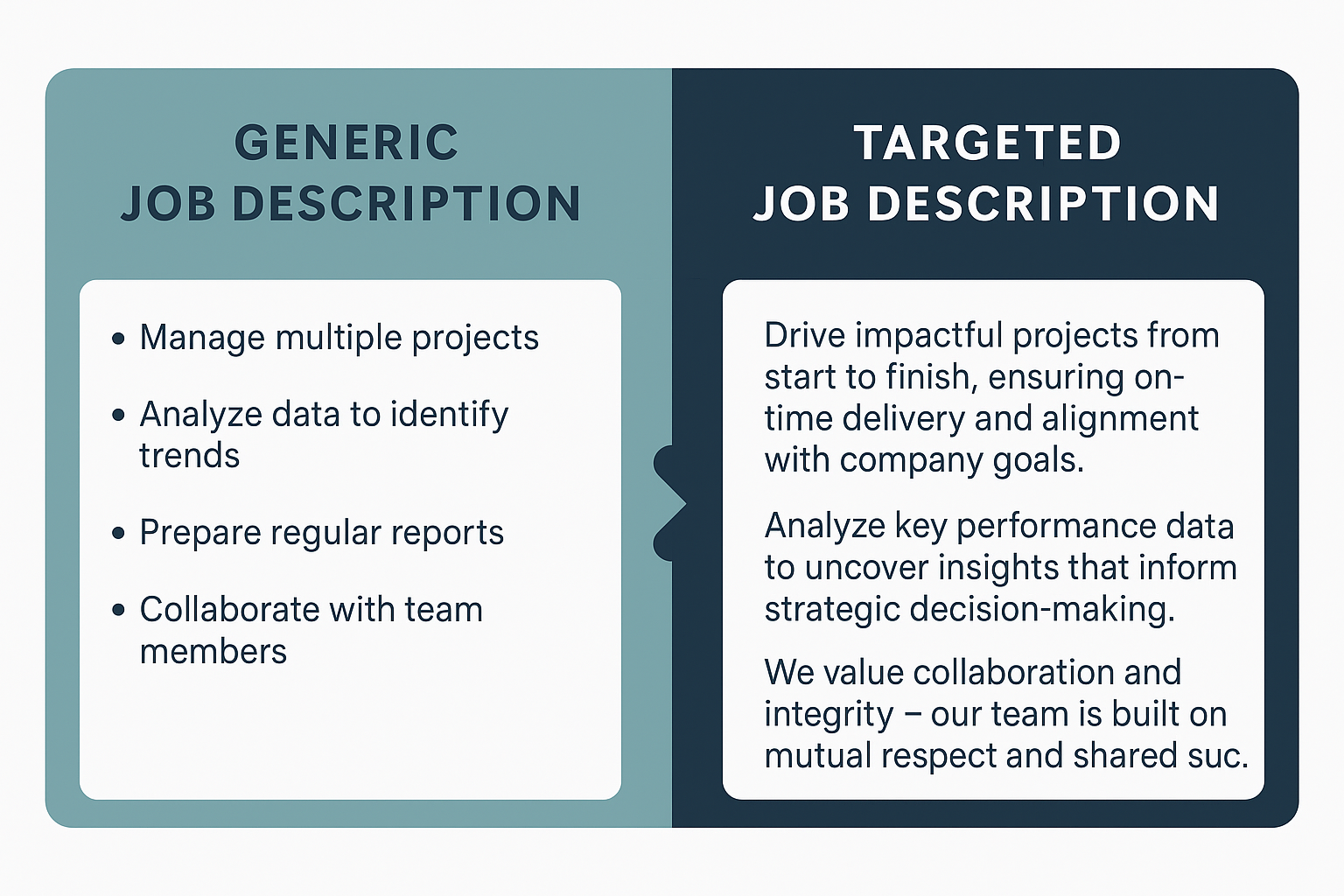
A targeted job description does more than just list responsibilities. It defines what success looks like in the role and speaks directly to high-quality candidates who align with your company’s goals and culture. Presenting job details and expectations clearly helps candidates understand if their skills and experience match the job responsibilities and qualifications, allowing them to self-select.
To write one:
- Use a clear, accurate job title that reflects the level and focus of the role.
- Start with a compelling opening that explains why the position matters.
- Detail core responsibilities and expected outcomes—not just daily tasks.
- Clearly list the specific job responsibilities and required qualifications, such as skills, experience, and education, to attract suitable candidates.
- Be upfront about challenges, growth opportunities, and team dynamics.
This approach helps job seekers self-select—reducing time spent filtering and allowing you to move forward with more qualified candidates, faster.
Strategy 2: Automate the Screening Process Early On
If your team is still manually reviewing every resume and scheduling every initial interview, you’re already falling behind.
The modern hiring process calls for smarter tools—ones that help you identify qualified candidates early, find candidates more efficiently, and move them through the application process efficiently. That’s where automation makes all the difference.
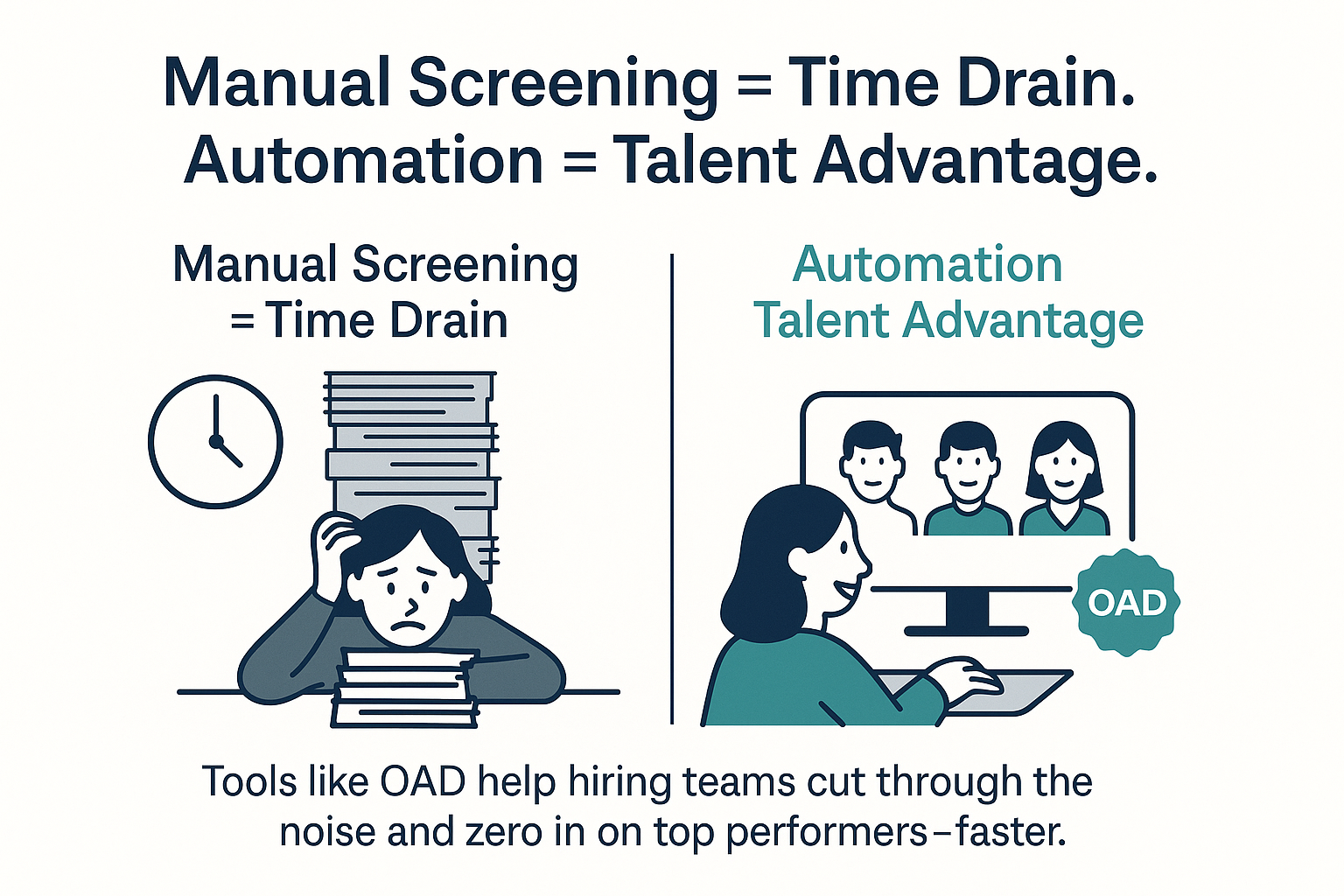
Start by using structured screening tools that assess both hard and soft skills. These can include:
- Online skills assessments tailored to the role’s core requirements
- Video interview platforms that evaluate communication and presence
- Pre-hire personality assessments like OAD to identify culture fit and alignment with team dynamics
- Actively sourcing candidates through recruiting agencies, personal networks, and online platforms to build a strong talent pool
Tools like these do more than save time—they reduce human bias, increase consistency, and help hiring managers focus only on top candidates.
With a streamlined, data-driven screening step, your hiring team spends less time reviewing applications and more time choosing the best candidates. These tools also help you identify the perfect candidate for your organization.
Strategy 3: Build a Talent Pipeline Before You Need It
One of the biggest mistakes in hiring? Starting the search when the role is already open.
If you wait until someone resigns—or worse, until workload hits a breaking point—you’re forced to scramble. That’s when rushed decisions and weak fits happen.
The better approach? Build and nurture a talent pipeline year-round.
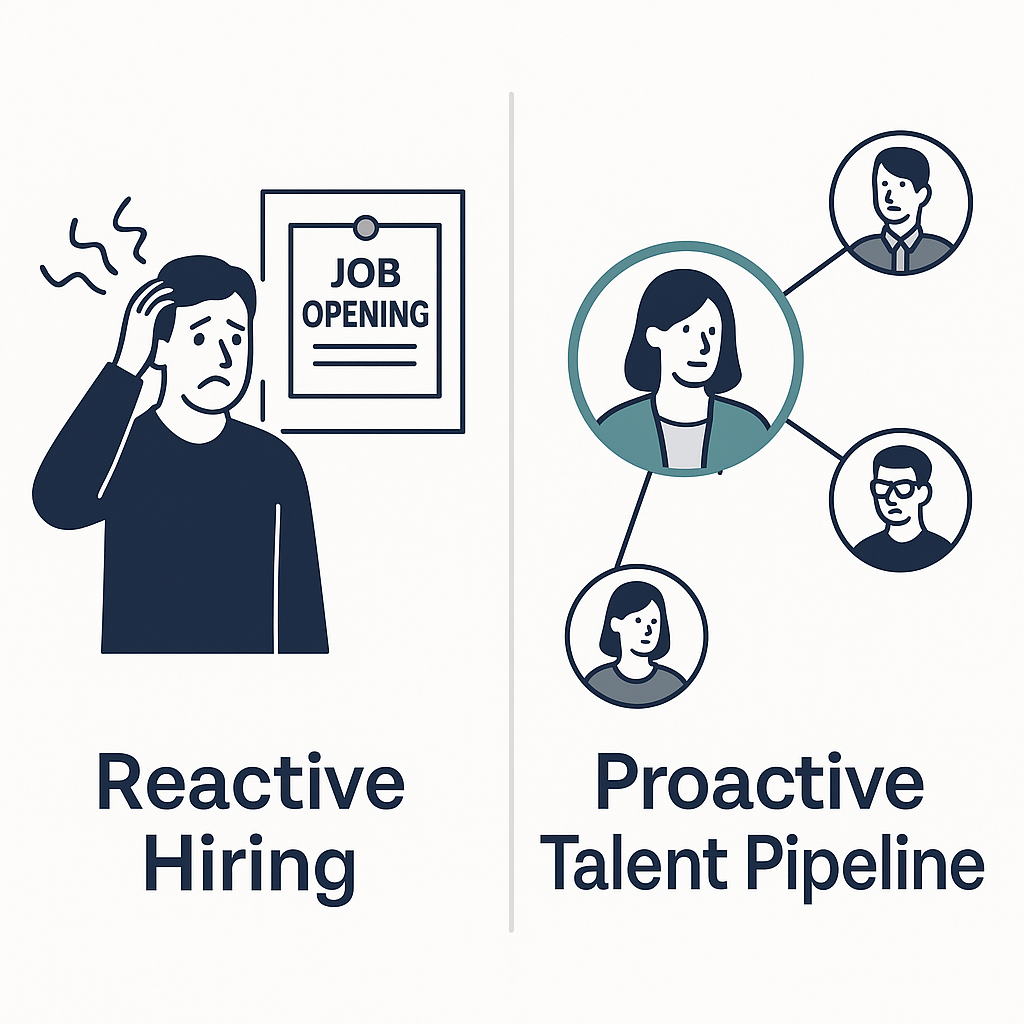
Start simple:
- Keep a running list of people you’ve met at job fairs, industry events, or via referrals. Employees who are hired through referrals often have better retention, higher job satisfaction, and are a stronger cultural fit.
- Stay active on job boards and LinkedIn—not just when you’re hiring, but consistently.
- Engage with potential candidates regularly through updates, content, or even short check-ins. Highlighting growth opportunities in your communication can attract ambitious job seekers who are looking for career advancement.
When you maintain a warm network of quality candidates, you reduce time-to-hire dramatically. You already know their strengths, interest, and potential fit.
And when the moment comes to fill a role? You’re not starting from zero. You’re simply following up with someone you already know is a strong contender. A strong talent pipeline also allows you to onboard new hires quickly and keep your business moving forward.
Strategy 4: Align Your Hiring Team for Faster Decision-Making
Even the most promising candidates can lose interest if your team drags its feet.
One of the biggest slowdowns in the hiring process happens internally—when the hiring team isn’t aligned, or when multiple decision-makers delay the next move. While each opinion matters, too much back-and-forth often leads to indecision and missed opportunities. Involving the hiring manager early in the process helps set clear timelines, ensures consistency in candidate evaluation, and streamlines decision-making.
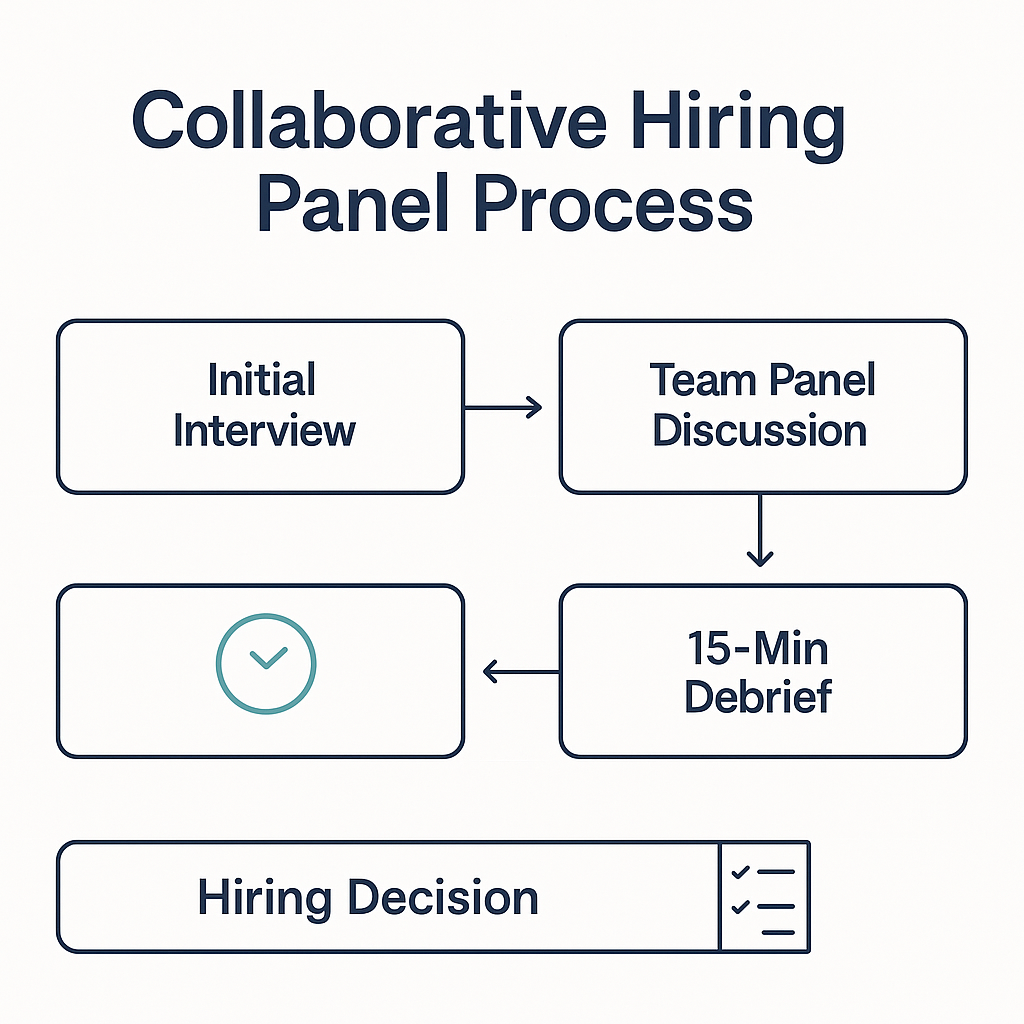
Instead of siloed interviews and delayed approvals, try:
- Running panel interviews where multiple stakeholders meet the candidate at once
- Blocking time immediately after to schedule a debrief
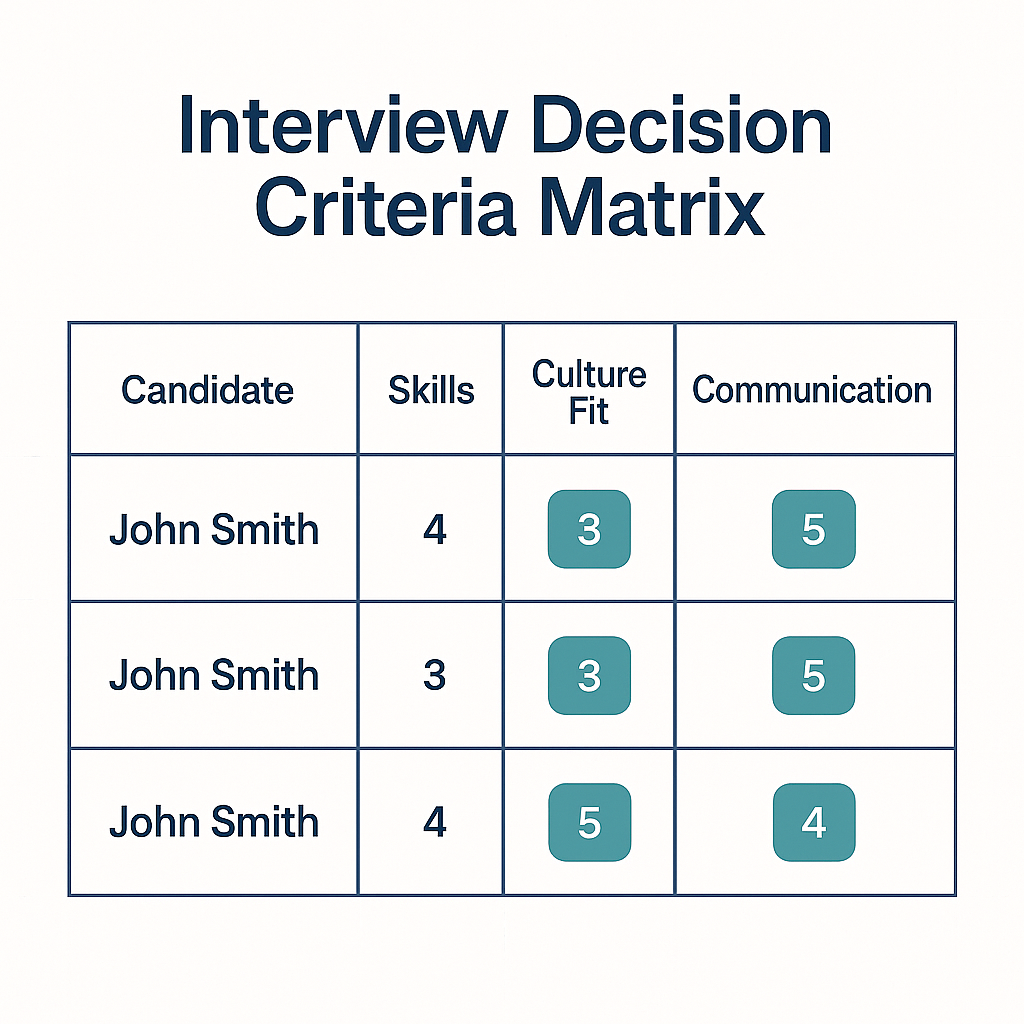
- Agreeing ahead of time on decision criteria (skills, culture fit, growth potential)
This keeps everyone on the same page—and helps you reach a confident decision faster, making it easier to select the right person who fits both the role and your company culture.
Candidates notice this too. A streamlined, respectful process signals professionalism and decisiveness—qualities the top candidates are looking for in an employer. By moving efficiently, you increase your chances of securing the right person before they accept another offer.
Strategy 5: Use Metrics to Continuously Improve
If you’re not tracking how your hiring process performs, you’re guessing—and that guesswork could be costing you your best candidates.
By looking at the right hiring metrics, you can pinpoint exactly where delays are happening and take targeted action to fix them. It turns your process from reactive to results-driven. To truly optimize your hiring cycle, it’s essential to follow up on feedback and data, using those insights to refine each stage and drive continuous improvement.
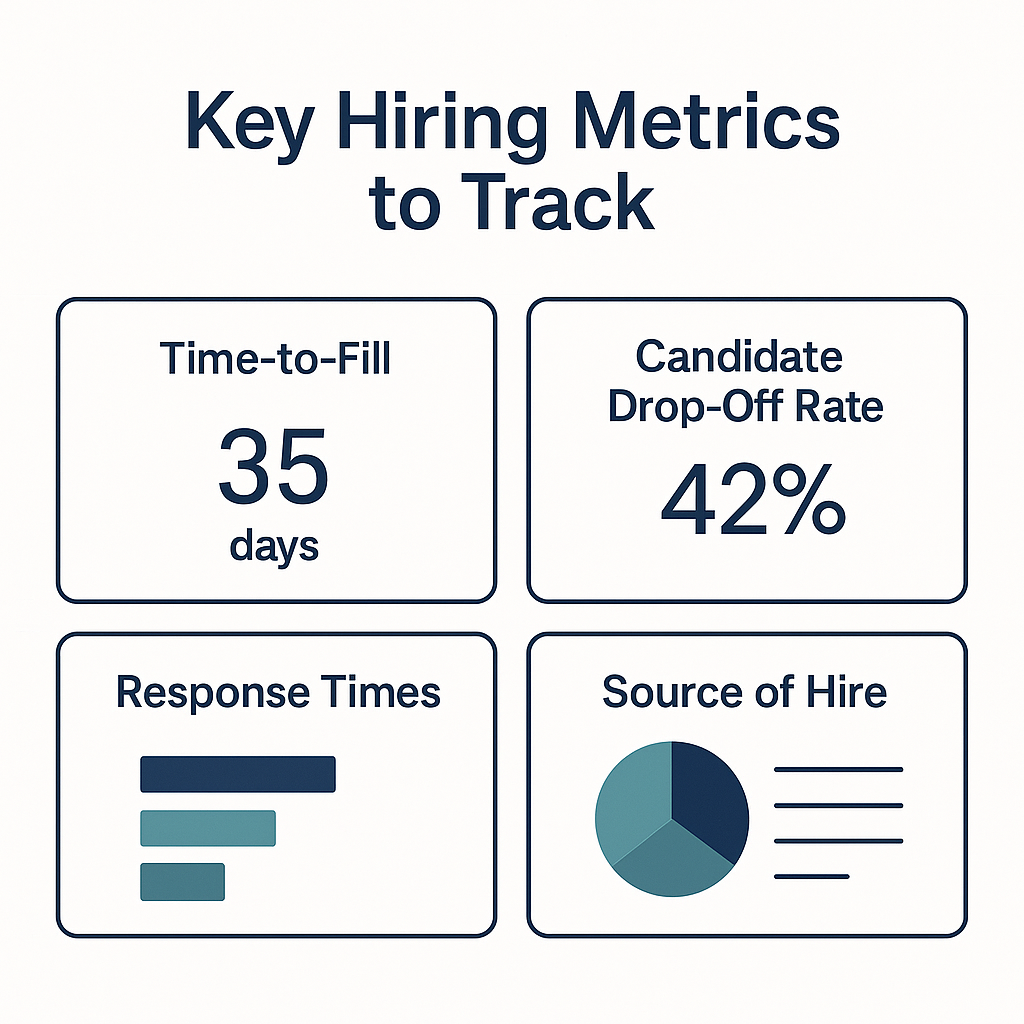
Start by tracking:
- Time-to-fill: How long does it take from job posting to signed job offer?
- Drop-off rates: Where do applicants abandon the process—application, screening, or interview stage?
- Candidate satisfaction: Are your processes clear, fast, and respectful?
From there, tools like OAD help you go deeper—using personality and behavior data to streamline evaluations and ensure your top choices are a strong culture fit from the start.
Over time, your team learns what works, what slows things down, and how to keep your recruiting process as efficient and competitive as possible.
Streamline the Application Process for Candidates
The best candidates won’t fight through a clunky application process—nor should they have to.
If your process is slow, outdated, or overly complicated, top talent will simply move on. And when that happens, you’re left sifting through a smaller pool of applicants who were willing to endure the friction—not necessarily the most qualified ones.
To attract serious, high-caliber job seekers, your application process should be fast, intuitive, and mobile-friendly. Make it easy to apply, clearly communicate expectations, and limit unnecessary steps that slow things down.
When candidates can apply quickly and feel confident they’re moving through a professional system, they’re more likely to stay engaged—and more excited about the opportunity to join your team.
1. Simplify Application Steps to Reduce Drop-Off
Every extra click or form field is a chance to lose a great candidate.
To keep job seekers moving forward, make your application process as clear and efficient as possible. That means cutting out unnecessary questions, only asking for what’s essential, and avoiding document overload. If you don’t need it to evaluate a candidate at this stage—leave it out.
Also, be explicit with instructions. When the steps are intuitive, candidates are more likely to complete them without hesitation.
The result? Less drop-off, faster applicant flow, and a better experience for everyone involved. It’s a small shift that signals something big: you respect their time—and you’re serious about hiring the right person.
2. Leverage Technology for Seamless Submissions
The right tools can turn a clunky application process into a competitive advantage.
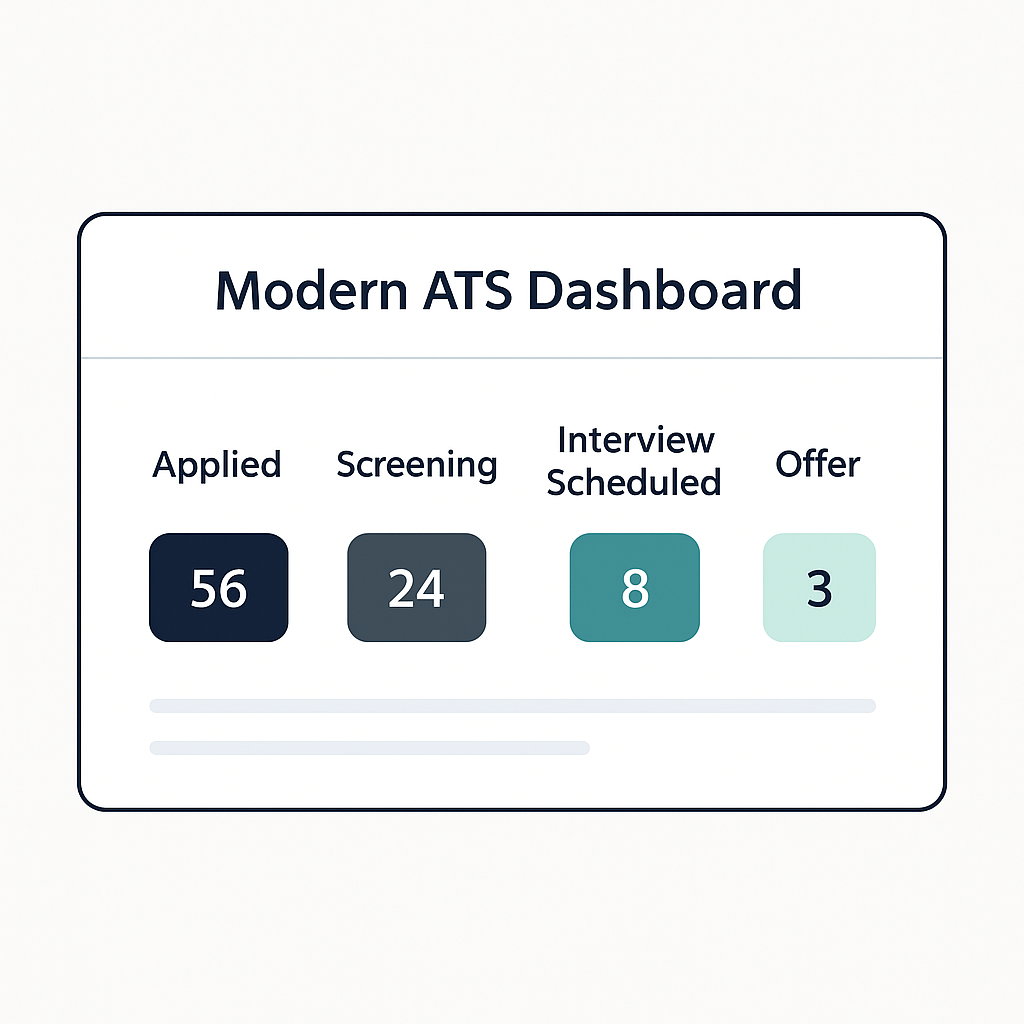
Using an applicant tracking system (ATS) helps you automate the repetitive steps—like resume sorting, interview scheduling, and status updates—so your team can focus on evaluating the best candidates. It also keeps job seekers in the loop, improving transparency and candidate satisfaction.
Don’t stop at your own website. Post to relevant job boards, share openings on social media, and make it easy to apply from any device. The easier you make it for people to find and engage with your job postings, the more qualified candidates you’ll attract.
Technology doesn’t replace good hiring—it amplifies it. And in a tight market, that speed and reach can make all the difference.
3. Ensure Mobile-Friendly and Accessible Applications
Today’s candidates apply from wherever they are—often from the palm of their hand.
If your application process isn’t mobile-optimized, you’re creating unnecessary barriers that can push great job seekers away. Your career site, job postings, and forms should work seamlessly across all devices—allowing users to complete fields, upload documents, and hit submit without frustration.
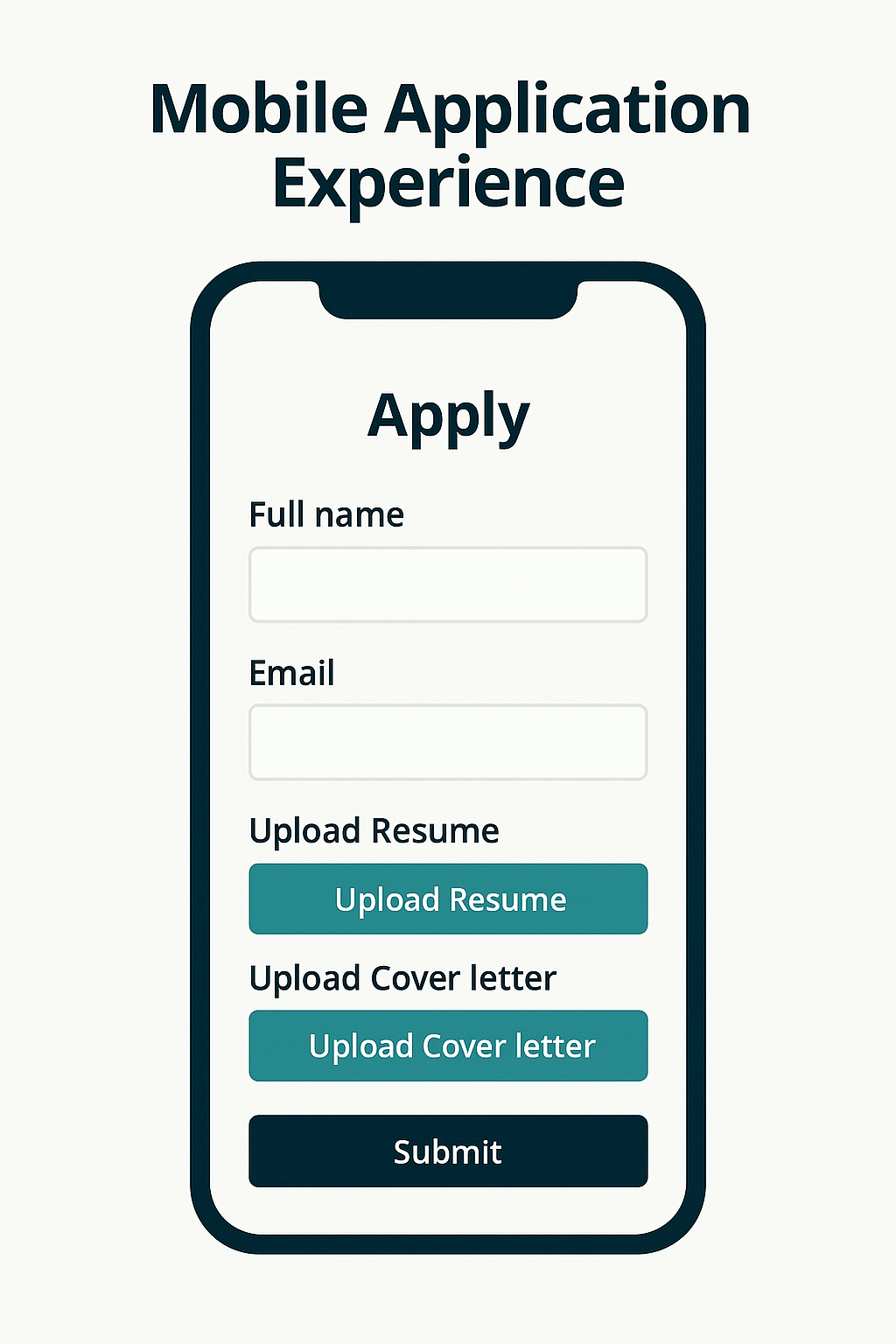
But mobile usability is just the start. A truly inclusive process also ensures accessibility for candidates with disabilities—whether that’s screen-reader compatibility, clear contrast, or navigable form layouts.
Making your application process easy to use anytime, anywhere doesn’t just improve candidate satisfaction—it expands your reach to more qualified applicants and helps you fill roles faster.
Optimize Your Interview Workflow
Even when you’ve attracted great applicants and nailed the screening process, interviews can become a major bottleneck. Conducting effective interviewing is crucial to avoid losing your top candidates to faster-moving competitors.
Too many back-to-back interviews, unclear evaluation criteria, or slow scheduling practices can derail even the most promising hiring cycles. Worse, top candidates often have multiple job offers on the table—so if your interview process drags on, you risk losing your top candidate to another company with a more streamlined interview process.
To streamline this phase, focus on three areas:
1. Structure Your Interviews for Speed and Clarity
Using a structured format—where each interviewer focuses on specific core skills or role requirements—helps reduce overlap and speeds up feedback.
Tip: Build a simple scorecard that aligns with the job’s top priorities. This makes it easy to compare apples to apples when evaluating candidates.
2. Schedule Interviews Proactively
Batch interview times in advance—even before your top candidates are selected. Tools like Calendly or GoodTime let applicants pick from pre-set blocks, cutting out the email back-and-forth that slows things down.
Keywords hit: schedule interviews, interview process, top candidates, initial interview, process faster
3. Limit the Number of Rounds
Every additional round risks losing talent. One or two well-run interviews are often enough if you’re clear on what you’re evaluating.
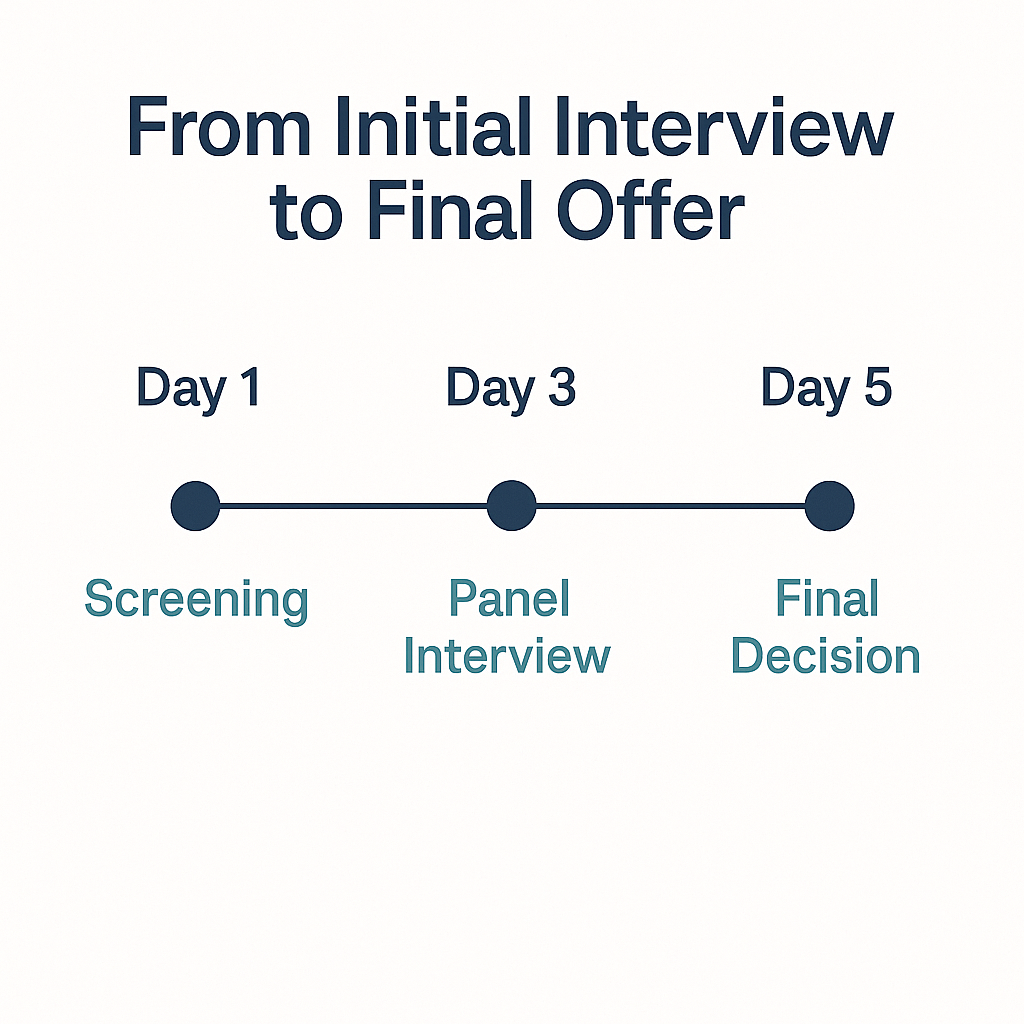
If your hiring team needs consensus, consider a panel interview with a short debrief afterward. You’ll get all the input you need—without stretching the process over weeks.
Keep Job Seekers Informed Every Step of the Way
Hiring isn’t just a test for the candidate—it’s a reflection of your company.
And in a competitive job market, communication can make or break a great hire. Candidates want to know where they stand. Silence—or long gaps between updates—signals disorganization and a lack of respect for their time.
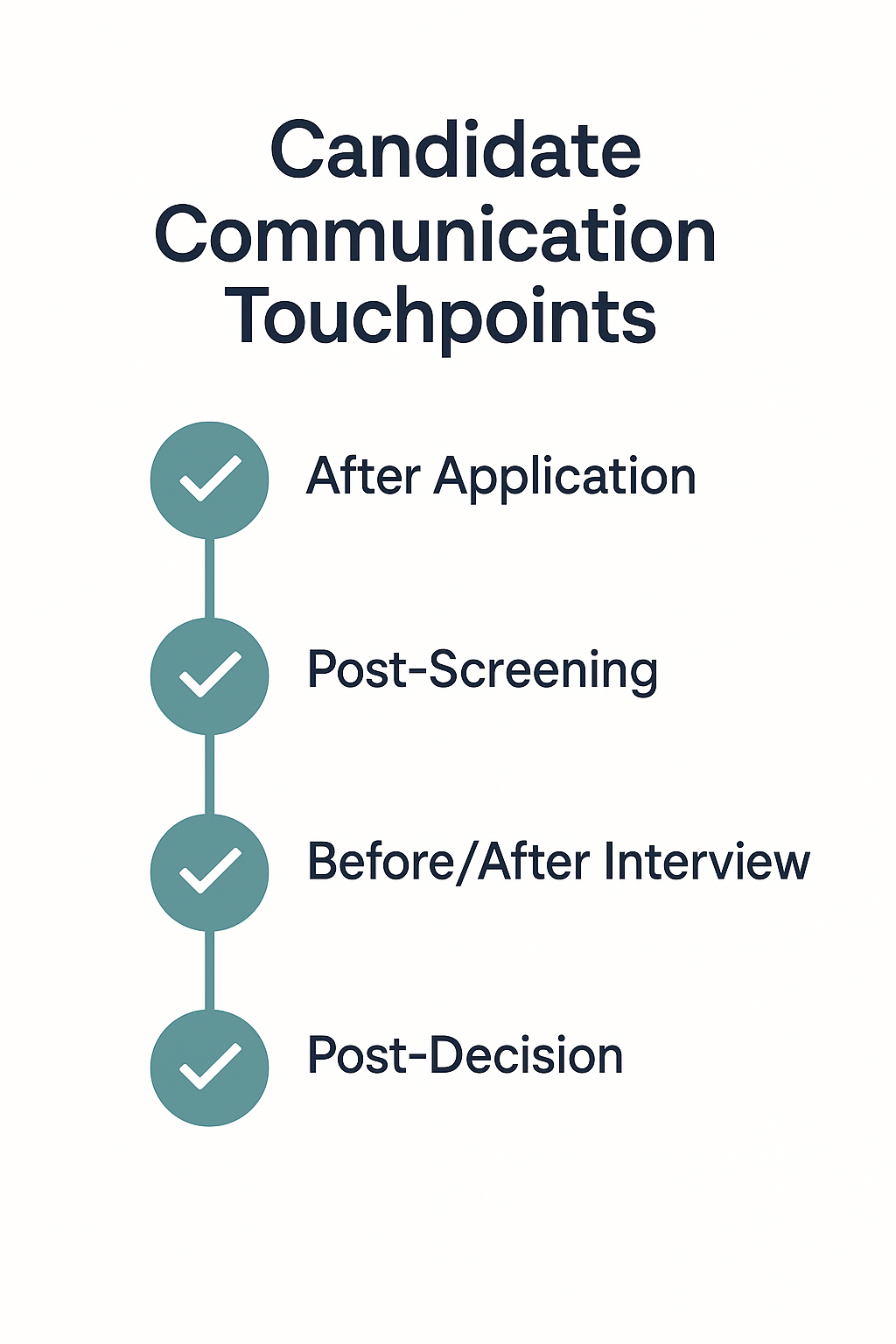
Here’s how to keep top talent engaged through the whole process:
1. Acknowledge Every Application
Even a simple automated response helps job seekers feel seen. Use it as an opportunity to outline next steps and set expectations for response times.
2. Provide Status Updates Promptly
After interviews or assessments, don’t leave candidates wondering. A short email with a realistic timeline for the next steps builds trust—and keeps you top of mind.
3. Deliver Feedback, Even When It’s a No
For candidates who make it far in the process, a thoughtful rejection note goes a long way. It’s also an opportunity to preserve goodwill for future roles.
When you keep candidates informed, you improve candidate satisfaction and stand out as an employer who truly values people—not just productivity.
And in many cases, strong candidates who didn’t get the job today might be your perfect hire tomorrow—if they had a positive experience.
The Future of Hiring Is Fast, Smart, and Data-Driven
In a market where talent moves fast, your hiring process can’t afford to stand still.
By applying the five strategies in this article—from writing targeted job descriptions to aligning your hiring team and using real-time metrics—you’ll not only speed up your hiring process, but also improve the quality of every hire.
This isn’t about working harder. It’s about working smarter—with systems, tools, and data that reduce friction and deliver results.
Every day you wait is a day your competitors might make an offer to the candidate you wanted.
Test OAD
Discover how OAD helps you make faster, more confident hiring decisions—with scientifically validated assessments that uncover personality fit, team compatibility, and role alignment from day one.
Whether you’re filling one role or building a high-performing team, OAD gives you the clarity to move forward—without second-guessing.
Start with the Top Performer Profile and see how smart hiring gets done.